
Figures obtained through a freedom of information request reveal that the pilot program, which involved 18 deployments across major transport hubs, cost £320,786 in equipment hire and police staffing. The operations consumed nearly 100 hours of police officers’ time. While the BTP noted that officers made several arrests during the periods when LFR cameras were active—including for assault, theft, and breaches of court orders—the force clarified that these arrests did not result directly from facial recognition alerts. Consequently, they were not included in the system’s performance metrics.
The technology works by capturing images of individuals passing through a camera’s field of view and comparing them against a predetermined police watchlist. Under the rules established in the Home Office’s recent consultation on biometric technologies, images that do not generate a match are deleted immediately. A potential match triggers a review by a police officer, who decides whether to engage with the individual. In this trial, the sole alert generated during the railway station phase was dismissed as a false positive.
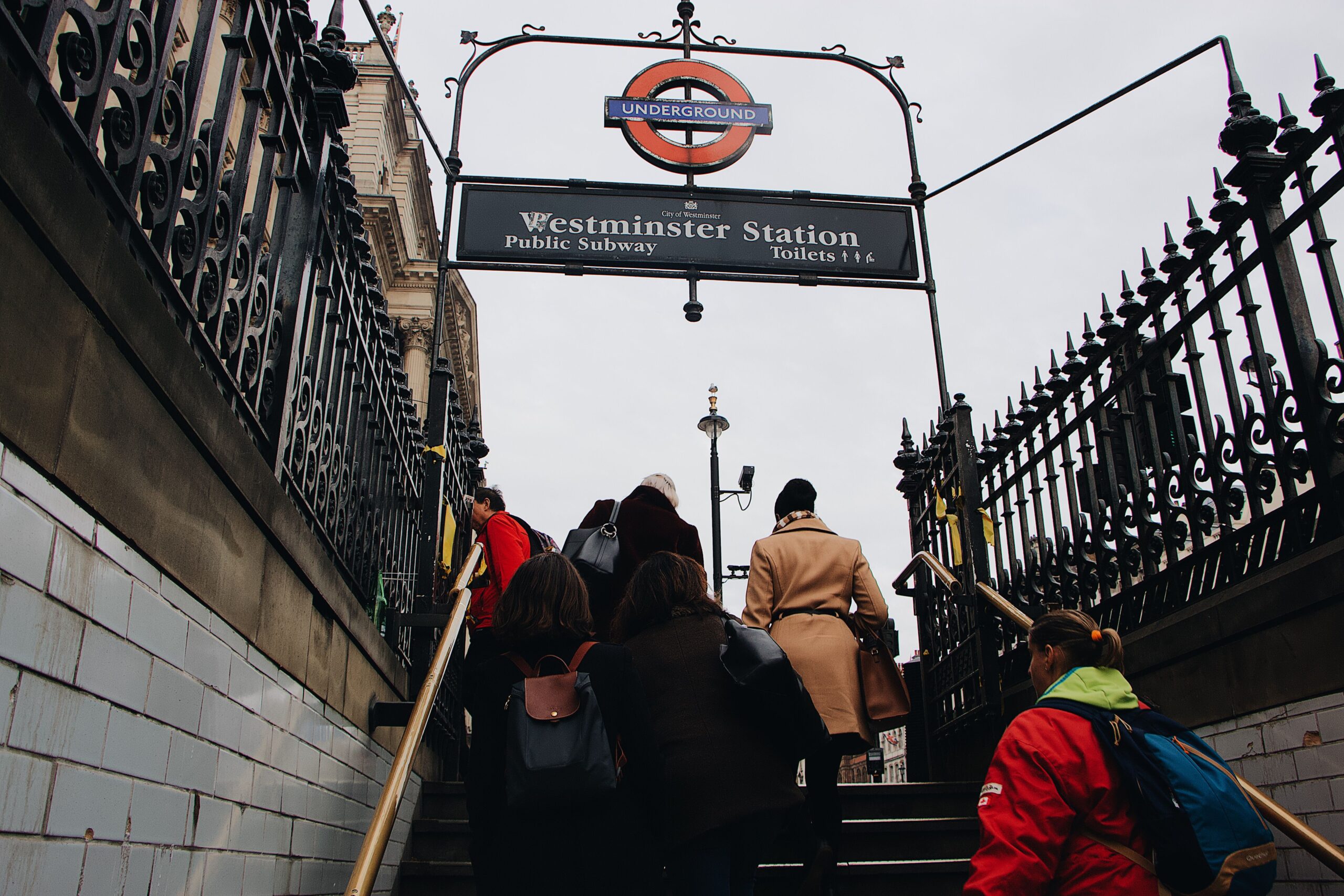
Despite the lack of direct arrests, the BTP has extended the trial until November and expanded its scope to include selected London Underground stations. The first deployment on the Tube network is scheduled for Victoria station. Transport for London (TfL) stated that the expansion is intelligence-led, aiming to identify “high harm” offenders, such as those wanted for sexual offences, robbery, and knife crime. TfL emphasized that the technology is intended to target individuals on police watchlists at key stations chosen for maximum impact, specifically addressing violence against women and girls.
Siwan Hayward, director of security, policing and enforcement at TfL, described the trial as an important step in understanding how the technology can be used on the Underground network in a targeted and proportionate way. She noted that LFR has the potential to act as a powerful additional tool for early intervention, helping to stop incidents before they occur. The force has stated that three positive, confirmed alerts have been generated since the extension, identifying individuals who were subsequently confirmed to be complying with sexual harm prevention orders or other court conditions.
However, the trial has drawn sharp criticism from privacy advocates and legal experts. Bell Ribeiro-Addy, the Labour MP for Clapham and Brixton Hill, described live facial recognition as a “serious invasion of our privacy” and called for the government to suspend its rollout until stronger safeguards and a proper legal framework are in place. A recent report from parliament’s joint committee on human rights identified the rollout of LFR as a “particularly clear example of risk,” urging the government to introduce legislation addressing the threat of artificial intelligence to human rights.
Fraser Sampson, a former biometrics and surveillance camera commissioner for the UK, raised concerns about the proportionality of the technology’s use. He noted that while the technology may be effective in specific commercial contexts, such as deterring shoplifting, its application in public transport networks presents different variables, including the choice of location, times of day, and the composition of the watchlist. Sampson emphasized that the police must demonstrate that any deployment meets the criteria of being appropriate, proportionate, and necessary, with oversight boards holding them firmly to account.
The expansion of the trial to the Tube network marks a significant shift in the deployment of biometric surveillance in public spaces. While the BTP asserts that the technology is used to catch offenders and those breaching court orders, the initial results from the railway stations suggest a high cost-to-benefit ratio regarding direct enforcement outcomes. More than half of police forces in England and Wales have now deployed LFR on British streets, and the Metropolitan Police has announced plans to install fixed LFR cameras in the capital’s West End, including the newly pedestrianised Oxford Street. As the trial continues, questions remain regarding the long-term efficacy of the system in complex public environments and the adequacy of current legal safeguards for passenger privacy.