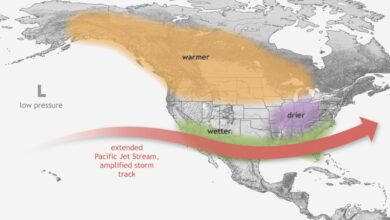

Beyond the specific damage caused by Polo, the storm is part of a broader and more intense seasonal pattern. This year’s season is shaping up to be significantly more severe than usual, driven by the presence of a “Super El Niño.” El Niño is a recurring climate pattern characterized by the warming of sea surface temperatures in the central and eastern Pacific Ocean. However, the current manifestation is an extreme version of this phenomenon, often referred to in scientific and meteorological contexts as a Super El Niño. This intensified state acts as a catalyst for more powerful storm formation and development, altering the typical trajectory and strength of hurricanes that form in the region.
The environmental significance of this development extends far beyond a single storm event. The Super El Niño is wreaking devastation across the Americas and the Pacific rim through a dual mechanism of extreme weather events. On one hand, it fuels the intensity and frequency of hurricanes like Polo, leading to coastal erosion, storm surges, and inland flooding. On the other hand, it shifts atmospheric circulation patterns, often resulting in historic droughts in regions that rely on consistent rainfall for agriculture and water security. This dichotomy highlights the complex and often contradictory impacts of a warming climate, where one region faces catastrophic deluge while another suffers from severe aridity.
For the communities in Mexico facing the aftermath of Hurricane Polo, the immediate concern is recovery and resilience. The loss of power compromises essential services, including medical care, communication, and food preservation. Floodwaters pose risks of contamination to drinking water sources and can undermine the structural integrity of homes and public infrastructure. The scale of the damage is directly linked to the storm’s Category 3 status, which implies sustained winds capable of causing extensive damage to roofs, windows, and utility poles, alongside the heavy rainfall that overwhelms drainage systems.
Broader Climatic Context
The connection between the Super El Niño and the heightened severity of the hurricane season is a key area of focus for meteorologists and climate scientists. El Niño events typically weaken the trade winds, allowing warm water to pool and create more favorable conditions for tropical cyclones to strengthen. When the phenomenon reaches “Super” status, the energy available for storm formation is substantially higher than during neutral or La Niña conditions. This results in a season that not only sees more named storms but also a higher proportion of those storms reaching major hurricane status (Category 3 or above).
The devastation described in recent reports is not limited to wind and rain. The term “wreaking devastation” in the context of this season encompasses a range of environmental stresses. Historic droughts, another hallmark of strong El Niño events, have strained agricultural sectors and water reserves in parts of North and South America. These droughts can precede or follow periods of intense rainfall, creating a volatile environment where ecosystems and human systems are subjected to rapid and extreme shifts in moisture availability. This volatility makes long-term planning for water management and agriculture increasingly difficult for governments and communities.
As the Pacific hurricane season continues, the focus remains on monitoring the residual effects of Hurricane Polo and the potential for subsequent systems to form under the influence of the Super El Niño. The current conditions suggest that the pattern of severe weather will persist, with a high likelihood of further extreme events. For coastal communities, the message is one of heightened vigilance. The infrastructure damage and flooding caused by Polo are a preview of the challenges that may accompany future storms in this unusually active season.
The interplay between the Super El Niño and the resulting climate extremes underscores the need for robust adaptation strategies. Communities must prepare for a spectrum of hazards, from the immediate threats of wind and flood to the longer-term impacts of altered precipitation patterns. As the season progresses, the data collected from storms like Polo will provide valuable insights into how the Super El Niño is modifying hurricane behavior, offering crucial information for improving forecasting models and disaster response protocols in the years to come.