

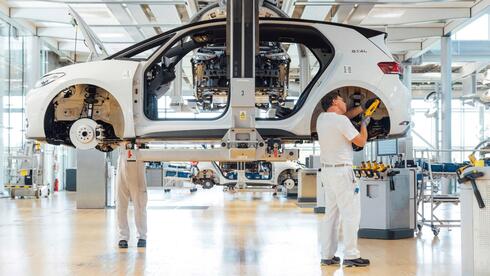
The proposed cost-cutting initiative is a direct response to deteriorating economic conditions within the German auto sector. The group faces a combination of falling profits, higher energy costs, weaker consumer demand, and intensifying competition from Chinese car brands. Additionally, the company is navigating the impact of U.S. import tariffs, which have further squeezed margins and investment capabilities. Management argues that the entire group, including its various brands and subsidiaries, must undergo profound change to remain viable in the current market landscape.
The plan has already sparked significant internal and political opposition. German labor unions are preparing to protest the potential mass layoffs, with workers accusing management of obscuring the full scale of the crisis. Unions argue that leadership is hiding the severity of the financial situation while weighing deeper cuts. German lawmakers have also voiced staunch opposition to the proposed factory closures, highlighting the social and economic risks to key industrial regions. This tension has set the stage for what is being described as a high-stakes boardroom showdown, with the supervisory board required to sign off on the restructuring exercise.
Volkswagen’s complex governance structure adds another layer of difficulty to the implementation of these plans. Analysts note that the company’s board structure means management will face a bumpy road in securing consensus. A Volkswagen spokesperson declined to comment on the specific details of the layoffs and plant closures ahead of the July 9 meeting, stating that decisions would be taken and approved by the relevant governing bodies. However, the company confirmed its commitment to change, with a spokesperson stating, “The entire Group—including its brands and subsidiaries—must undergo profound change.”
The automaker previously launched a major product offensive and outlined plans for sweeping job cuts to counter external pressures. The current proposal expands on these efforts, targeting both workforce reduction and capacity consolidation. The four factories under consideration for closure are located in Germany, where Volkswagen has historically been a dominant employer. The potential loss of 100,000 jobs would not only impact the company’s direct workforce but also ripple through the broader supply chain and regional economies dependent on automotive manufacturing.
Market observers indicate that the scale of the restructuring reflects the severity of the challenges facing the European auto industry. The competition from Chinese manufacturers, which offer competitive electric vehicles at lower price points, has eroded Volkswagen’s traditional market share. Simultaneously, higher energy costs have increased production expenses, while consumer demand for new vehicles has softened. The combination of these factors has squeezed profit margins, leaving the company with limited options for maintaining its current operational footprint.
The July 9 meeting is expected to be the most anticipated corporate event in German industry this year. The outcome will determine whether Volkswagen proceeds with the most aggressive cost-cutting measures in its history or seeks alternative strategies to stabilize its financial position. Unions are likely to escalate their opposition if the board approves the 100,000 job cuts, potentially leading to further industrial action. The decision will also serve as a critical indicator of the resilience of the German automotive sector in the face of global competitive pressures and structural economic shifts.
Volkswagen has not provided a detailed timeline for the implementation of the proposed cuts or the specific factories targeted for closure. The company has emphasized that all decisions are subject to the approval of its governing bodies. The coming weeks will be crucial for stakeholders, including investors, employees, and policymakers, as the company navigates this pivotal moment in its corporate history.
