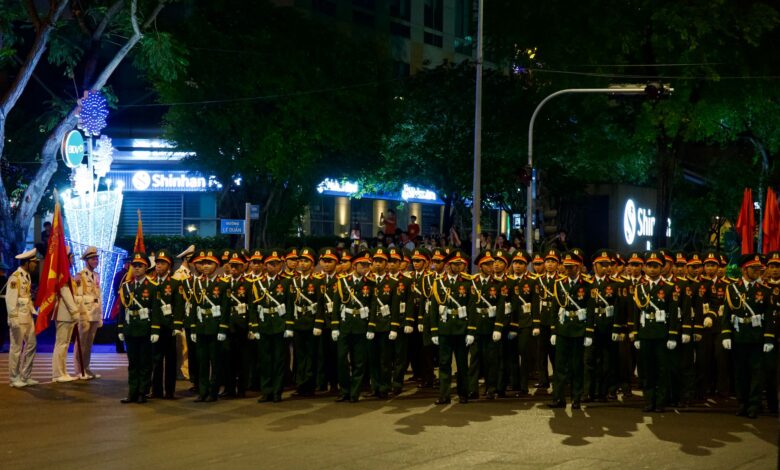
The timing of the parades serves as a symbolic assertion of Iraq’s independence and control over its own territory. By aligning the national celebration with the departure of American forces, Iraqi officials emphasized the completion of a long-standing political objective: the end of the formal US military presence that followed the 2003 invasion.
US troops have been present in Iraq since 2003 to combat insurgencies and, later, to fight the Islamic State (ISIS). The current withdrawal represents the culmination of negotiations and agreements between Washington and Baghdad. The departure of US forces marks a definitive end to the era of direct American military command in the region, transitioning security responsibilities entirely to Iraqi institutions.
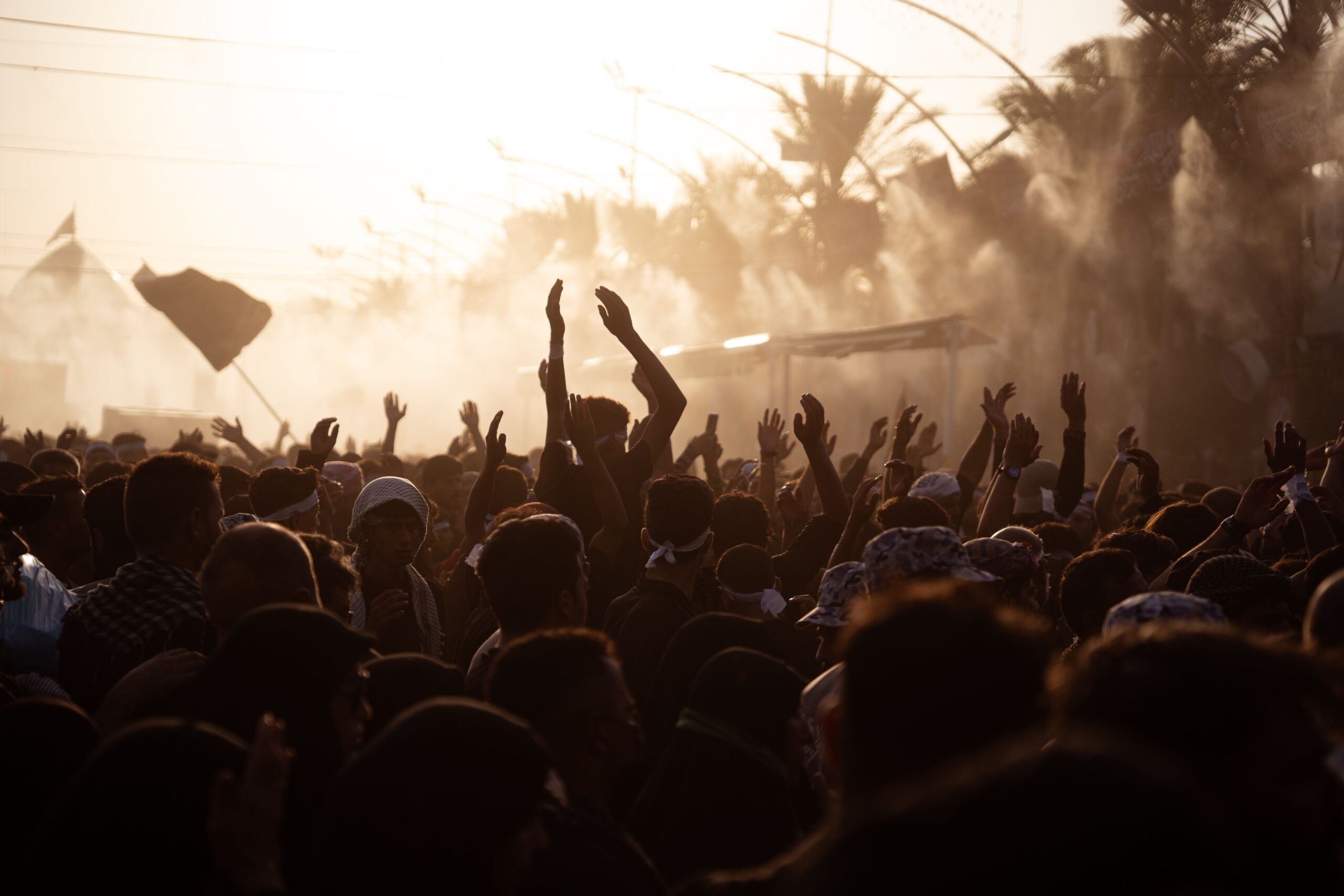
The parades in Baghdad and Najaf featured displays of Iraqi military hardware and personnel. These events are traditionally used to showcase the strength and readiness of the nation’s armed forces. In this context, they serve to reassure the domestic public that Iraq is capable of maintaining internal security and border integrity without external military support. The inclusion of Najaf, a major Shia holy site, adds a layer of political and religious significance to the display of national unity.
The withdrawal of US forces has raised questions about the future of security cooperation between the two countries. While the formal military presence is ending, diplomatic and logistical ties are expected to continue. The Iraqi government has stated its intention to maintain its sovereignty while engaging in strategic partnerships with international allies. The transition period requires careful management to ensure that security gains against ISIS are not undermined by the reduction of foreign military assets.
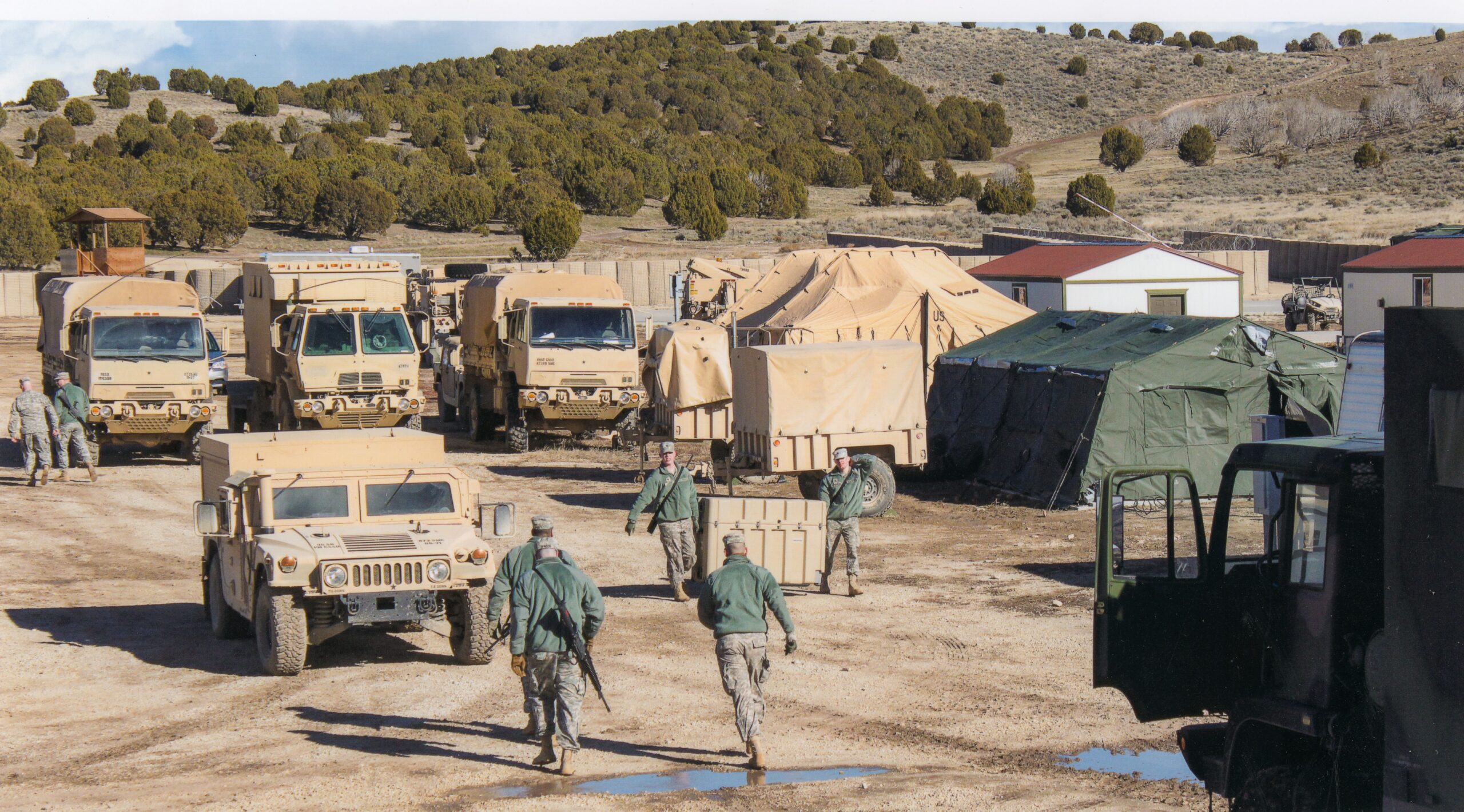
Regional observers note that the departure of US troops could have broader implications for the Middle East’s geopolitical balance. Iraq’s ability to manage its own security without external military intervention will be a key indicator of the stability of the post-withdrawal period. The successful execution of the parades and the orderly withdrawal process suggest a structured transition, though challenges remain in addressing internal security threats and political fragmentation.
The next phase will focus on Iraq’s ability to sustain its security forces and manage regional tensions independently. The outcome of this transition will likely influence the future of US engagement in the Middle East and the broader strategy for combating extremism in the region.