The extension of border controls comes against a backdrop of evolving diplomatic and economic pressures. While the interior ministers debated the mechanics of deportation and benefits, broader state-level initiatives were underway to reinforce Germany’s economic resilience. On the same day, the German electricity grid operator 50Hertz awarded a significant contract to connect offshore wind farms in the North Sea to the national network. The project, designated “North Sea Connector 2,” involves a partnership between Siemens Energy and offshore wind infrastructure manufacturer Neptun Smulders Offshore Renewables (NSORe).
The “North Sea Connector 2” project is a substantial infrastructure undertaking designed to enhance energy sovereignty. It includes an offshore platform, to be built by NSORe and outfitted with transmission technology by Siemens Energy, as well as an onshore station located in northern Germany. The system is designed to convert power generated by offshore wind farms on the platform and feed it into the German grid via undersea cables. The project has a capacity to handle up to 2 gigawatts of power, an output equivalent to the electricity needs of approximately 2 million households.
Officials framed the energy investment as a strategic response to external instability. Economy Minister Katherina Reiche welcomed the deal, explicitly linking it to the current geopolitical environment. “Against the backdrop of a changed geopolitical environment and growing trade conflicts, it has become clear how important resilient supply chains and technological sovereignty are,” she stated. This sentiment underscores a shift in policy priorities, where energy independence is viewed not merely as an environmental goal but as a critical component of national security and economic stability.
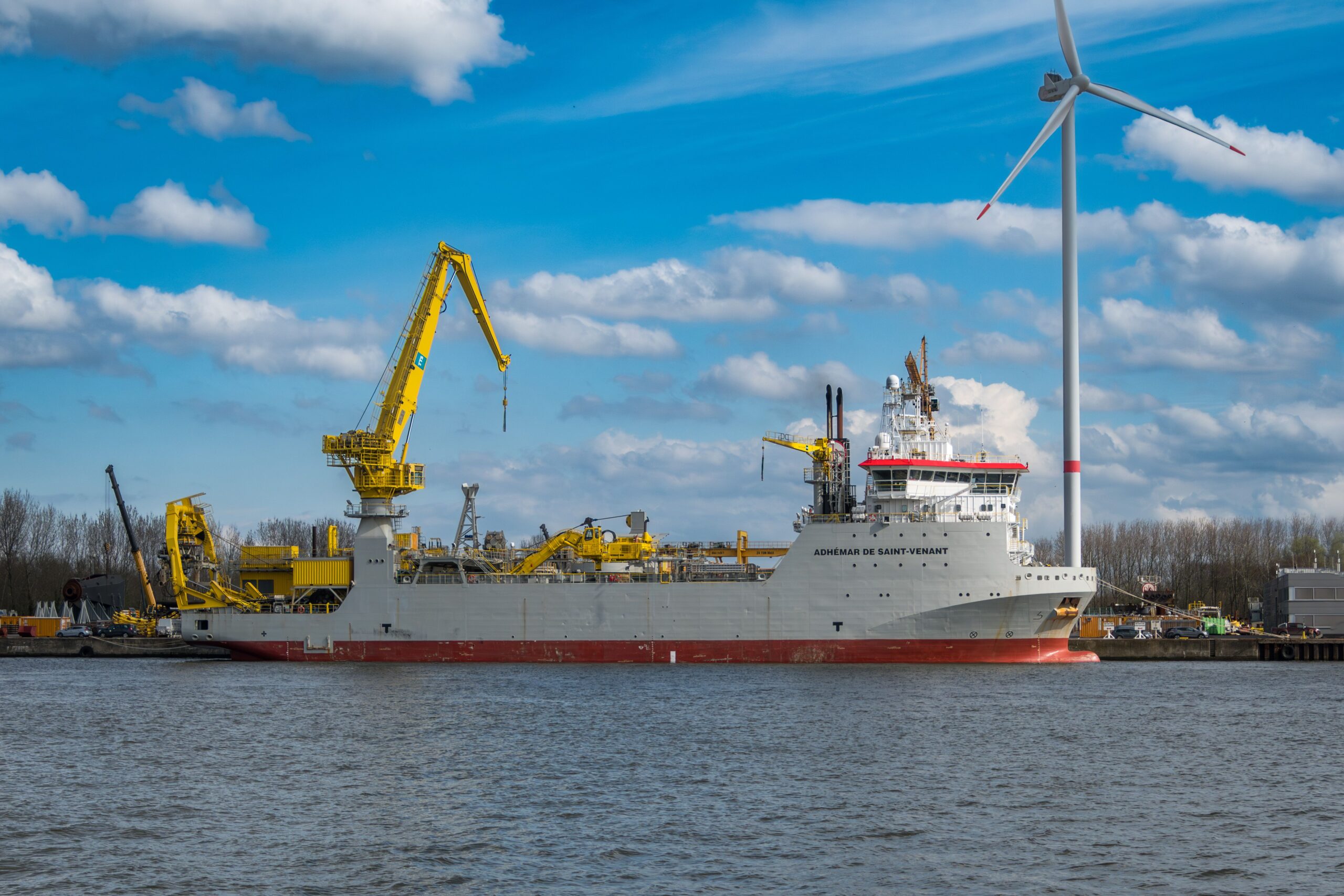
The domestic industrial impact of the project is significant. Siemens Energy confirmed that most of its work, including the production of key electrical equipment, will be carried out within Germany. Specifically, transformers and converters will be produced in Nuremberg, while switchgear will be supplied from Berlin. NSORe indicated that the offshore platform would primarily be constructed at a shipyard near the northern German city of Rostock. Together, the companies estimate the project will create approximately 500 jobs in the northern German state of Mecklenburg-Western Pomerania.
State Premier Manuela Schwesig of Mecklenburg-Western Pomerania highlighted the regional benefits, describing the projects as standards for industrial value creation and future technologies. “The two concrete large-scale projects stand for industrial value creation, good jobs, and future technologies,” Schwesig said. “They strengthen our state as a major shipbuilding and industrial hub and demonstrate that Mecklenburg-Western Pomerania plays an important role in the energy transition.”
Financial details of the contract reflect the scale of the investment. Negotiations are currently underway regarding a second, identical project. If this second phase materializes, the contract value for NSORe alone would amount to approximately €2.5 billion ($2.9 billion). This potential expansion signals a sustained commitment to building out the infrastructure necessary to support renewable energy generation at scale.
The simultaneous focus on border security and energy infrastructure illustrates the dual strategy of the German government. While regional ministers work to enforce stricter immigration and deportation protocols, the federal government is accelerating the development of domestic energy assets to reduce reliance on foreign suppliers and fossil fuels. The convergence of these efforts suggests a comprehensive approach to national resilience, addressing both social governance and economic self-sufficiency in a period of heightened international uncertainty.
As the conference concludes, the immediate focus shifts to the implementation of the extended border controls and the commencement of construction for the North Sea Connector. The next phase will likely involve monitoring the progress of the undersea cable installation and the finalization of the second project phase, which could significantly amplify the economic and energy benefits for the northern German region.