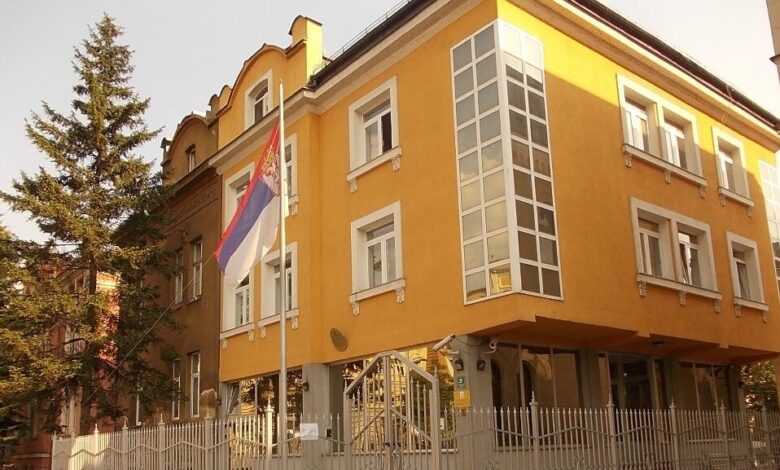
The decision has drawn sharp condemnation from both the Serbian government and political leaders in Bosnia’s Republika Srpska entity. The Serbian Foreign Ministry described the expulsion as “yet another unconstructive move” that undermines good-neighbourly relations and regional stability. In a statement, the ministry accused Konakovic of resorting to escalation, using “extremely difficult and painful issues from our shared past as an instrument of day-to-day politics and an election campaign.” Belgrade stated it would examine all legal and political aspects of the decision, including jurisdiction and the procedures used to adopt it, while assessing the consequences for bilateral diplomatic relations.
The legality of the expulsion is at the heart of the dispute. Konakovic based his decision on a 2004 rulebook of the state presidency, which stipulates that while only the tripartite state presidency can expel heads of diplomatic missions, the foreign minister has the authority to expel other embassy staff in cases involving interference in internal affairs, espionage, or insulting statements. However, Republika Srpska Justice Minister Goran Selak challenged this interpretation, insisting that such foreign policy decisions fall under the exclusive authority of Bosnia’s state presidency, which the Foreign Ministry merely implements. Selak argued that Konakovic’s action was “unconstitutional and illegal,” suggesting the order lacked proper constitutional grounding and resembled a “pre-election pamphlet” rather than a serious institutional act, given that national elections are scheduled for next month.
Zeljka Cvijanovic, the Serb member of Bosnia’s three-member state presidency, echoed these sentiments, asserting that Konakovic cannot dictate Serbia’s position or determine Bosnia’s identity. She noted that one of the two diplomats had already left Bosnia upon the expiration of his mandate. Selak further emphasized that Serbia remains Republika Srpska’s most important partner, adding that while Konakovic is entitled to his personal opinions, including any “personal antipathy toward Serbia,” he cannot present those views as the official position of the state or speak on behalf of the Serb entity.
“Such issues require responsibility and serious dialogue, rather than political instrumentalisation and unilateral moves that further deepen divisions.”
This diplomatic rupture occurs against a backdrop of broader strategic uncertainties for Serbia. While President Aleksandar Vučić has maintained a commitment to dialogue regarding the Kosovo issue, his foreign policy approach has been characterized by a complex balancing act between the East and the West. Critics argue that Serbia’s diplomatic position has weakened, with some observers noting that the country has failed to open a single negotiation cluster with the European Union in five years. Of the 34 steps in the EU Reform Agenda, only six have been fulfilled, leading some to suggest that Belgrade’s engagement with the EU is driven more by access to funds than by a commitment to the democratic values and rule-of-law reforms typically required for membership.
Regional analysts have noted that Serbia’s foreign policy has faced significant volatility in recent years. Last year, Serbia was subjected to a 35 percent tariff in the first wave of global tariffs imposed by the United States, a rate higher than any other country in the region. Additionally, diplomatic gaffes, such as a reported incident in May 2025 where Vučić was escorted out of a meeting at a private residence in Florida, have contributed to perceptions of instability in Belgrade’s international standing. These events highlight a diplomatic environment where strategic missteps and internal political pressures intersect, leaving the country with fewer reliable allies and a more precarious position in European affairs.
For now, the immediate focus remains on the legal and political ramifications of the diplomatic expulsions. As Bosnia prepares for national elections next month, the incident serves as a flashpoint for domestic and regional politics. The next key development will be the formal response from the tripartite state presidency regarding the jurisdiction of the expulsion order, which could either validate the Foreign Minister’s authority or deepen the institutional crisis within Bosnia’s complex governance structure.