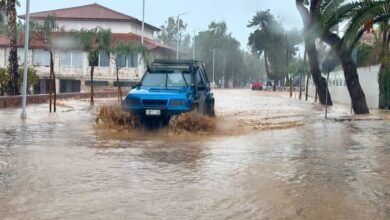
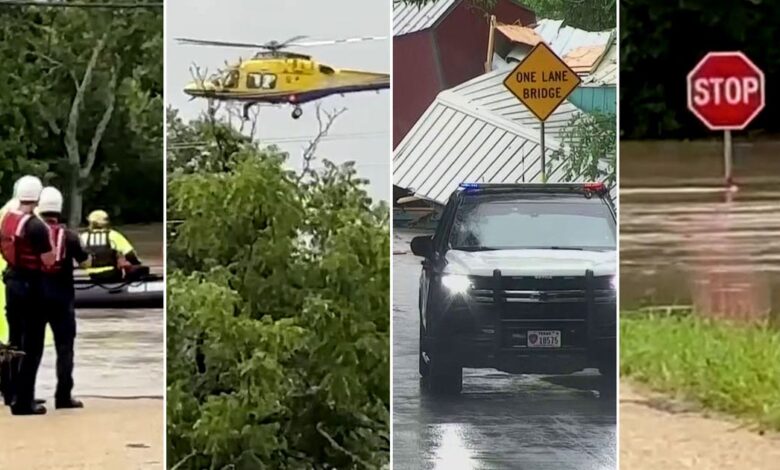
The National Weather Service has issued multiple flash flood warnings and emergency notices for the region. Emergency crews are currently responding to the dangerous conditions, which have inundated rivers, creeks, and residential areas. The Texas Game Wardens reported that they have successfully participated in the rescue of more than 40 individuals from submerged vehicles and flooded homes. These rescue efforts have been concentrated in the most severely affected zones, particularly within Uvalde County, where water levels posed an immediate threat to life and infrastructure.
Rising Water Levels and Infrastructure Impacts
The Pedernales River, which flows directly into Lake Travis in Austin, has become a focal point for emergency management. Aerial footage captured early on Thursday morning of the Pedernales River at the Highway 71 bridge showed significant flooding. The Lower Colorado River Authority (LCRA) stated that as of July 16, Lake Travis was 86 percent full. However, due to the ongoing heavy rainfall and necessary controlled releases, the LCRA expects water levels to rise by an additional 5 to 7 feet overnight.
In response to these projections, Travis County officials have urged residents to stay out of the water and away from riverbanks for the immediate future. The combination of natural inflow and managed releases has created a hazardous environment, necessitating strict safety protocols and public warnings. The flooding has also led to widespread road closures, complicating evacuation efforts and emergency access across the affected regions.
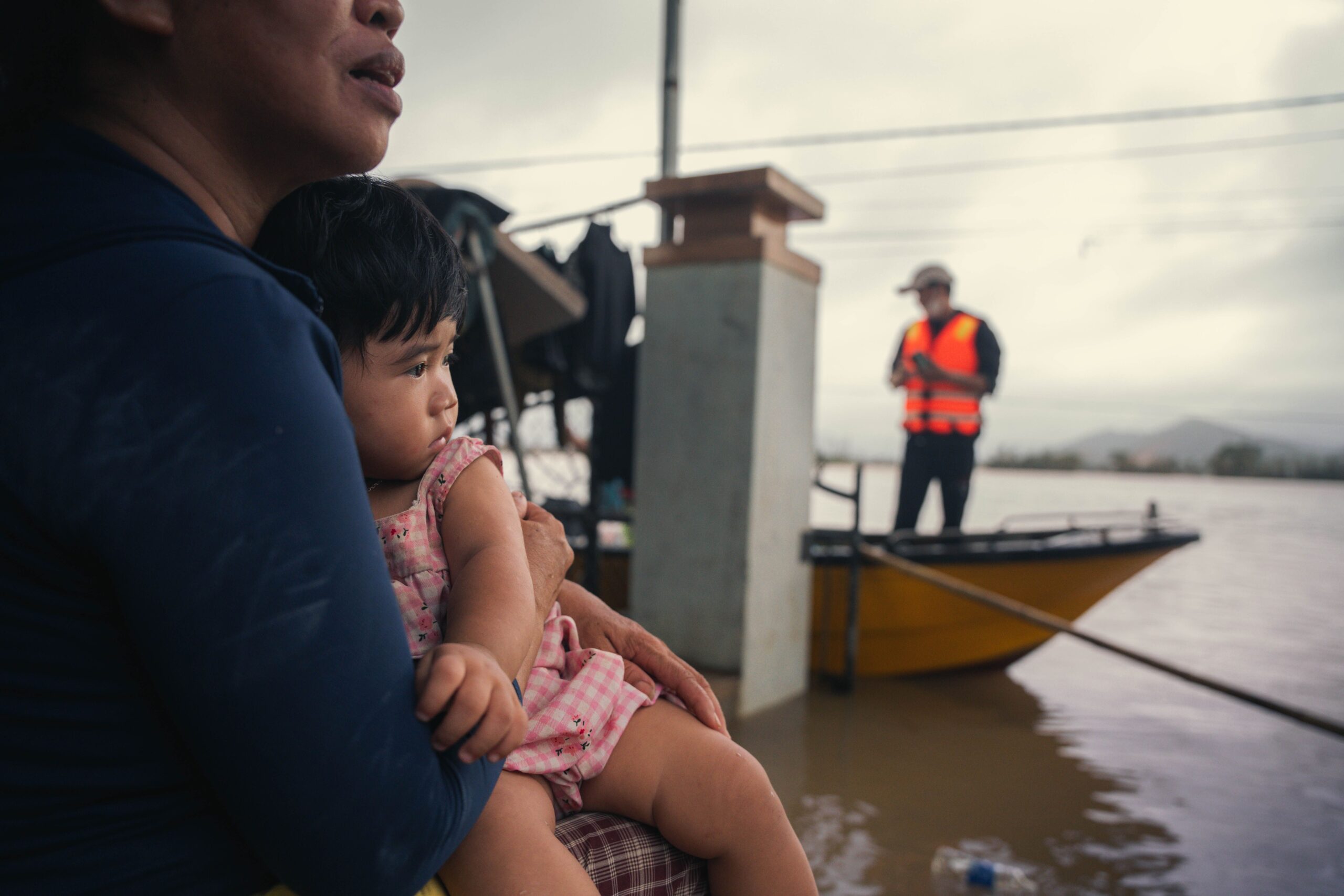
Emergency Response and Human Impact
The incident marks another dangerous flooding event along the Guadalupe River system, highlighting the vulnerability of the region to extreme precipitation. Emergency services have been operating continuously to manage the crisis, prioritizing the safety of residents in low-lying areas and near waterways. The two confirmed deaths underscore the lethal potential of flash flooding, where water can rise rapidly and without warning, trapping individuals in vehicles and homes.
Local authorities and state officials have coordinated their efforts to address the immediate aftermath of the storm. The Texas Game Wardens’ involvement in the rescue operations demonstrates a multi-agency approach to the crisis, leveraging specialized capabilities to save lives in difficult conditions. While the immediate threat of rising water persists, the focus has shifted to evacuating those in danger and managing the infrastructure damage caused by the inundation.
The geographic scale of the flooding spans multiple counties in Central and South Texas, with Uvalde County identified as a primary area of concern. The transition from localized creek flooding to major river systems like the Pedernales and Guadalupe indicates the severity of the rainfall event. As water levels continue to fluctuate, officials are monitoring the situation closely to adjust evacuation orders and resource allocation.
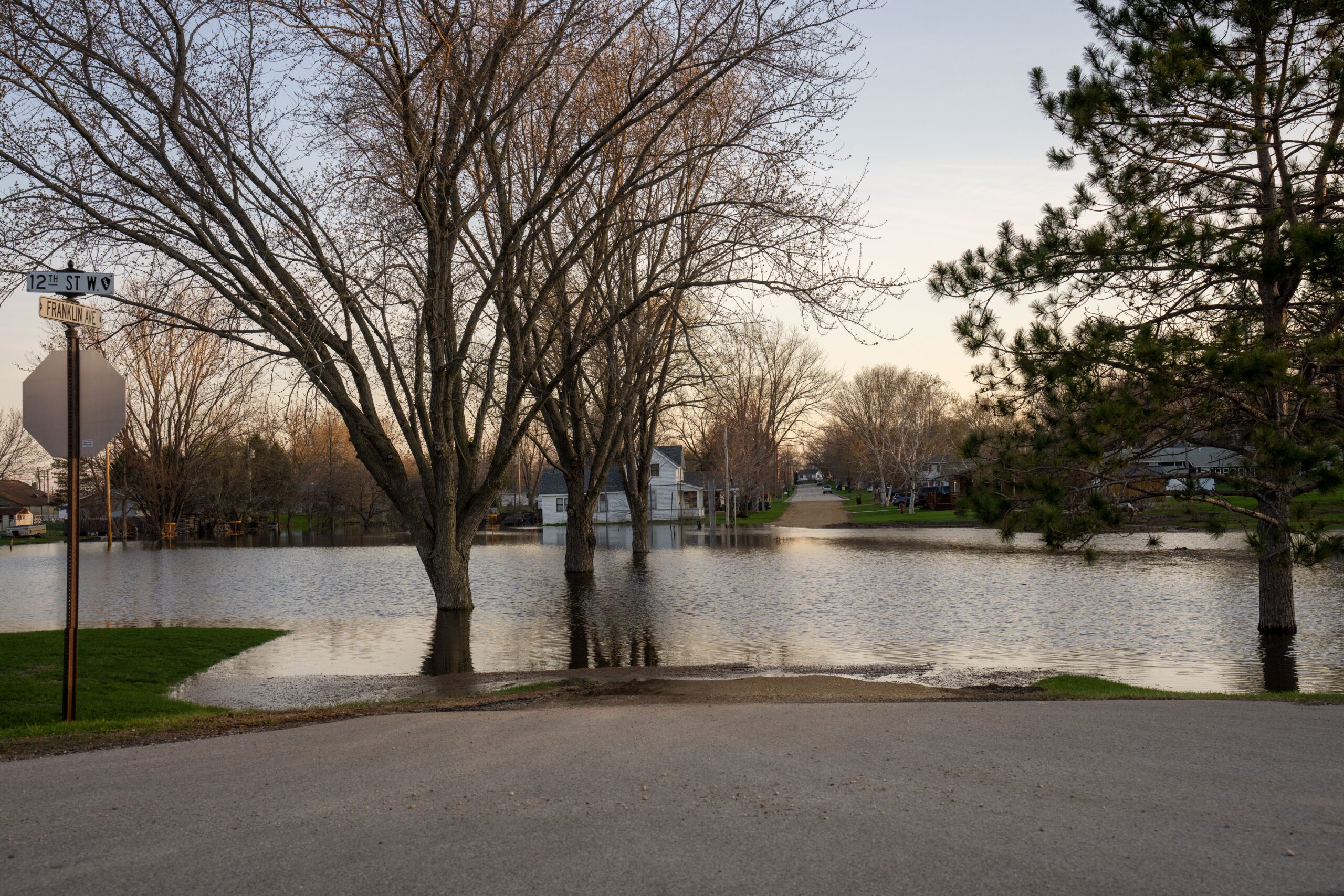
The event serves as a stark reminder of the impact of extreme weather on the Texas landscape. While specific atmospheric drivers for this particular storm were not detailed in immediate reports, the resulting hydrological response has placed significant strain on local emergency services and public infrastructure. The coming hours will be critical as water levels in Lake Travis and the Pedernales River continue to rise, requiring sustained vigilance from both authorities and the public.
The next critical phase of the response will involve assessing structural damage to homes and commercial properties, as well as determining the timeline for reopening closed roads and restoring normalcy to affected communities. Monitoring of the LCRA’s controlled releases will remain a priority to ensure that downstream impacts are managed effectively.