This tragedy in the Sulden ski area is not an isolated event but part of a broader pattern of avalanche activity threatening the northern Italian mountains. Just days earlier, in the Marmolada area of the Dolomites, near Cortina d’Ampezzo, a man died after triggering an avalanche at Punta Rocca, a 3,300-meter peak. Despite the immediate search efforts by his three companions and subsequent rescue teams, he was unable to be recovered in time. Further west, in the lower Valtellina valley near Bormio, two more off-piste skiers lost their lives in an avalanche in Albosaggia. Authorities are also investigating a potential fourth death in Trentino Alto Adige, where a man injured in an earlier incident reportedly died in hospital.
The timing of these fatalities coincides with the Milano Cortina Winter Games, with Alpine skiing competitions currently underway in Bormio and scheduled in Cortina. While the Olympic venues are subject to strict safety controls, the surrounding mountainous regions remain accessible to independent skiers and mountaineers, exposing them to unchecked natural hazards. The Marmolada massif, host to the women’s Alpine skiing events, and the Bormio valley, hosting the men’s competitions, sit within a landscape where recent weather patterns have created volatile conditions.
Meteorological and avalanche experts have identified the specific mechanism behind these deadly slides. Recent heavy snowfall has layered fresh, drifted snow over an older, frozen snowpack containing persistent weak layers. This structural instability means that the weight of a single skier can be sufficient to dislodge large slabs of wind-drifted snow. AINEVA, Italy’s snow and avalanche risks association, flagged a marked risk for recent days, warning that moderate winds had created slabs that could collapse unexpectedly. In the Sulden area, avalanche risk remained at level 4, described as “large,” with additional snowfall of 10 to 20 centimeters expected in many areas and up to 40 centimeters in parts of the Sextner Dolomites.
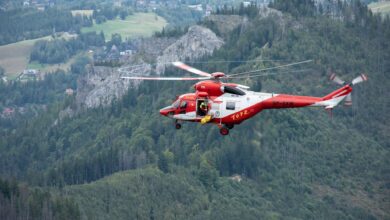
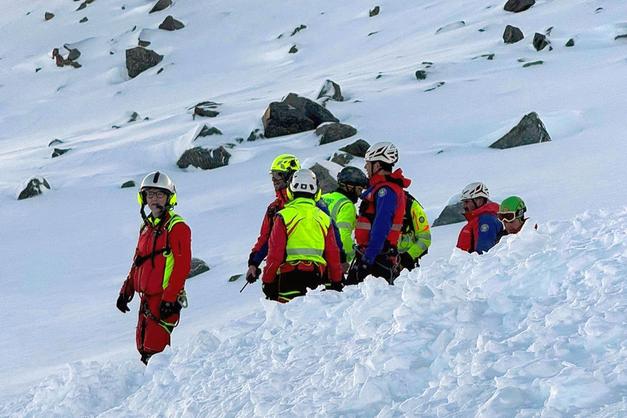
The rescue response to the Sulden incident was massive, involving approximately 40 personnel from various mountain rescue units and the Guardia di Finanza, supported by three emergency medical helicopters. The operation lasted roughly four hours. Complicating the situation, two additional minor avalanches occurred nearby during the rescue, including one near Madritschhütte, though no further injuries were reported. This cascading activity highlights the dynamic and unpredictable nature of the current snowpack.
These incidents are part of a dangerous winter season for the Alps. In November 2025, an avalanche on Cima Vertana killed five German mountaineers, a reminder that the hazard of fresh snow settling on old, unstable layers is a recurring and lethal threat. Experts emphasize that even surface-packed or “ripe” snow can hide these deeper weaknesses, making slopes particularly treacherous for those venturing off marked trails.
Italian authorities have reiterated that while off-piste skiing is not illegal, it carries significant legal and life-safety implications. Ungroomed and unmarked slopes are not subject to the avalanche control measures that protect groomed runs in resorts. Consequently, individuals skiing in these zones bear the full risk of natural avalanche activity. With the Winter Games continuing and winter tourists flocking to the region, safety officials are urging extreme caution, requiring the use of avalanche transceivers, probes, and shovels, and strongly advising against traveling alone or on high-risk slopes. The contrast between the controlled, snow-managed Olympic courses and the wild, unstable terrain just beyond them serves as a stark illustration of the alpine risks that persist throughout the season.