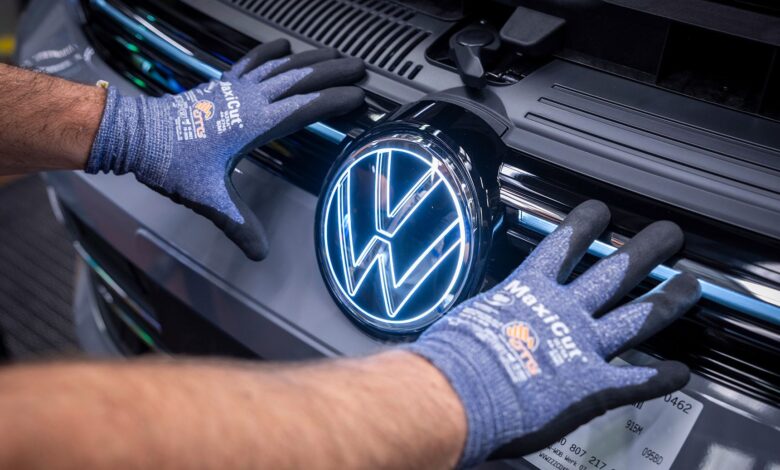
The agreement was finalized following approvals from the supervisory boards in Wolfsburg and Hefei, with key executives including Volkswagen CEO Oliver Blume and Gotion Chairman Li Zhen having already agreed to the terms. Although final signatures were pending at the time of the latest filings, the structural details of the partnership are now clear. The joint ventures will be located in Valencia, Spain; Šurany, Slovakia; and Kenitra, Morocco. This geographic spread is designed to create a robust production network for LFP chemistry, a battery type favored for its cost-effectiveness and thermal stability, which is particularly relevant for the mass-market EVs that Volkswagen aims to dominate.
A €3.22 Billion Strategic Realignment
The financial architecture of the deal places the heaviest burden on the Spanish site. Valencia is designated as the largest project, with an investment of about €2.26 billion ($2.57 billion) aimed at building an annual cell capacity of 29.1 GWh. Under the structure, Gotion will acquire a 49% stake in the existing PowerCo Spain entity through a capital increase, while PowerCo retains a 51% majority. The partners intend to manage the venture jointly, with a specific goal of turning the Valencia site into a European hub for “Unified Cells” based on LFP chemistry. Joint cell production at this location is slated to begin in 2027. Notably, Volkswagen has stated that the planned investment and job creation figures for the site remain as previously announced, despite the shift from an earlier cited capacity of 40 GWh to the current 29.1 GWh target for the LFP line.
In Slovakia, the strategy involves integrating Gotion’s existing Šurany cell factory into a new joint venture where Gotion holds the majority stake of 51%. Partners plan to invest approximately €480 million ($545.5 million) in this plant, which will have an annual capacity of 8.4 GWh. The focus here is on LFP cells for both electric vehicles and energy storage systems. A specific detail in the filings leaves some questions regarding the disposition of the 20% stake currently held by Slovakia’s InoBat, which previously operated the site as Gotion InoBat Batteries.
Alongside the production facilities, Volkswagen agreed to sell a 5.3% equity stake in Gotion. This separate transaction underscores the depth of the commercial tie, moving beyond simple manufacturing to a shared financial interest. The deal also covers joint procurement and sales activities across Europe, suggesting a comprehensive integration of supply chain logistics.
Context of Restructuring and Quality Control
This battery expansion does not occur in a vacuum. It was announced on the same day that the Volkswagen Group’s Supervisory Board unanimously approved the Executive Board’s “Future Plan 2030.” The board cited the need to navigate the “fastest and most fundamental shift” in the automotive industry, framing the new battery ventures as essential for sustainable long-term success. The plan is designed to make the group and its brands stronger and more competitive, with the Executive Board tasked with driving these measures in collaboration with brands and employee representatives.
However, the group’s operational stability has faced recent scrutiny due to safety concerns. In a parallel development, Volkswagen Group brands have announced the recall of 4 million vehicles worldwide over a corroded steering bolt. This massive recall highlights the quality control challenges that accompany the rapid scaling of production in a highly complex global supply chain. While the battery joint ventures aim to future-proof the company’s technological capabilities, the recall serves as a reminder of the ongoing imperative to maintain rigorous safety standards across millions of units in the field.
For consumers and developers in the EV sector, the practical impact of the Gotion partnership will be felt in the coming years. The shift toward LFP cells in Europe is expected to lower production costs and reduce reliance on imported cells, potentially making EVs more accessible. Yet, the transition is not without friction. The phased funding of the €3.22 billion investment and the pending final signatures indicate that the road to full operational capacity is still a work in progress. As the industry undergoes its most significant structural change, Volkswagen’s dual focus on aggressive battery localization and stringent quality assurance will determine whether the “Future Plan 2030” translates into durable market leadership or merely a transient competitive advantage.