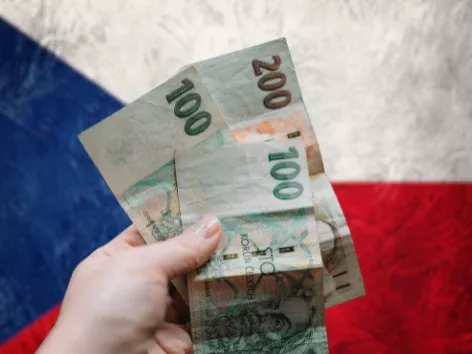
The conflict highlights a widening gap between the government’s fiscal constraints and the expectations of the workforce. Prime Minister Petr Fiala has maintained a firm stance, stating that his administration is not prepared to yield to union demands. “We have to stop the state indebtedness,” Fiala said, describing the measures as “absolutely necessary.” For the government, the reform is not merely a symbolic adjustment but a critical lever for long-term budget stability. The logic is straightforward: as the population ages, the ratio of working-age citizens to retirees shrinks, placing immense pressure on the pension system. By extending the working life of the labor force, the state aims to ensure that the system remains solvent without imposing drastic tax increases or benefit cuts elsewhere.
However, the implementation of these changes will not happen overnight. The pension reform has already begun, but the specific adjustments are scheduled to be phased in over several years. This gradual approach is intended to ease the transition for both employers and employees, allowing businesses time to adapt their staffing models and older workers time to plan for their retirement. Despite this phased rollout, the immediate political reaction has been intense. Josef Stredula, head of a major umbrella union organization, addressed the crowd in Prague, asserting that the unionists are protesting because they do not favor the direction of the country under the current leadership. The unions are not only opposing the pension changes but are also demanding increased funding for the education and healthcare sectors, arguing that austerity measures are being applied unevenly and unfairly.

The economic implications of the reform extend beyond domestic politics, touching upon the lives of foreign residents, including Ukrainian refugees who have integrated into the Czech labor market. For these individuals, the shift in retirement rules represents a significant change in their long-term financial planning. The reform raises questions about how pension entitlements will be calculated for those who have contributed to the system for shorter periods or under different national frameworks. While the specific mechanisms for foreigners are still being detailed, the broader trend toward a later retirement age suggests that all residents, regardless of nationality, will face a longer working period before accessing full pension benefits. This shift mirrors trends seen across much of Europe, where governments are grappling with similar demographic challenges and fiscal pressures.
The debate over the retirement age is ultimately a question of balance. On one side, there is the urgent need to control public debt and ensure the sustainability of the social safety net. On the other, there is the legitimate concern of workers who feel that the burden of fiscal correction is being placed disproportionately on their shoulders. The unions’ call for higher spending in healthcare and education underscores the complexity of the issue; it is not just about how long people work, but how the resources saved or generated by those years are allocated.
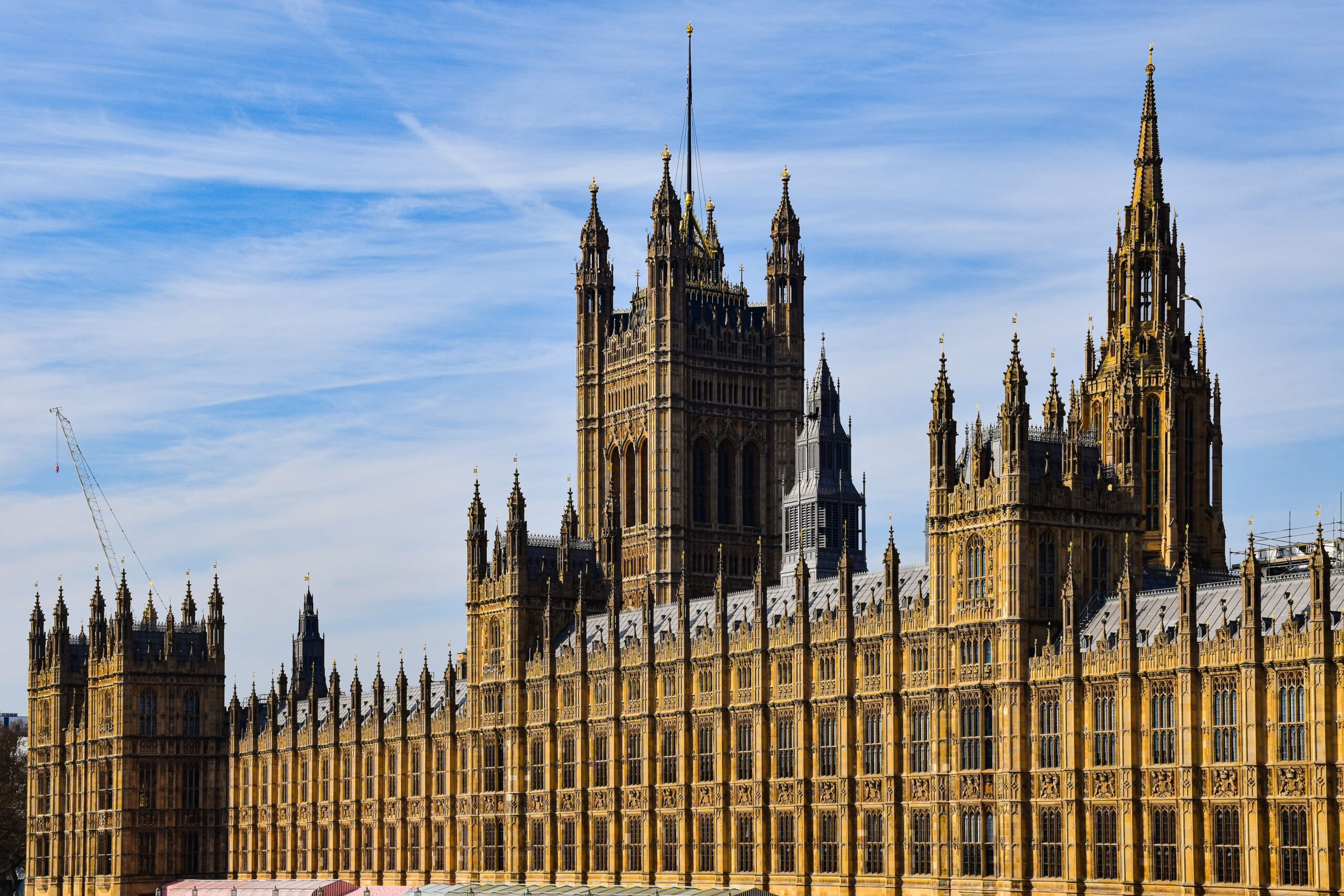
As the protests continue, the path forward remains uncertain. The government’s insistence on the necessity of these measures suggests that the core of the pension reform is unlikely to be withdrawn. However, the scale of the public response may force a reevaluation of the accompanying austerity cuts or the pace of implementation. For the thousands of workers who marched in Prague, the next few months will be critical. They are watching closely to see if the government will offer any concessions on sectoral spending or if the phased retirement age increases will proceed as planned, fundamentally altering the retirement landscape for a generation of Czechs and foreign residents alike.