
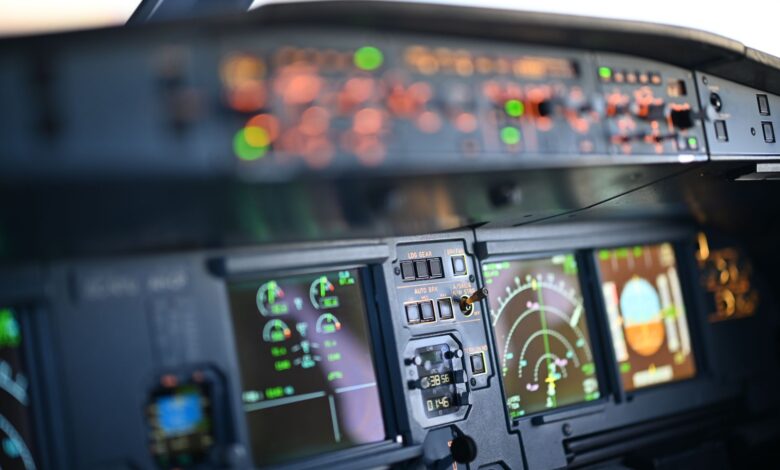
The rapid loss of altitude was attributed to a reported incident in the cockpit, where a pilot allegedly stabbed his co-pilot. In response to the crisis, two other pilots located in the rear of the aircraft reportedly stepped forward to assist in landing the plane. Additionally, several passengers claimed they took control of the flight’s controls to help stabilize the aircraft. The coordinated action by the remaining crew and passengers appears to have been instrumental in ensuring the safe diversion and eventual landing.
The diversion to Saudi Arabia marked a significant operational shift from the original flight path to Israel. While the specific location of the landing has not been detailed in the initial reports, the decision to divert reflects standard emergency protocols for aircraft experiencing severe mechanical or crew-related failures mid-flight. The incident draws attention to the critical importance of cockpit security measures and the redundancy of pilot roles in ensuring flight safety.
The event has raised questions about the security protocols in place for commercial flights, particularly regarding access to the cockpit and the rapid response mechanisms available to crew members and passengers. The alleged stabbing of the co-pilot represents a severe breach of safety standards, highlighting potential vulnerabilities in airline security procedures. Investigations are expected to examine the specific circumstances leading to the incident, including the actions of the crew members involved and the effectiveness of the emergency response.

Passenger accounts, while vivid and alarming, require verification through official aviation authorities and security agencies. The involvement of multiple pilots in stabilizing the aircraft suggests a complex emergency scenario that tested both human response and procedural safeguards. The incident serves as a stark reminder of the unpredictability of aviation emergencies and the critical role of trained personnel in mitigating disaster.
As investigations proceed, attention will likely turn to the operational details of the flight, the identities of the individuals involved, and the broader implications for airline safety policies. The diversion to Saudi Arabia and the successful landing, if confirmed, would represent a significant outcome given the severity of the initial incident. The case may prompt reviews of cockpit access protocols and emergency training across the aviation industry.
The incident has not been linked to any broader geopolitical tensions or military conflicts, despite the flight’s destination being Israel. The focus remains on the operational and safety aspects of the event. Further details are expected to emerge as official inquiries are conducted by relevant aviation and security bodies. The passenger’s testimony provides a crucial firsthand account, but it must be corroborated with technical data and official statements to fully understand the sequence of events.
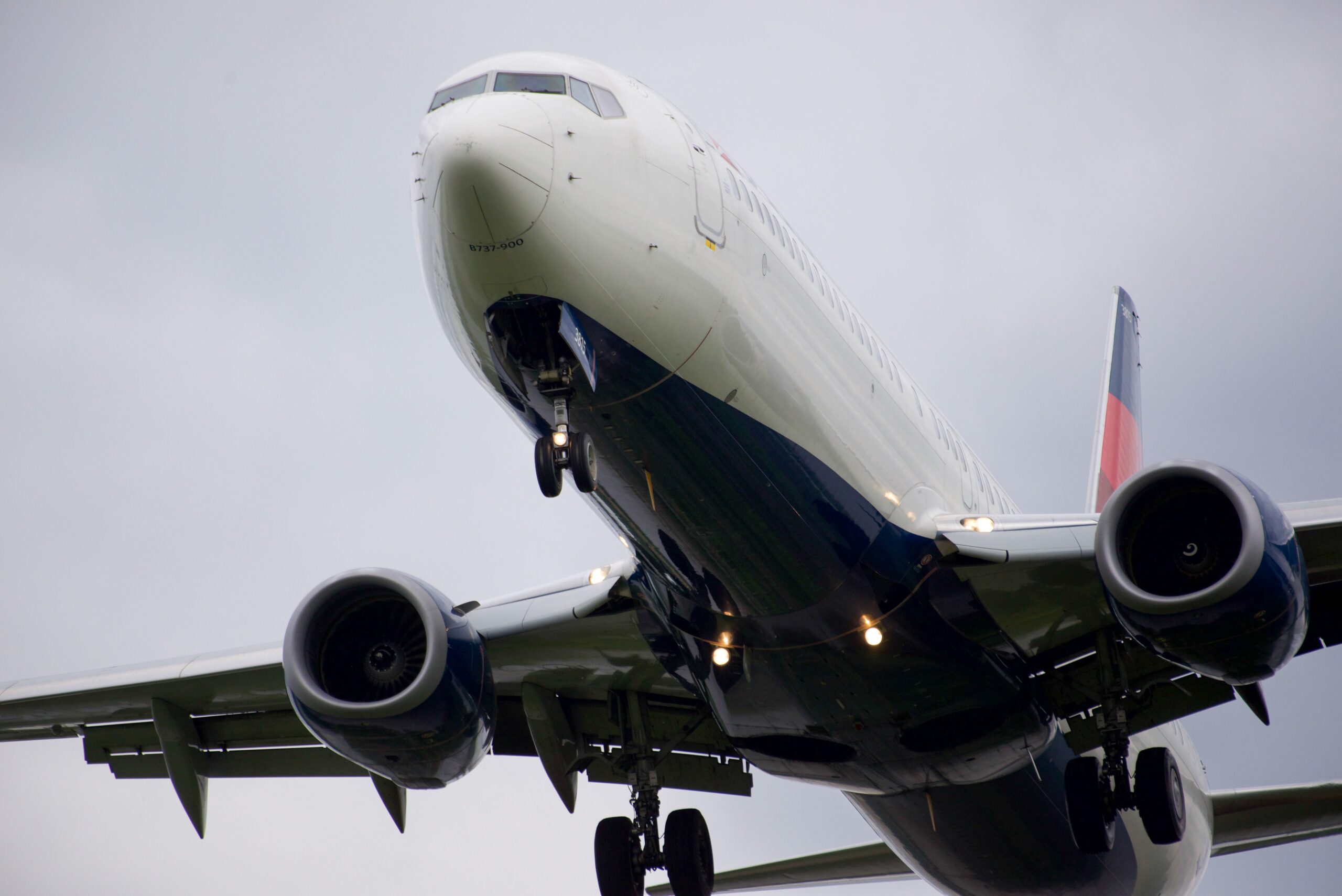
The rapidity of the descent—17,000 feet in under two minutes—represents an extreme aerodynamic event that poses significant risks to both aircraft structure and human physiology. The ability of the crew and passengers to maintain control and facilitate a safe diversion underscores the importance of well-drilled emergency procedures. The incident remains under investigation, with no immediate indication of further systemic failures beyond the reported cockpit altercation.
Authorities are expected to release preliminary findings in the coming days, focusing on the cause of the altercation, the condition of the aircraft, and the actions taken by the crew. The case will likely be scrutinized by international aviation regulators as a potential benchmark for cockpit security and emergency response. Until further information is available, the incident stands as a significant event in recent aviation history, characterized by its suddenness and the remarkable response of those on board.