The immediate effect on energy markets has been a sharp rise in both Brent and WTI crude prices. Traders are reacting to the heightened geopolitical risk in the Middle East, a region that accounts for a significant portion of global oil production and export routes. The deployment signals a potential for further conflict, which investors view as a threat to the stability of supply chains in the Persian Gulf.
Beyond the military developments, market dynamics are being influenced by shifting export policies in East Asia. New restrictions placed on Chinese fuel exports have contributed to the surge in prices, reducing the available supply in key international markets. This tightening of export availability from China adds another layer of complexity to an already fragile supply landscape, forcing buyers to seek alternative sources and pushing wholesale prices higher.
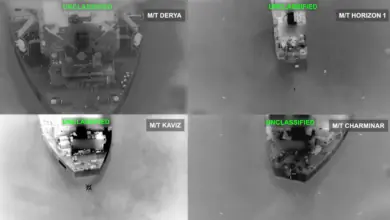
Reports also indicate a specific security incident in the Strait of Hormuz, the world’s most critical chokepoint for oil transit. A tanker was reportedly hit in the strait, an event that underscores the physical risks facing commercial shipping in the region. While the specific cause and extent of damage to the vessel have not been detailed in initial reports, such incidents serve as a tangible reminder of the vulnerability of maritime energy routes during periods of geopolitical tension.
The US military buildup is described as a response to the escalating conflict involving Iran. The presence of the carrier strike group and ground forces indicates a preparation for potential engagement or defensive operations. For energy markets, the key variable remains the potential for disruption to flow from the Gulf. If hostilities were to expand to include attacks on infrastructure or shipping lanes, the impact on global supply could be severe, potentially triggering further price spikes beyond current levels.
Analysts note that the combination of military escalation and policy-driven supply constraints creates a dual pressure on the market. While the US military presence is intended to deter conflict, the mere act of moving heavy assets into the region is often interpreted by markets as a precursor to heightened volatility. The distinction between planned defensive posturing and active conflict remains a critical factor in how oil traders price in risk premiums for the coming weeks.
The next phase of developments will likely hinge on diplomatic responses and further military movements. Markets are closely monitoring official statements from Washington, Tehran, and Tel Aviv for any indication of de-escalation or further escalation. In the absence of a clear diplomatic breakthrough, oil prices are expected to remain sensitive to any news regarding military engagements or additional shipping disruptions in the Strait of Hormuz. The focus for the energy sector remains on the intersection of geopolitical risk and physical supply availability, with both Brent and WTI benchmarks reflecting this uncertainty in their current pricing.