The price trajectory has been steady since February. On February 23, prior to the outbreak of the war, the EU average price for Euro-super 95 gasoline, including taxes, stood at €1.64 per litre. By September 7, this figure had risen to €2.04 per litre. Diesel prices experienced an even steeper climb over the same period, increasing from €1.59 per litre to €2.11 per litre. The divergence between the two fuels is attributed to tighter supply conditions for diesel in Europe, which has driven its price higher relative to gasoline.
The escalation in the Middle East has raised fears of attacks on oil production facilities and energy infrastructure. Uncertainty surrounding crude and refined-product shipments through the Strait of Hormuz has further exacerbated market conditions. In response to these risks, Brent crude futures rose back above $100 a barrel in September, a move that has fed directly into retail pump prices across Europe. The conflict has created a volatile environment for energy traders and consumers alike, with prices fluctuating in line with military developments and shipping disruptions.
National markets within the EU have shown varying degrees of sensitivity to these global shifts. Gasoline prices rose most sharply in Denmark and Finland, while diesel prices saw the steepest increases in Bulgaria. Despite these national variations, the overall trend remains one of significant cost escalation for European consumers. The financial burden is particularly acute when adjusted for the cost of living, indicating that certain member states are feeling the economic pinch more severely than others.
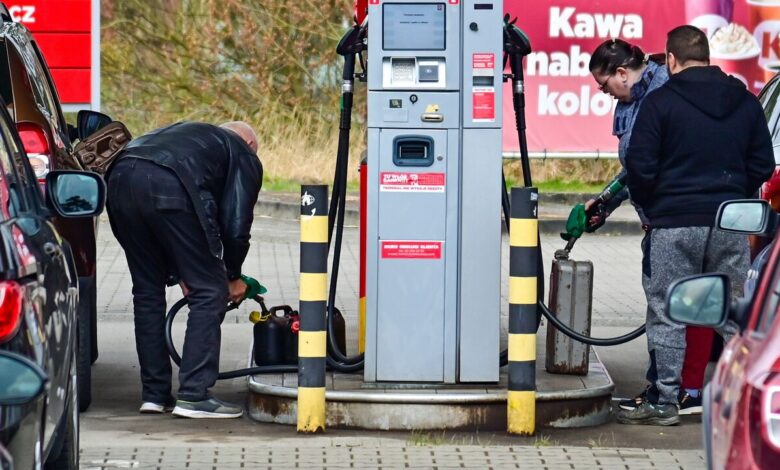
In light of the rising costs, Poland has announced plans to end its fuel price caps this summer. The cap was originally introduced to stabilize fuel prices following the start of the war. By removing these controls, the Polish government aims to align domestic prices more closely with global market rates, although this move may further increase costs for drivers and businesses in the country. The decision underscores the broader tension between government interventions to protect consumers and the realities of a disrupted global energy market.
The immediate effect on consumers is a noticeable increase in fuel expenditure, particularly for those reliant on diesel vehicles for transport and logistics. The higher prices are likely to impact broader inflation rates as transport costs feed into the price of goods and services. For energy security, the situation highlights Europe’s continued vulnerability to geopolitical shocks in the Middle East. As the conflict persists, the stability of energy supplies and prices remains a critical issue for policymakers in Brussels and national capitals.

Analysts note that the current price levels are among the highest in recent history for the region. The sustained rise in both gasoline and diesel prices indicates a structural shift in the energy market rather than a temporary spike. With no immediate resolution to the Middle East conflict in sight, further price adjustments are possible. The European Commission will continue to monitor weekly oil bulletins to track these developments and assess the impact on the single market.
The next phase of this energy crisis will depend on the trajectory of the Middle East conflict and the resilience of global supply chains. If tensions remain high or escalate further, additional pressure on fuel prices is expected. Conversely, any de-escalation could lead to a gradual easing of costs, though at a slower pace than the initial rise. For now, European consumers and businesses must navigate a landscape of elevated fuel costs, with policy responses like Poland’s cap removal setting a precedent for how other nations may manage the economic fallout.