“If it comes to a direct attack on the Russian Federation — in this case we mean Kaliningrad, or maybe some other territories — of course, inevitably and immediately the question of Russian Federation using all weapons at the disposal of our country will appear on the agenda,” Putin said. He clarified that this statement, which had previously been communicated to NATO, does not constitute an act of aggression but rather a response to what Moscow perceives as attempts to intimidate it. “It’s not intimidation, it’s a response to an attempt to intimidate us,” he noted, adding that the Russian Foreign Ministry’s recent diplomatic letters accurately reflect this position.
The remarks follow a written warning delivered by Moscow to the North Atlantic Treaty Organization, in which Russia indicated it would not hesitate to employ its full arsenal, including nuclear weapons, should the alliance attempt to cut off the Baltic exclave from the rest of the country. Several Russian embassies in Europe, including the one in Ireland, issued statements this week claiming that Moscow possesses “information that NATO is preparing an air and naval blockade of Kaliningrad.” These diplomatic notes accused European leaders of “playing a dangerous game” by discussing the possibility of a Russian attack on another country or an escalation of drone and sabotage campaigns.

NATO officials have firmly rejected these allegations. Alliance spokesperson Allison Hart stated that NATO strongly denounces the threat of force, describing the nuclear rhetoric as “irresponsible.” In a reply to Moscow, the alliance reiterated that it is a defensive organization and that none of its activities or exercises pose a risk to any part of Russia. NATO Secretary-General Mark Rutte described the bloc’s response as “short and concise,” urging Russia to stop the nuclear threats and to end its “unprovoked war of aggression against Ukraine,” which has now entered its fifth year.
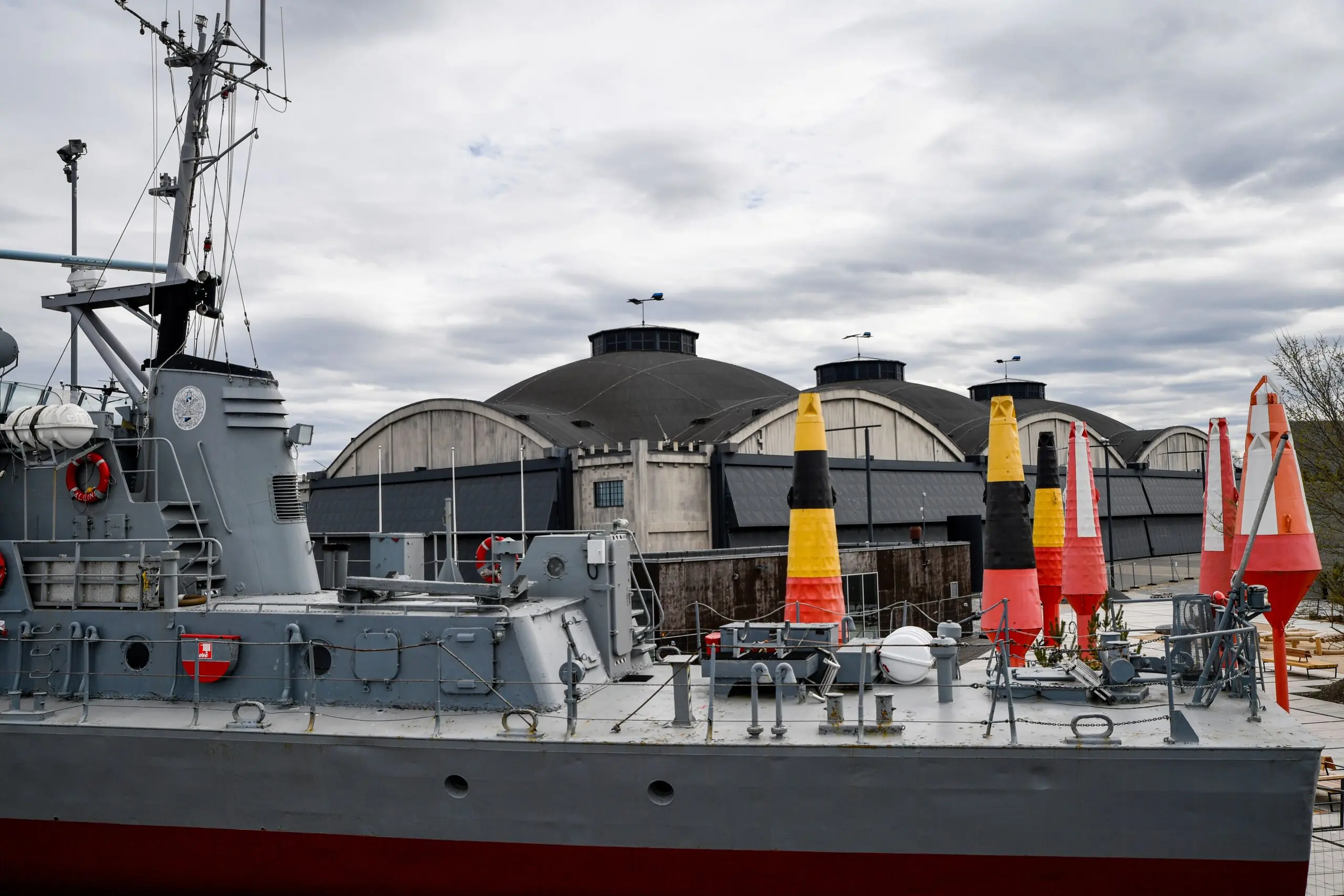
The strategic significance of Kaliningrad cannot be overstated. Situated between NATO members Poland and Lithuania, the exclave houses the main base of the Russian Baltic Fleet and is equipped with nuclear-capable Iskander missiles. Western military analysts have long assessed that key military installations in the region would be primary targets in any hypothetical conflict between Russia and NATO allies. Consequently, the rhetoric surrounding the area carries significant weight in broader deterrence calculations.
Recent months have seen increased military activity in the Baltic Sea region. NATO allies have conducted exercises in the area, with further maneuvers planned for October. Last year, the alliance launched Operation Baltic Sentry to protect critical communication cables and pipelines. Most recently, on August 18, an unannounced exercise took place over northern Poland and the Baltic region, involving several aircraft, including an EA-37B Compass Call, a sophisticated U.S. electronic warfare plane capable of jamming communications and radar. Defense analysts believe such large-scale, unannounced operations are likely to be viewed with suspicion by the Kremlin, contributing to the current climate of mistrust.
European intelligence services and leaders have warned that Russia could be prepared to strike at another country within a few years, particularly if it secures victory in its war against Ukraine. However, Rutte argued that Russia’s aggressive rhetoric is an attempt to divide the alliance and shift focus away from the conflict in Ukraine. “We will not,” Rutte said, emphasizing that the best course of action is to maintain calm and continue providing support to Kyiv.
While Putin did not explicitly specify whether nuclear weapons would be the first choice in a hypothetical conflict, he claimed that Russia possesses means of destruction that no other country currently has. The ambiguity in Moscow’s statements, coupled with NATO’s defensive exercises, creates a complex security environment in the Baltic. The immediate military objective for NATO remains the protection of its eastern flank and the preservation of stability in the region, while Russia seeks to assert its influence through nuclear deterrence rhetoric. The dispute remains unresolved, with neither side showing signs of de-escalating their public posturing.