
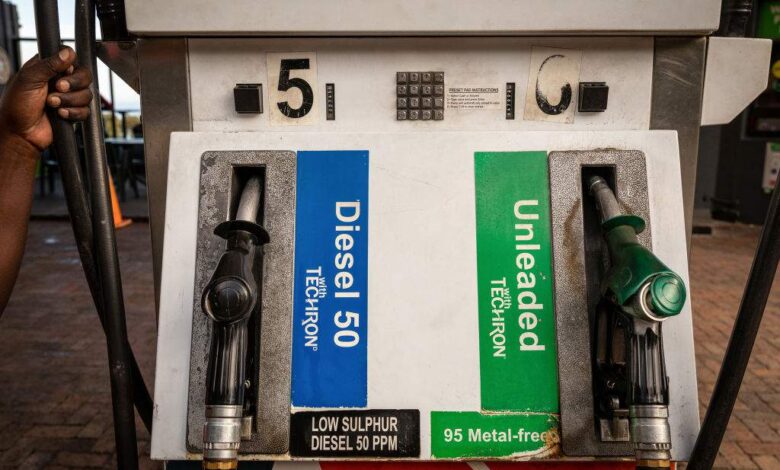
The surge is not an isolated domestic phenomenon but a direct reflection of global market dynamics. South African fuel prices are intrinsically linked to global crude oil prices and the rand-dollar exchange rate, given that oil is traded in US dollars. Brent crude, the benchmark for global oil pricing, has climbed 70% since the start of the year and is currently trading above $100 a barrel. This sustained upward trajectory in international oil markets is being transmitted directly to the local pump, with wholesale diesel (0.05% sulphur content) in Gauteng projected to hit R31.91, and R31.04 on the coast, both new record levels.
Economic Ripple Effects
The implications of these price hikes extend beyond the immediate cost of filling a vehicle tank. Energy costs are a fundamental input for transportation, logistics, and industrial production across the economy. Bongani Motsa, chief economist at the Minerals Council South Africa, has warned that fuel prices are expected to remain well above pre-war levels despite some recent moderation. He noted that diesel prices are approximately 42% to 43% higher than their March 2022 levels, while petrol prices stand about 32% higher. The national retail price of paraffin is even more stark, sitting almost 48% above its pre-war benchmark.
This inflationary pressure is occurring against a backdrop of fragile employment data. The latest figures from Statistics South Africa indicate that the economy lost 16,459 jobs between the first and second quarters of 2026, with total formal non-agricultural employment declining from 10.44 million to 10.42 million. While some sectors managed to retain or grow their workforce—including mining, which saw a slight increase to 472,804 workers—others such as manufacturing, finance, trade, and transport shed jobs. Motsa cautioned that further fuel price hikes could strain the job market further, as rising input costs squeeze corporate margins and consumer spending power.

Fuel prices in South Africa would remain well above pre-war levels… further hikes could strain the job market.
The productivity index, which declined to 88 in May 2026 (with Q1 2019 as the baseline of 100), suggests that labour productivity remains approximately 12% below pre-pandemic levels. In this context, the additional burden of high energy costs poses a challenge to businesses attempting to recover efficiency and profitability. The transport sector, already shedding jobs, is particularly vulnerable as diesel costs drive up operational expenses for logistics and freight companies.
Government officials have acknowledged the severity of the situation, with the Minister of Mineral Resources and Energy noting that the rising petrol price is a more pressing concern than supply security. The focus has shifted from ensuring fuel availability to managing the economic impact of its cost. As the rand continues to face pressure from global economic headwinds, the linkage between the dollar-priced barrel and the local currency remains a critical variable. Even if global oil prices were to stabilize, a weakening rand would continue to push local fuel prices higher, maintaining the upward trend in consumer costs.

The upcoming price adjustment represents a critical test for South African households and businesses. With petrol prices breaking the R30 barrier, the cost of living is set to rise significantly, potentially impacting inflation targets and monetary policy decisions. For the mining sector, which remains a stable employer despite a 3% quarterly contraction in GDP, the higher diesel costs present a direct challenge to operational efficiency. As the new prices take effect next week, the immediate impact will be felt at the pump, but the longer-term effects will ripple through the broader economy, affecting everything from grocery prices to industrial output.
While the final figures are pending official confirmation, the trajectory is clear: South Africa is entering a new era of expensive fuel. The convergence of high global oil prices, exchange rate volatility, and domestic economic fragility creates a complex challenge for policymakers and businesses alike. The next few weeks will reveal whether the economy can absorb this cost shock without further detrimental effects on employment and growth.