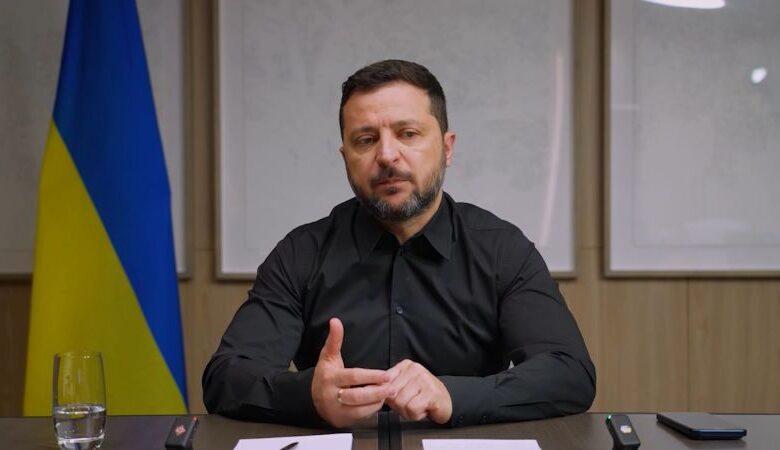
The presence of Witkoff and Kushner in these discussions signifies a specific diplomatic strategy employed by the current US administration. By deploying envoys with close ties to the White House, the US aims to maintain direct lines of communication with Kyiv while simultaneously engaging with other parties involved in the conflict. For Ukraine, the engagement represents an opportunity to align its strategic interests with American foreign policy objectives, ensuring that any potential peace framework respects Ukrainian sovereignty and security needs.
Geopolitical analysis of these interactions suggests a complex balancing act for all parties involved. The United States seeks to de-escalate a conflict that has had profound implications for global security, energy markets, and international alliances. Ukrainian goals remain focused on territorial integrity and long-term security guarantees. The involvement of figures like Kushner and Witkoff indicates a move toward more personalized, high-level diplomacy, potentially bypassing traditional bureaucratic channels to expedite negotiations. This approach reflects broader trends in modern statecraft, where direct personal channels between leaders and their closest advisors are often utilized to break diplomatic stalemates.

The timing of Zelensky’s remarks at the YES conference is notable, as the event draws international attention to Ukraine’s resilience and its ongoing fight for independence. By sharing takeaways from the US meetings in this forum, Zelensky reinforces the narrative that Ukraine is actively engaged in diplomatic processes, not solely in military operations. This dual-track approach—combining defensive military efforts with active diplomatic engagement—is a cornerstone of Ukraine’s strategy to secure a favorable outcome to the war.
However, the path to a lasting peace remains fraught with uncertainty. While the US has expressed a desire for a resolution, the specific terms of any agreement continue to be a subject of intense negotiation. Key issues, including security guarantees for Ukraine, the status of occupied territories, and the future of NATO enlargement, remain unresolved. The diplomatic pressure applied by the US envoys is intended to bring parties to the table, but translating that engagement into a binding peace treaty requires significant compromise from all sides.
For the international community, the effectiveness of these diplomatic channels will be closely monitored. Success in mediating a peace deal would represent a significant shift in the geopolitical landscape, potentially restoring stability to Europe and reducing the global costs associated with the war. Conversely, a failure to reach an agreement could prolong the conflict, with ongoing consequences for global security and economic stability. The engagement between Zelensky and the US envoys thus serves as a critical indicator of the potential for diplomatic breakthroughs in the coming months.

As the war enters another phase, the focus remains on whether the diplomatic momentum generated by these high-level meetings can translate into tangible results. The next steps will likely involve further consultations between Kyiv, Washington, and other key international partners to define the parameters of a potential peace. The outcome of these efforts will not only determine the future of Ukraine but will also have lasting implications for the broader international order.
Back in Kyiv, the message from President Zelensky is clear: Ukraine is ready to engage in serious diplomacy to end the war, provided that any agreement safeguards its sovereignty and security. The involvement of the Trump administration’s key envoys signals a serious commitment to this process, offering a glimmer of hope for a negotiated end to the hostilities. The coming weeks will be decisive in determining whether these diplomatic efforts can bridge the gap between the warring parties and lead to a durable peace.