While the annual case count has dropped, the fundamental conditions that fueled the recent resurgence remain unaddressed. The number of cases in 2025 still exceeds those reported in most years since 2000, and measles infections continue to be detected in the region throughout 2026. For many of the children who fell ill, the outcome was entirely preventable with higher routine vaccination coverage at the community level and more timely intervention. The virus, which is approximately 12 times more contagious than influenza, continues to exploit immunity gaps, with up to 18 unvaccinated individuals potentially infected for every single case.
“While cases have reduced, the conditions that led to the resurgence of this deadly disease in recent years remain and must be addressed. Until all children are reached with vaccination, and hesitancy fuelled by the spread of misinformation is addressed, children will remain at risk of death or serious illness from measles and other vaccine-preventable diseases,” said Regina De Dominicis, UNICEF Regional Director for Europe and Central Asia.
The most alarming aspect of the current situation is not the high case count, but the geographic spread of endemic transmission. At its September 2025 meeting, the European Regional Verification Commission for Measles and Rubella Elimination concluded that the number of countries with continuing or re-established endemic measles transmission had increased to 19, up from 12 the previous year. This represents the most significant setback in measles elimination efforts in the region in recent years. In 2024, the region saw over 35,000 reported cases, with Romania alone accounting for 87% of that total. The data from 2025 suggests that while the intensity of the outbreak may be waning, the virus has entrenched itself in more national health systems.
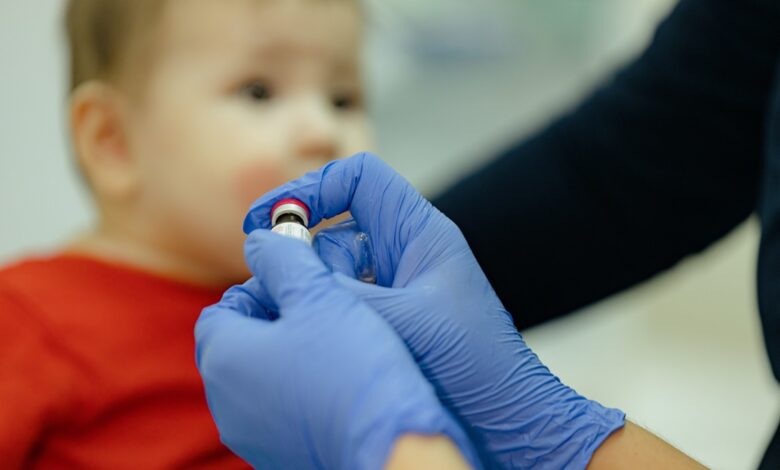
The medical consequences of measles extend far beyond acute hospitalization. The virus can cause long-term, debilitating complications and effectively “erase” the immune system’s memory, leaving survivors vulnerable to other infections for months or even years. This immunosuppression effect underscores the severity of the disease and the critical importance of prevention. Two doses of measles-containing vaccine provide up to 97% lifelong protection, but achieving this protection requires a vaccination rate of 95% in every community to maintain herd immunity. This threshold is essential to protect those who cannot be vaccinated, such as infants too young for the shot and individuals with compromised immune systems.
Public health authorities emphasize that the decline in cases is not a signal to lower vigilance. Over 200,000 people in the region fell ill with measles in the past three years, a cumulative toll that highlights the fragility of current immunity levels. Dr. Hans Henri P. Kluge, WHO Regional Director for Europe, noted that unless every community reaches the 95% coverage target and closes immunity gaps across all age groups, the virus will continue to spread. The current environment of misinformation further complicates efforts to reach this threshold, making it crucial for the public to rely on verified health information from reliable sources such as national health agencies and international health organizations.
In response, UNICEF and WHO are working alongside governments and partners, including Gavi, the Vaccine Alliance, and the European Union, to strengthen the region’s defense against the virus. These efforts focus on engaging with communities, training healthcare workers, and strengthening disease surveillance systems. The goal is to ensure that outbreak response is not just reactive, but part of a sustained strategy to achieve measles elimination. Despite the 2025 dip in cases, the next verified development will be determined by whether these interventions can reverse the trend of expanding endemic transmission before the virus establishes a permanent foothold in even more countries.