A Historic Surge in Cases and Fatalities
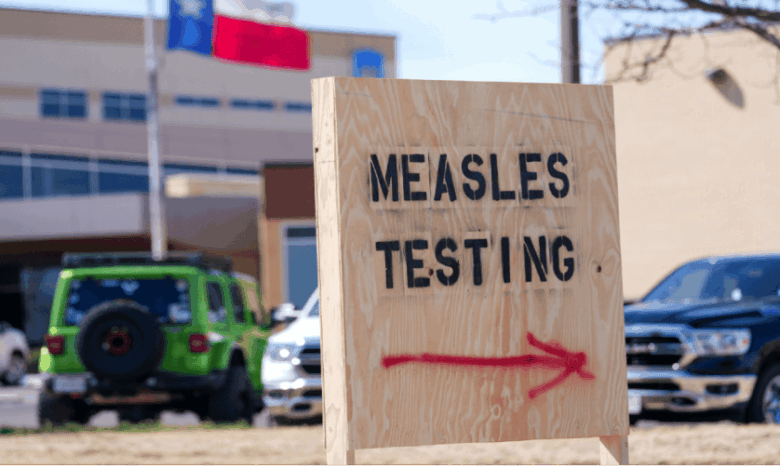
The death brings the total number of measles-related deaths in the current outbreak to five. This figure marks a significant departure from recent historical trends, as Pennsylvania has not experienced an outbreak of this magnitude since the early 1990s. The term “worst outbreak in more than 35 years” indicates that the volume of confirmed cases and the severity of complications have exceeded previous baselines for the commonwealth.
Measles is highly contagious, spreading through the air via coughing and sneezing. Before the widespread introduction of the measles, mumps, and rubella (MMR) vaccine, the disease was a routine and often deadly part of childhood. While the vaccine has rendered the disease rare in many developed nations, it remains a serious threat in communities with low vaccination coverage. The fact that this is the worst outbreak in over three decades suggests a substantial decline in herd immunity within specific populations in the state.
The Role of Vaccination Status
Officials explicitly noted that the person who died was unvaccinated. This detail is clinically significant, as the MMR vaccine is highly effective at preventing measles. In most cases, individuals who have received two doses of the vaccine are considered fully protected. However, no vaccine is 100% effective, and breakthrough infections can occur, particularly during large-scale outbreaks where the virus is circulating widely. Nevertheless, the risk of severe complications, including pneumonia, encephalitis (brain swelling), and death, is significantly higher among unvaccinated individuals compared to those who are immunized.
Lancaster County, where the deceased resided, has previously been identified as an area with lower vaccination rates, particularly within certain religious and cultural communities. While the department did not specify the demographic or religious background of the deceased, the geographic location aligns with areas where public health officials have observed persistent gaps in immunization coverage. These gaps allow the virus to spread more easily, leading to larger clusters of infection and, consequently, an increased likelihood of severe outcomes.
Public Health Implications
The confirmation of this fifth death serves as a stark reminder of the consequences of vaccine refusal or delay. Measles is not merely a childhood rash; it is a systemic viral infection that can lead to life-threatening complications, particularly in infants, young children, and immunocompromised adults. The virus can remain airborne for up to two hours after an infected person leaves a room, making it one of the most transmissible infectious diseases known to humans.
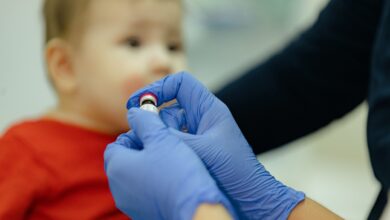
Health officials continue to urge residents to verify their vaccination status and to receive the MMR vaccine if they are not immune. For those who have never been vaccinated, or who have received only one dose, the second dose is critical for long-term protection. Additionally, individuals who are unvaccinated and have been exposed to measles should seek medical attention immediately to determine if post-exposure prophylaxis is appropriate.
The ongoing outbreak underscores the importance of community-wide immunity. When vaccination rates fall below the threshold required for herd immunity—typically cited as 95% for measles—the virus can find susceptible hosts and spread rapidly. This dynamic not only puts unvaccinated individuals at risk but also threatens those who cannot be vaccinated due to age, medical conditions, or other contraindications.
Looking Ahead
As the outbreak continues to grow, public health authorities are monitoring case counts and fatality rates closely. The next critical step involves strengthening outreach efforts in areas with low vaccination coverage to ensure that vulnerable populations are protected. The medical community remains vigilant, emphasizing that while measles was once considered a manageable childhood illness, the current data demonstrates that it remains a severe threat when prevention measures are neglected. The focus now shifts to containment through education, vaccination, and close monitoring of exposed individuals to prevent further spread and additional fatalities.