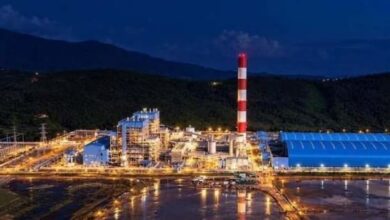

The launch was attended by the leaders of Uganda, Ethiopia, Togo, and Benin, underscoring the project’s regional significance. Dangote has offered the governments of these neighboring nations a combined 30% stake in the refinery. “This is Africa coming together to build Africa,” Dangote stated during the ceremony, framing the investment as a pivotal step in the continent’s industrial journey. President Ruto echoed this sentiment, describing the site as the “epicentre of development” for the country and declaring that Africa is entering an era where it will increasingly finance and process resources domestically.
Economic Transformation for Lamu
The projected impact on the local economy is substantial. David Ndii, President Ruto’s Chief Economic Adviser, noted that Lamu currently ranks 44th among Kenya’s 47 counties, with a gross county product of approximately 50 billion Kenyan shillings annually. Ndii estimated that the direct contribution of the refinery could elevate Lamu to the fifth-largest county economy in the country. When accounting for the multiplier effect of related industries and manufacturing activities, the county could potentially become the third-largest economy in Kenya within a decade, trailing only major urban centers like Nairobi and Mombasa.
Legal and Environmental Challenges
Despite the high-profile launch, the project has not been without contention. In the days immediately preceding the ceremony, local residents took to the streets to demand increased compensation for the land acquired for the refinery. A court ruling issued just prior to the groundbreaking permitted the launch to proceed, though the legal case regarding land rights remains ongoing. Walid Ali, co-founder of the Save Lamu campaign group, expressed concern over the environmental implications for the local community, particularly given that Lamu is a tourist destination home to a 12th-century Swahili settlement designated as a UNESCO World Heritage site. Ali stated that the group is seeking the findings from the environmental impact assessment to review proposed mitigation measures.
Dangote dismissed the protests and legal challenges, characterizing the demonstrations as games played by local marketers and international players. “We’re not really scared of people taking us to court,” he said, adding that the company was prepared for any opposition. He insisted that the refinery would proceed as planned, with a target completion date within 30 to 40 months, or by 2030.

Regional Competition and Supply Dynamics
The development of the Lamu refinery occurs against a backdrop of intensifying regional competition. Uganda and Tanzania recently announced a rival $20 billion refinery and energy hub at the Tanzanian port of Tanga. Uganda is set to begin producing its first oil in the coming weeks, with a pipeline to the Tanzanian coast nearly complete in collaboration with French energy major TotalEnergies. Consequently, the Lamu refinery will not initially benefit from domestic crude supply from the East African basin. Instead, Dangote indicated that the facility would source crude oil from the Middle East, the United States, and other international markets until countries like Kenya and Mozambique begin producing larger volumes of oil.
The project represents a strategic bid to industrialize the region, moving beyond the export of raw commodities to the production of finished petroleum products. While the economic promises for Lamu are significant, the path to completion involves navigating complex legal disputes, environmental scrutiny, and a competitive regional landscape that is rapidly reshaping the East African energy map.