
The central issue for global health authorities is the lack of verified data on the cause of the initial death and the status of the suspected second case. Plague, caused by the bacterium *Yersinia pestis*, is a zoonotic disease that can spread to humans through fleas on infected rodents or through respiratory droplets in the case of pneumonic plague. While bubonic plague is the most common form, pneumonic plague is highly transmissible and can be fatal if not treated promptly with antibiotics. The death of a worker at a specialized plague institute raises immediate public health concerns regarding laboratory safety protocols and the potential for spillover events.
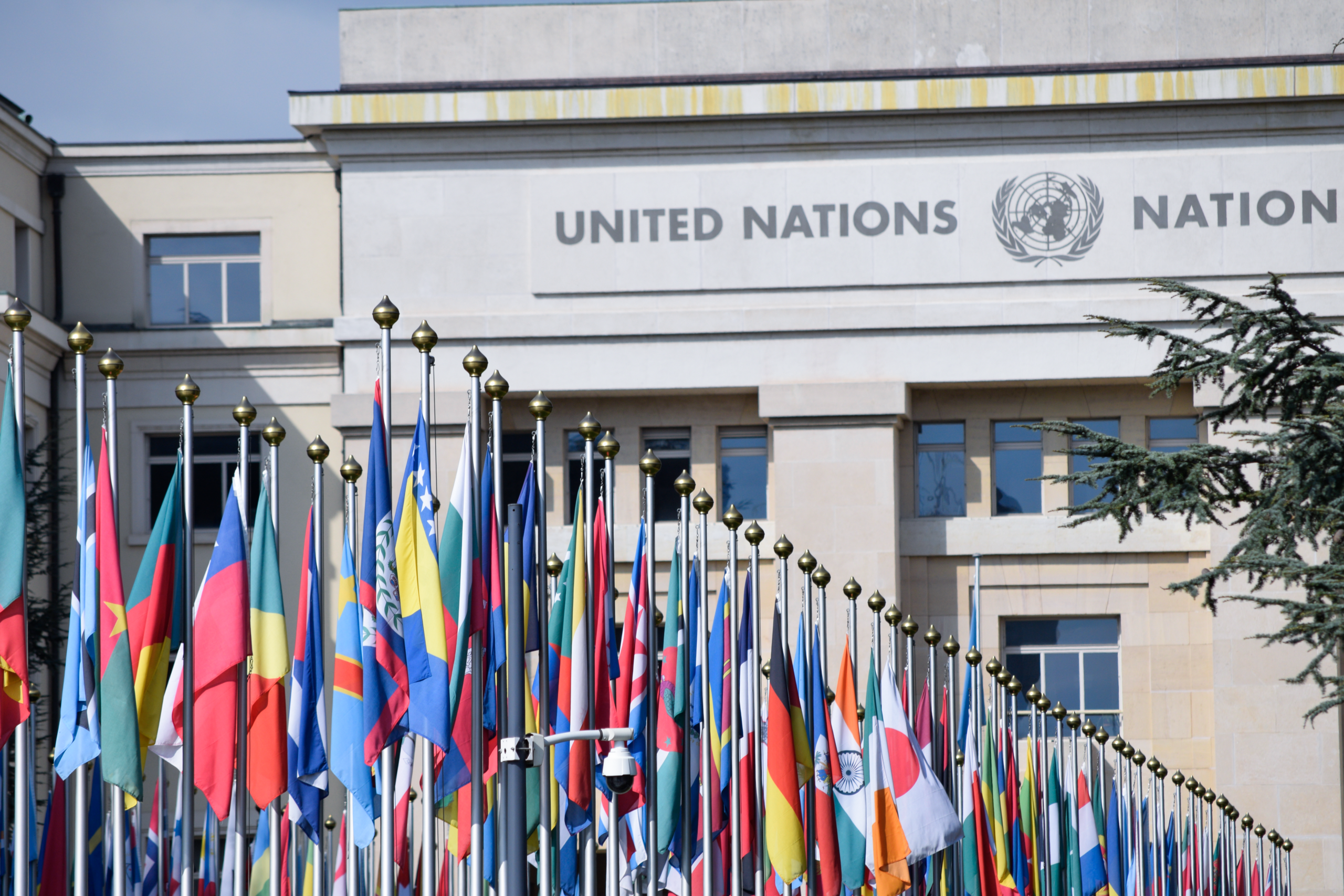
Western leaders and the WHO have emphasized the need for immediate access to epidemiological data, including the specific strain of the bacteria, the circumstances of the exposure, and the health status of close contacts. The organization highlighted that early notification is critical for containing outbreaks and preventing international spread. Without confirmed laboratory results and case details, it is impossible to assess the true risk to the surrounding population or to determine if the disease is under control. The WHO’s stance reflects standard international health regulations, which require member states to report events that may constitute a public health emergency of international concern.
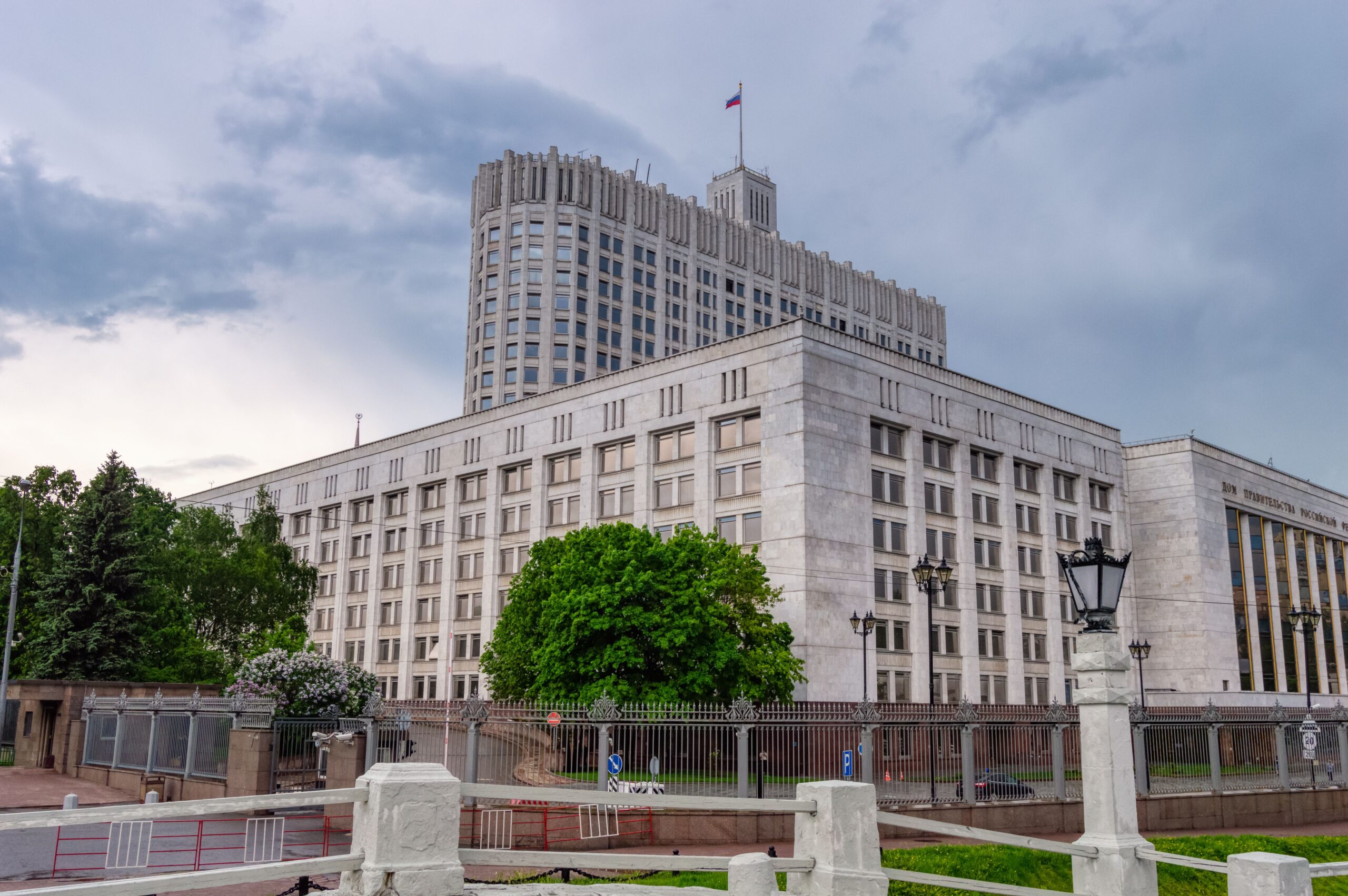
In response to the international pressure, the Kremlin stated that Moscow had already shared all the information it possessed regarding the incident. Russian officials accused media outlets of spreading “false information” and characterized the international calls for transparency as an attempt to create panic. The government did not provide new technical details about the pathogen or the specific health outcomes of the affected individuals beyond the initial acknowledgment of the worker’s death. The discrepancy between the Russian government’s claim of full disclosure and the WHO’s request for more data has created a significant gap in public health intelligence.
The distinction between a single occupational accident and a contained outbreak is a matter of global interest. Plague outbreaks, while rare in developed regions, can re-emerge in areas with changing climate patterns or disrupted wildlife ecosystems. The potential for a second case suggests that the source of infection may still be active or that transmission occurred within the facility. Health experts generally advise that the type of plague strain and the mode of transmission are the primary factors determining the severity of an outbreak. Pneumonic plague, for instance, requires immediate isolation and aggressive antibiotic treatment, whereas bubonic plague often presents with swollen lymph nodes and is less immediately transmissible between humans.
The current situation remains in a state of uncertainty due to the lack of independent verification. International health bodies rely on timely and accurate data from national health authorities to coordinate responses. When such data is withheld or delayed, it hampers the ability of other nations to implement necessary border controls or travel advisories. The WHO has historically emphasized that cooperation and transparency are the cornerstones of global disease surveillance. The recent calls from Western leaders underscore the diplomatic dimension of public health crises, where national security concerns and global health safety intersect.
As of Wednesday, no official confirmation has been provided by Russian authorities regarding the second suspected case. The WHO and partner agencies are continuing to monitor the situation closely, awaiting further communications from Moscow. The next critical step will be the release of verified laboratory results and a detailed epidemiological report. Until such information is made public, the international community remains cautious, balancing the need for transparency with the ongoing diplomatic dialogue between Russia and Western nations. The focus remains on ensuring that any potential outbreak is contained and that accurate information is available to guide public health measures.