
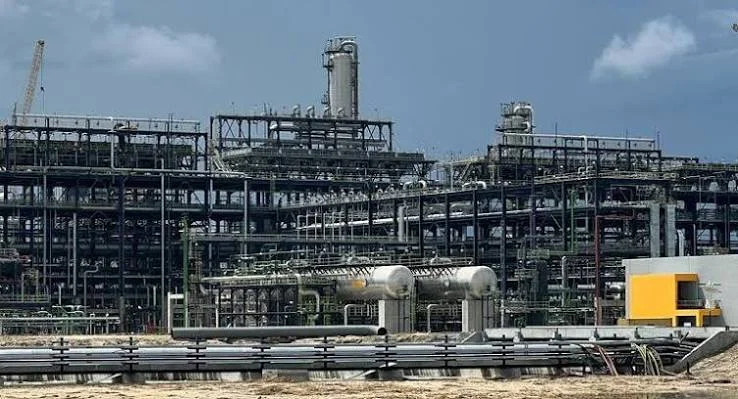
The price adjustment coincides with a significant drop in international diesel import costs. Data from the Major Energies Marketers Association of Nigeria (MEMAN) indicates that the estimated spot landing cost of diesel fell by N127.28 per litre over two days, dropping from N1,823.68 on September 30 to N1,696.40 on October 2. Consequently, the new Dangote refinery price is only N3.60 above the recorded spot import-parity cost. Furthermore, the refinery’s diesel is now priced between N75 and N85 per litre cheaper than imported alternatives, which landed at between N1,775 and N1,785 per litre according to MEMAN’s October 5 bulletin.
Global crude oil markets experienced volatility during this period, with Brent crude falling to approximately $98 per barrel on Tuesday before recovering to around $100. West Texas Intermediate (WTI) crude also declined, trading below $90 per barrel, with specific data points showing a rate of $88.23. These movements occurred amid broader market concerns linked to the Middle East conflict and efforts by major producers to maintain adequate global supplies. The easing of tensions has contributed to a stabilization in oil markets, influencing downstream product pricing.

Impact on Domestic Market
The reduction is expected to exert downward pressure on depot prices and influence diesel pricing across Nigeria’s domestic market. Diesel is a critical input for the economy, powering trucks, factories, farms, mines, and generators. For businesses that rely heavily on self-generated electricity and bulk diesel for operations, the lower cost may help reduce transportation expenses and ease inflationary pressures. The move highlights the growing pricing power of the 650,000-barrel-per-day refinery, which has been steadily increasing domestic supplies since commencing operations, thereby reducing Nigeria’s historical dependence on imported refined petroleum products.
In its official notice, the refinery stated that corresponding credit values for all unloaded gantry volumes affected by the downward adjustment would be communicated separately to customers. The pricing strategy signals a competitive shift in the downstream sector, as locally refined diesel becomes increasingly price-competitive against imports. This development contrasts with other African nations that remain heavily dependent on imported fuel, where prices are often driven by exchange rate pressures, taxes, and levies rather than local refining capacity.

The latest adjustment follows a previous reduction in diesel prices that also coincided with declines in international crude costs. By aligning its pricing more closely with import parity, the refinery aims to maintain market share while responding to favorable global energy trends. The convergence of domestic and import prices suggests a maturing fuel market structure in Nigeria, where local production plays a decisive role in determining final consumer costs.