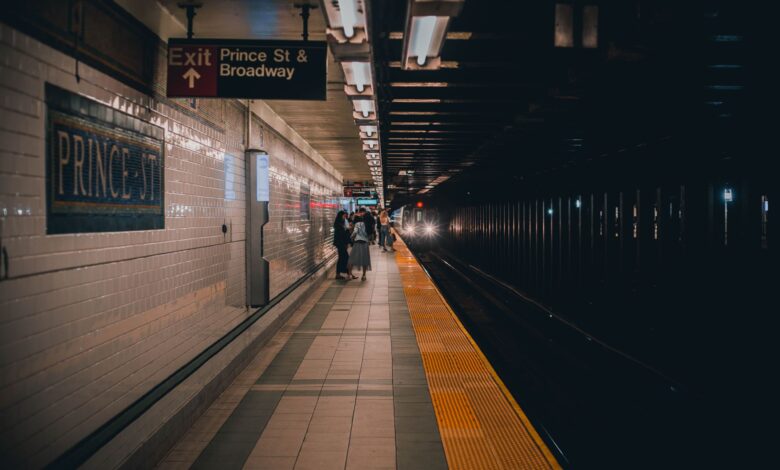
The agency’s estimate highlights the direct economic ripple effects of trade policy on municipal infrastructure. By raising the cost of imported inputs, the tariff regime effectively increases the capital and operational expenditure required to maintain and expand one of the world’s largest urban transit networks. The $1 billion figure represents a substantial addition to the MTA’s existing budgetary challenges, which have long included aging infrastructure and high labor costs.
The additional costs are primarily linked to the procurement of specialized equipment and components that are not manufactured domestically in sufficient quantities. As the MTA relies on global supply chains for critical transit hardware, the imposition of tariffs on these imports directly inflates unit costs. This economic shift complicates long-term financial planning for the agency, which must secure funding to cover both routine maintenance and major capital improvements.
For transit operators, increased input costs can constrain investment in modernization projects. The MTA had planned significant upgrades to its subway and bus systems to improve reliability and capacity. The projected $1 billion in extra expenses may force the agency to reallocate funds from new projects to cover basic operational needs, potentially slowing the pace of infrastructure renewal. This dynamic illustrates how macroeconomic trade policies can translate into localized fiscal pressures on public service providers.
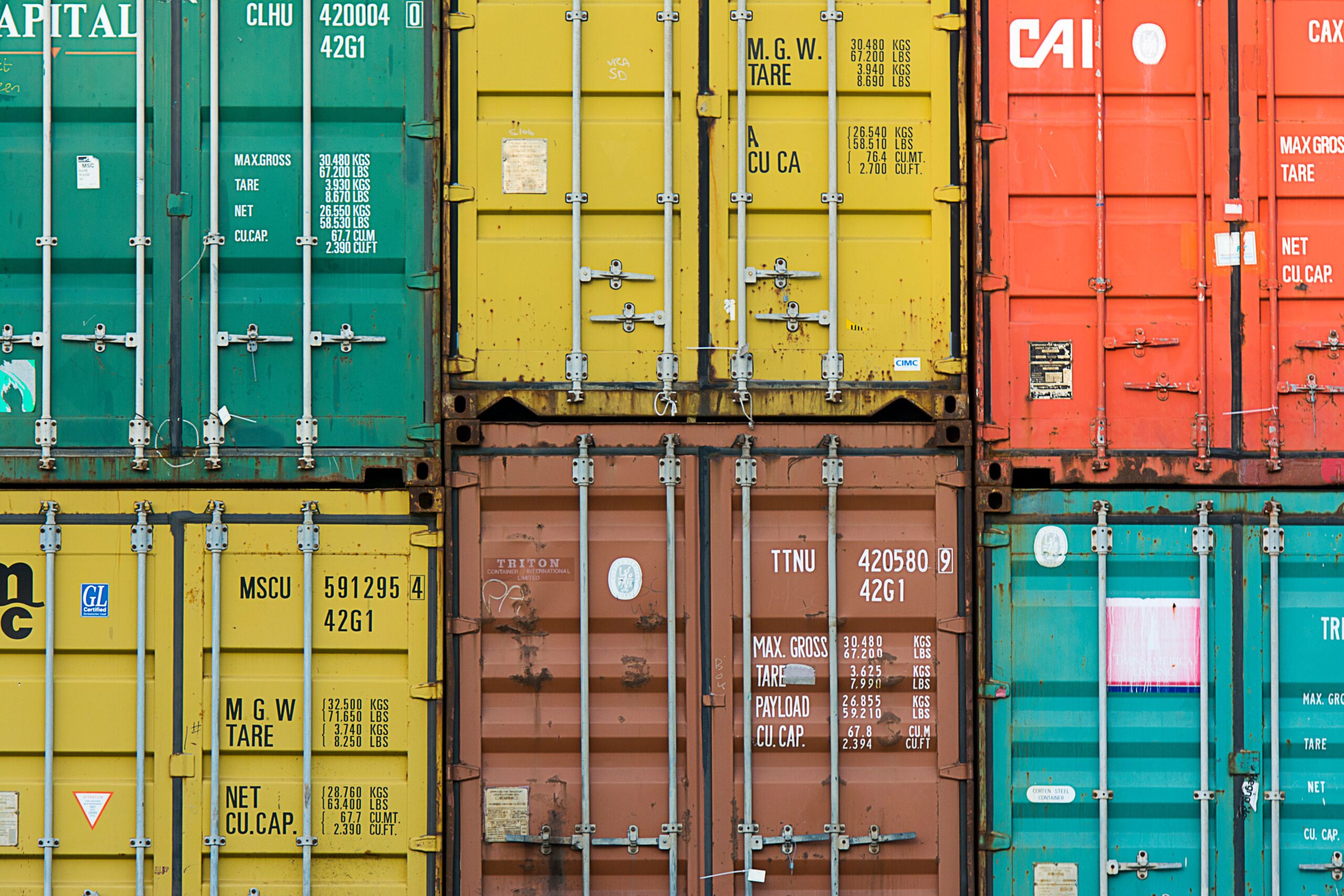
The impact on consumers and businesses in the New York metropolitan area remains indirect but significant. Higher operating costs for transit authorities can lead to fare increases or reduced service frequency if not offset by additional subsidies. For businesses relying on efficient transit networks for labor mobility and logistics, prolonged service disruptions or infrastructure delays caused by funding shortfalls could have broader economic repercussions.
The MTA’s projection serves as a case study for the broader economic implications of trade protectionism on public infrastructure. While tariffs are often intended to protect domestic industries by raising the cost of foreign goods, they can also burden public entities that depend on international supply chains for critical equipment. The agency’s estimate underscores the complexity of balancing trade policy objectives with the financial sustainability of essential urban services.
As the MTA prepares its upcoming budget cycles, the agency will likely seek additional state and federal funding to mitigate the impact of these increased costs. Negotiations with government partners will focus on securing supplemental appropriations or grants to ensure that the tariff-driven expenses do not compromise the reliability of the transit system. The outcome of these negotiations will be crucial in determining whether the $1 billion cost increase is absorbed through subsidies or passed on to riders and taxpayers.
The situation also raises questions about the long-term resilience of urban transit systems in a shifting global trade environment. Agencies may need to explore alternative sourcing strategies or accelerate domestic manufacturing capabilities for transit equipment to reduce exposure to tariff risks. However, such structural changes require significant time and investment, leaving the MTA and similar agencies vulnerable to near-term cost pressures.

In the immediate term, the MTA’s financial planning must account for the higher baseline costs associated with imported goods. The agency’s leadership has indicated that the $1 billion estimate is a preliminary projection based on current tariff rates and import volumes. As trade policies evolve and supply chain adjustments take place, this figure may be revised. The MTA will continue to monitor market conditions and supplier pricing to refine its financial forecasts.
The next phase of the MTA’s budget process will provide a clearer picture of how these additional costs will be managed. Stakeholders, including city and state officials, will review the agency’s funding requests in the coming months. The decision on whether to approve supplemental funding will be a critical test of the political will to support public transit infrastructure in the face of external economic pressures.
For now, the MTA’s projection stands as a stark reminder of the interconnectedness of global trade and local public finance. The $1 billion cost increase is not merely an accounting adjustment but a signal of the deeper economic challenges facing public infrastructure managers in a period of heightened trade tensions. The agency’s response to this challenge will have implications for the broader New York City economy and the quality of urban life for millions of residents.