


In contrast, the US crude oil benchmark, West Texas Intermediate (WTI), is projected to see a significant decline of around 7 percent for the week. This divergence between the two major benchmarks is driving a widening spread between Brent and WTI prices. The weakness in the American market is attributed primarily to soaring freight prices, which are increasing the cost of logistics and reducing the competitiveness of US crude exports. Additionally, uncertainty surrounding potential US policy actions, specifically the consideration of an export ban on diesel, has soured market sentiment for domestic petroleum products.
The widening Brent-WTI spread reflects structural differences in supply and demand dynamics between the global and US markets. While Brent prices remain supported by geopolitical premiums related to the Strait of Hormuz, WTI prices are being pressured by domestic economic factors, including high transportation costs and regulatory risks. The diesel market in particular is facing fears of constrained supply if export restrictions are implemented, further complicating the outlook for US refiners and exporters.

Diplomatic developments this week have not yet translated into a tangible reduction in crude oil prices. The opening of the UN General Assembly has sparked renewed talks aimed at ending Middle Eastern hostilities, but markets remain cautious. Investors are assessing the credibility and timing of any potential peace agreements before adjusting their risk exposure. Until concrete progress is made in these diplomatic channels, the geopolitical premium embedded in Brent crude prices is likely to persist.
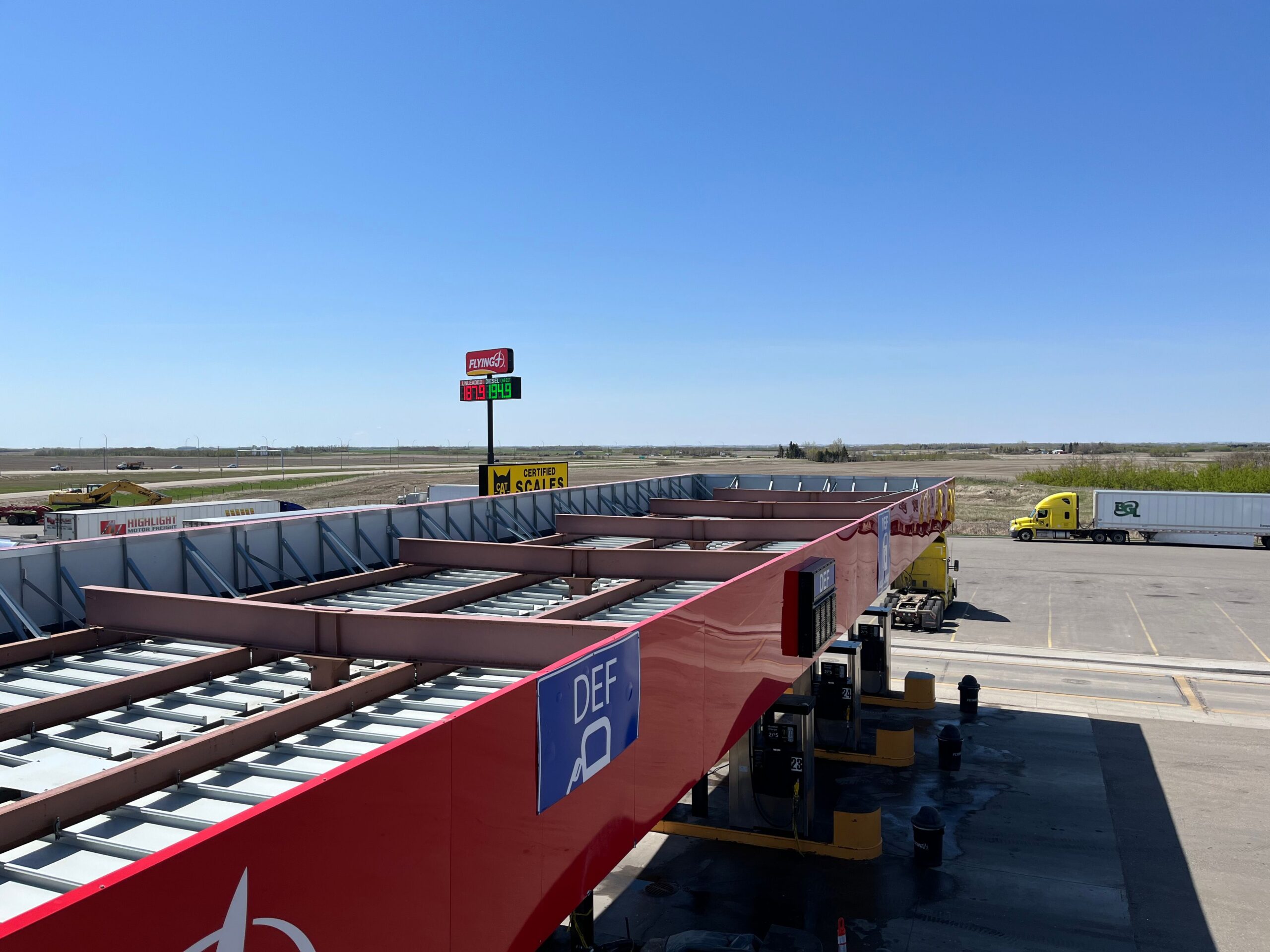
The freight cost surge is a critical factor in the current market environment. Higher shipping rates erode the margin for exporting US crude, making WTI less attractive to international buyers compared to Brent. This dynamic is exacerbated by the potential diesel export ban, which would further limit the volume of US petroleum products available on the global market. The combination of these factors is creating a bifurcated market where global prices remain elevated while US domestic prices face downward pressure.
Market participants are closely monitoring the next steps in both diplomatic and regulatory arenas. Any breakthrough in Middle East peace talks could lead to a rapid unwinding of the geopolitical premium in Brent prices. Conversely, formalization of US diesel export restrictions could solidify the current trend of domestic price weakness. The interplay between these two distinct forces will determine the trajectory of the Brent-WTI spread in the coming weeks.
The current market setup highlights the increasing complexity of oil price discovery in a fragmented geopolitical landscape. While traditional supply-demand fundamentals remain important, non-market factors such as shipping costs, diplomatic initiatives, and trade policy are now playing a decisive role in price formation. Traders and analysts are adjusting their models to account for these new variables, which are creating sharper divergences between regional benchmarks.
The next key data releases and diplomatic summits will provide further clarity on the direction of oil prices. If the UN-led diplomatic push yields tangible results, Brent crude could face significant downside pressure. However, if hostilities continue, the geopolitical premium is likely to remain intact. Meanwhile, the US market will continue to grapple with the impact of high freight costs and potential export bans, keeping WTI prices under pressure relative to global benchmarks.