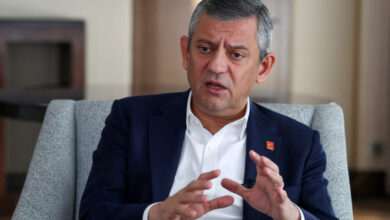

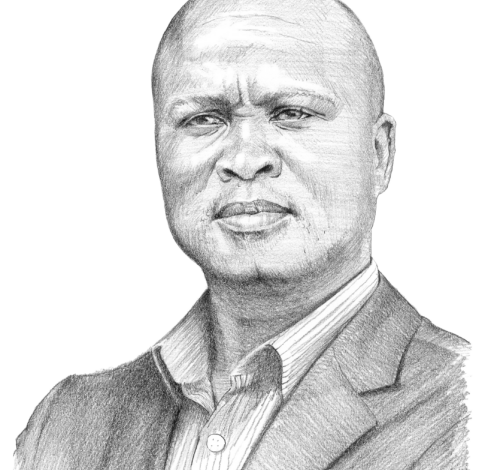
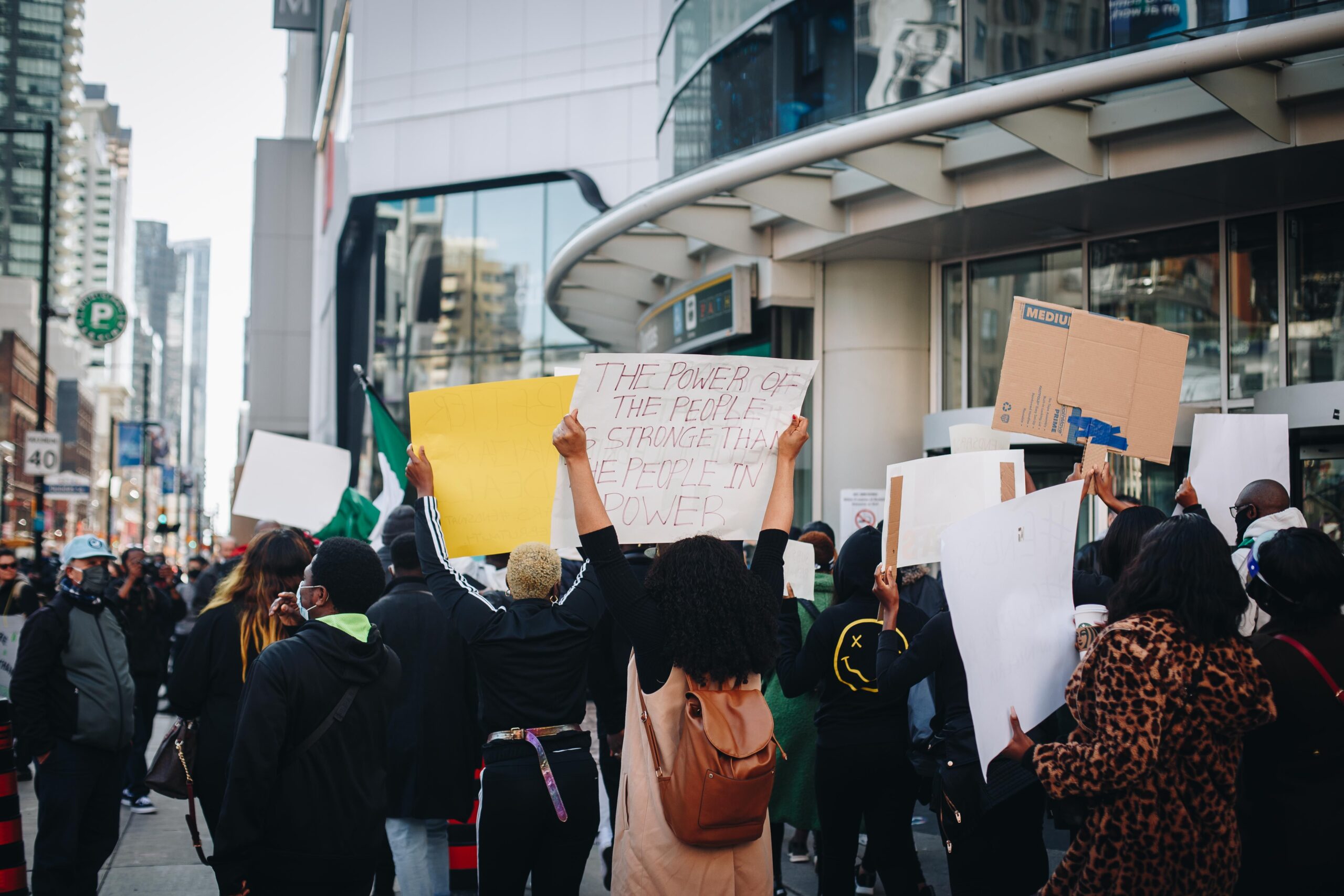
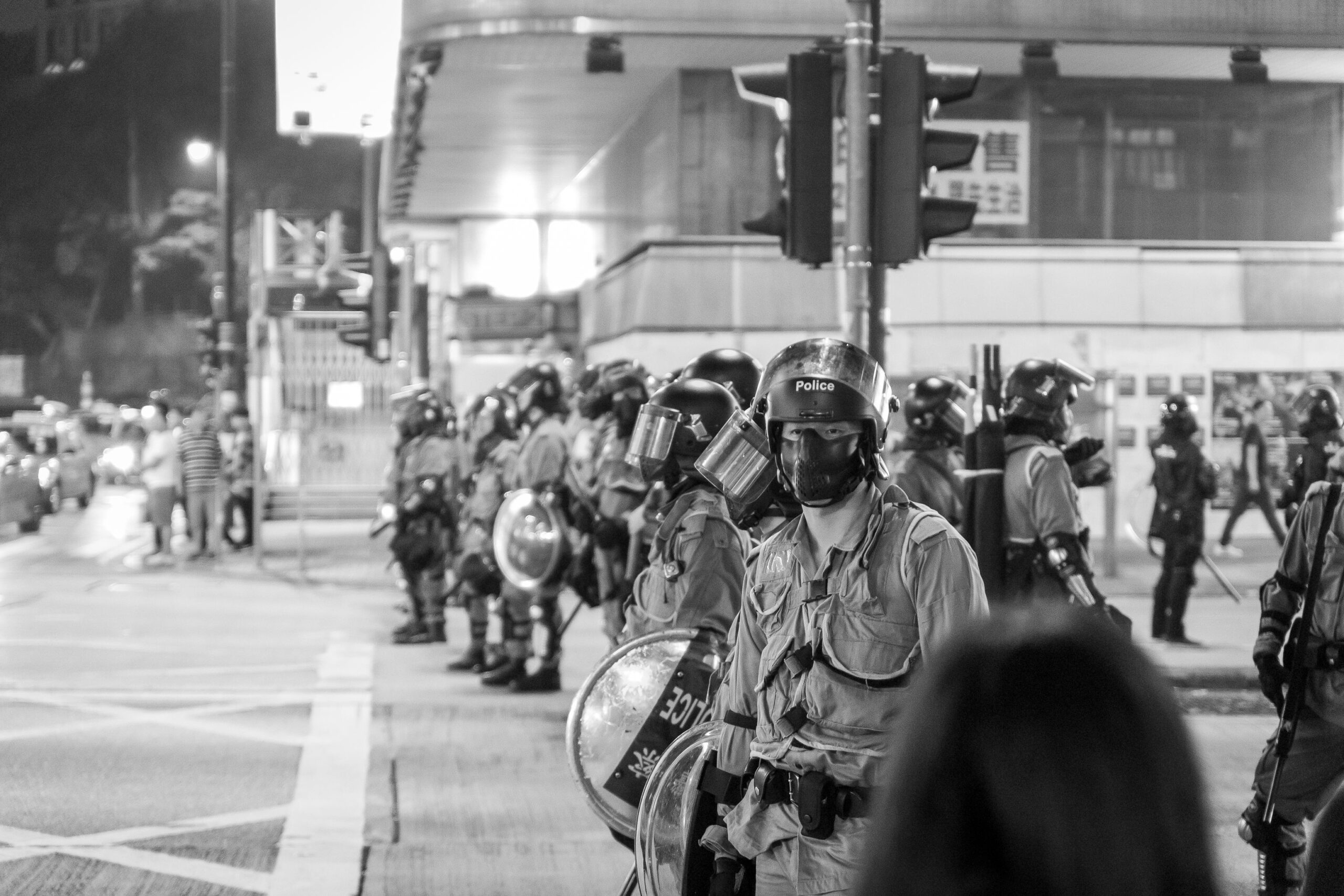
The judicial shift occurs amid a continued crackdown on civil society. On 15 July 2024, opposition lawmakers Mduduzi Bacede Mabuza and Mthandeni Dube received severe prison sentences of 25 and 18 years, respectively, for charges of “terrorism” and murder linked to the 2021 protests. These sentences follow a period of unprecedented state violence that began in May 2021, when unrest over police brutality and economic grievances spread from urban centers to rural areas. Activists report that nearly 70 people were killed during the initial clashes, leaving the country in a state of political limbo with no meaningful progress toward democratic reforms since the uprisings began.
Targeting of activists has extended beyond those in custody. Tanele Maseko, the widow of late human rights defender Thulani Maseko, who was killed in January 2023, has faced increased harassment and surveillance. In March 2024, Maseko was detained at the Ngwenya border with South Africa, where officials confiscated her phone and questioned her for four hours. The detention followed Prime Minister comments in January 2024 claiming she was obstructing justice after accepting a Magnitsky Human Rights Award on her husband’s behalf. International human rights organizations have urged authorities to cease such harassment and conduct an impartial investigation into Maseko’s murder.
Regional bodies have struggled to exert pressure on the monarchy. Although the African Commission on Human and People’s Rights (ACHPR) issued resolutions urging democratic reforms and the protection of civic space, these measures have not prompted substantial action from the government. At the 44th SADC Summit in August 2024, global calls for regional leaders to address Eswatini’s human rights crisis were largely unheeded. Eswatini was excluded from the SADC Organ Troika’s Agenda following a request by King Mswati III, a move that leaves pro-democracy defenders without a formal regional platform for redress.
The monarchy’s isolation is rooted in deep-seated socioeconomic challenges. With a national poverty rate exceeding 60 percent and unemployment above 40 percent, the population has grown increasingly dissatisfied with the status quo. King Mswati III, who holds absolute power, has faced international criticism for a lavish lifestyle financed by public funds. While SADC states are latecomers to democratization, with South Africa transitioning in 1994 and other nations like Botswana and Lesotho navigating their own political transitions, Eswatini remains an outlier. The SADC’s wait-and-see approach, driven by regional parties’ apprehension of popular democratic movements, has done little to ease tensions, raising concerns that the situation could erupt into further uncontrollable violence if reform talks do not resume.
South Africa, which shares cultural and linguistic roots with Eswatini and provided refuge to liberation activists during the anti-apartheid struggle, has not offered support for democratic reforms in the kingdom. President Cyril Ramaphosa responded to the crisis on behalf of SADC by stating that talks should occur among key players, but a concrete roadmap to end the political crisis has yet to be established. The opposition continues to push for a transition of power, warning that the current trajectory risks dragging the small kingdom further into instability.