
The tariff reduction represents a direct intervention in the ongoing trade tensions that have characterized bilateral relations in recent years. By targeting $30 billion in goods, the agreement aims to lower costs for importers and exporters in both countries. While the specific products and sectors affected by the tariff cuts were not detailed in the immediate announcements, the scale of the adjustment suggests an effort to restore predictability to supply chains and stabilize commercial exchanges. For businesses and consumers in both nations, this reduction is expected to ease pressure on prices and input costs, although the full economic impact will depend on the implementation timeline and the specific categories of goods included in the package.
Beyond trade, the summit produced notable progress on technology and security. Both governments agreed to set up a new channel for handling AI-related incidents. This development is significant given the rapid advancement of artificial intelligence and the growing concerns over safety, security, and the potential for unintended consequences in high-stakes applications. The establishment of this channel indicates a mutual recognition that robust communication mechanisms are necessary to manage risks associated with AI deployment and to address incidents as they arise. This dialogue complements existing technical discussions on AI standards and safety, adding a layer of diplomatic oversight to the sector.

In parallel, the two sides agreed to accelerate work on military crisis communications. Improving these lines of communication is widely viewed as a critical step in reducing the risk of accidental conflict or miscalculation between the two militaries. By enhancing the speed and reliability of crisis management channels, the US and China aim to build confidence and maintain stability, even amidst broader strategic competition. This focus on military transparency and communication reflects a pragmatic approach to managing security risks while pursuing economic cooperation.
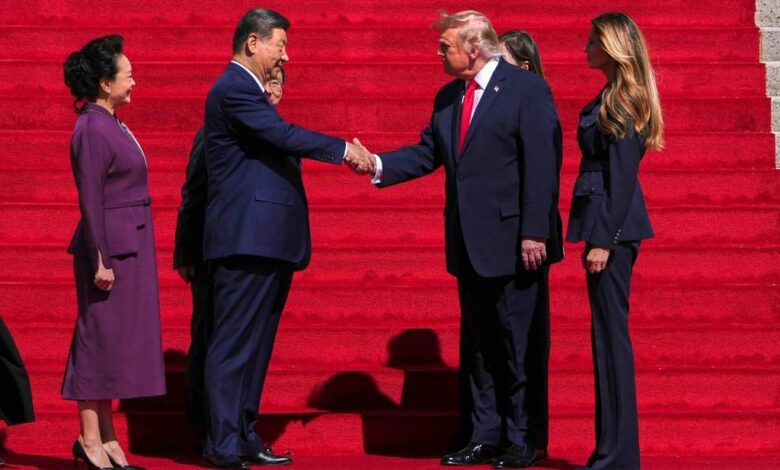
The eight-point consensus reached during President Xi’s visit underscores a broader diplomatic effort to reset relations between Washington and Beijing. The combination of trade relief, AI safety collaboration, and military communication improvements suggests a multifaceted approach to addressing the diverse challenges in the bilateral relationship. For policymakers, the agreement offers a framework for continued engagement, providing a structured path for resolving disputes and advancing shared interests.

However, the long-term sustainability of these agreements will depend on consistent implementation and the broader geopolitical context. Trade policies are often subject to domestic political pressures and economic cycles, meaning that the $30 billion tariff cut could face scrutiny or reversal if economic conditions change or if other areas of the relationship deteriorate. Similarly, the AI safety channel and military communication enhancements will require sustained investment and political will from both sides to remain effective. The success of these initiatives will likely be measured not only by their immediate outcomes but also by their ability to foster a more stable and predictable environment for international commerce and security.
As the US and China move to implement these agreements, observers will closely monitor the next steps in the trade negotiations and the operationalization of the AI and military channels. The coming months will be crucial in determining whether this summit marks a durable turning point in US-China relations or a temporary pause in an ongoing cycle of competition and cooperation. For now, the agreement provides a tangible boost to economic confidence and a clearer path for managing risks in critical technological and security domains.