
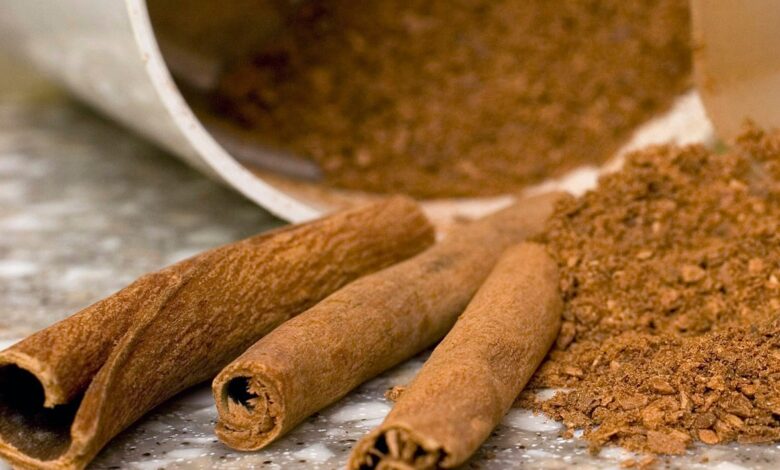
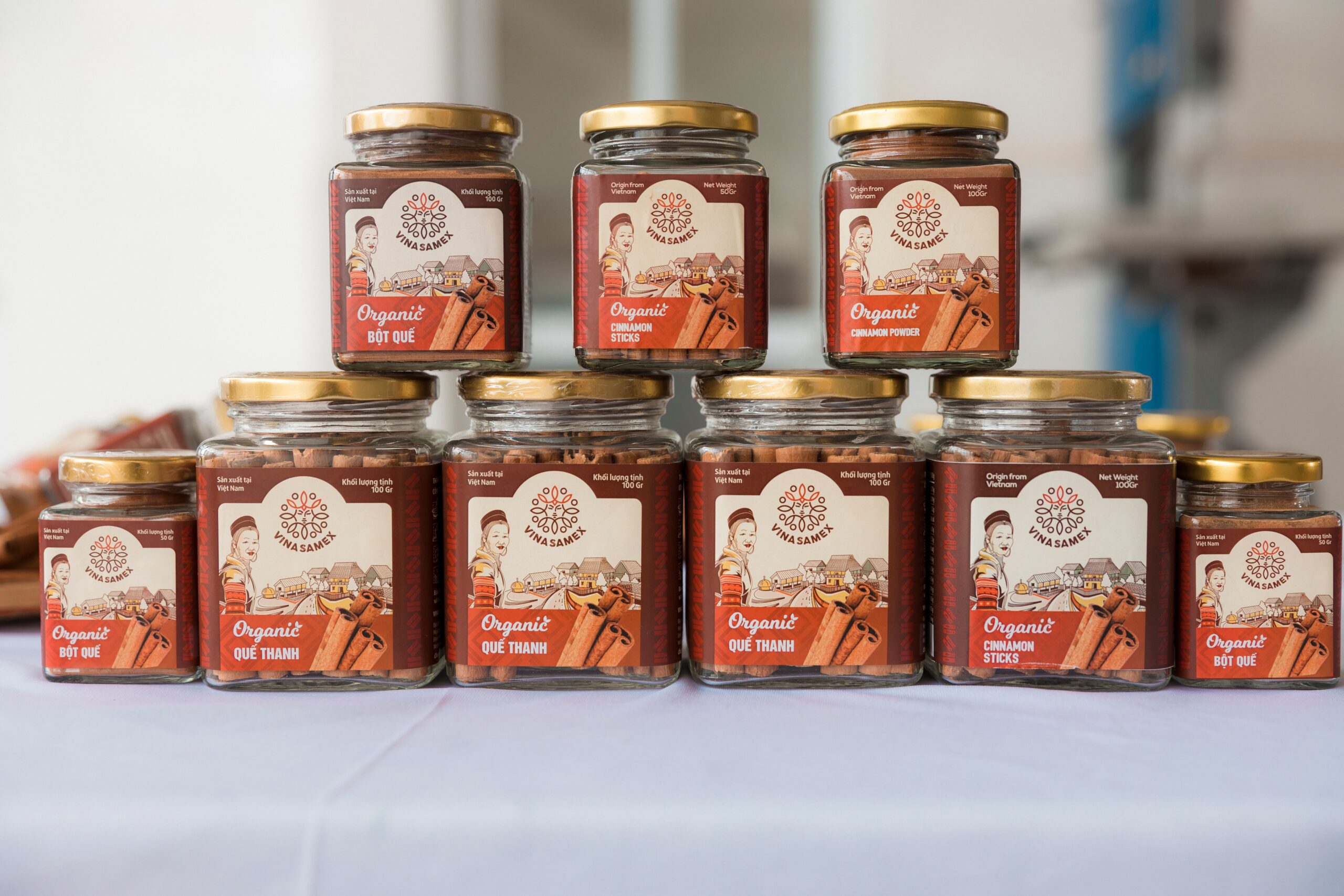
The expansion of the alert reflects a multi-year investigation into lead contamination in the spice aisle. The FDA first began investigating elevated lead levels in ground cinnamon in 2024, following testing by state health departments. As of October 10, 2025, the agency confirmed that products from brands including HATAE, Roshni, Jiva Organic, Super Brand, Asli, and others contain lead levels exceeding safety thresholds. In a separate, more recent development on December 9, 2025, TBD Distribution Corporate announced a voluntary recall of Lucky Foods Cinnamon Powder, a 40-gram pouch sold in 14 states, after samples collected by the New York State Department of Agriculture and Markets revealed elevated lead content.
Lead is a toxic substance present in the environment in small amounts, but exposure to larger quantities can cause lead poisoning. The FDA notes that while lead can affect nearly every bodily system, the severity of its effects depends on the amount of exposure, the duration of that exposure, and the age of the person affected. Short-term exposure to very low levels of lead may not result in immediate symptoms and might only be detectable through blood tests. However, the agency warns that acute or chronic exposure to higher levels can result in permanent damage to the central nervous system, kidney dysfunction, hypertension, and neurological effects.
Children remain the most vulnerable demographic. The FDA states that if a child is exposed to enough lead over weeks to months, permanent damage to the central nervous system may occur, potentially leading to developmental defects, learning disorders, and long-term health problems. This concern follows a significant incident in the fall of 2023 involving WanaBana brand cinnamon applesauce pouches marketed to young children, which contained between 2,270 and 5,110 parts per million (ppm) of lead. More than 300 children were confirmed to have suffered ill effects after consuming those products, prompting the FDA to step up targeted assessments of ground cinnamon for both lead and chromium.
The current contamination issue is part of a broader pattern of food safety recalls in 2025. In addition to the cinnamon alerts, federal officials have issued recalls for other products, including a recent action against Star Meat Delivery Inc. for approximately 167,639 pounds of raw beef, pork, and goat produced without federal inspection. Keith Schneider, a professor of food safety at the University of Florida’s Institute of Food and Agricultural Sciences, advises consumers to rely on trusted public health sources such as the FDA and the Centers for Disease Control and Prevention (CDC) rather than social media rumors. “There is no reason to automatically stop eating an entire category of food because one product has been recalled,” Schneider said, emphasizing the importance of checking specific batch numbers and UPC codes against official lists.
The scope of the cinnamon recall has grown due to a cooperative agreement with states known as the Laboratory Flexible Funding Model (LFFM). This partnership allows states to investigate, monitor, and remove adulterated foods from commerce. Data from this model, along with samples collected by the New York State Department of Agriculture and Markets, contributed to the recent updates. The FDA has recommended that firms voluntarily recall these products, though it noted it has been unable to reach Haitai Inc. USA regarding the HAETAE brand to share findings and request a voluntary recall.
Consumers are advised not to consume any of the listed cinnamon products. Those who have purchased affected items should discard them or return them to the original place of purchase for a full refund. The FDA continues to analyze cinnamon and review sample results from state partners who are continuously sampling ground cinnamon at retail locations. The agency will update its public health alert as necessary if additional products are found to contain unsafe levels of lead.