


The timing of the award is deliberate, coinciding with a period of intense scrutiny over the European Union’s strategic relevance in a shifting global order. The prize committee warned that Europe risks becoming “a pawn in the game of other powers” unless it secures its sovereignty through enhanced economic strength. By selecting Draghi, the committee underscored the view that his 2024 report, known as the Draghi Report, serves not merely as a policy document but as a blueprint for survival in a world that, in his own words, “is not kind to us” and “does not wait for slow, collective rituals.”
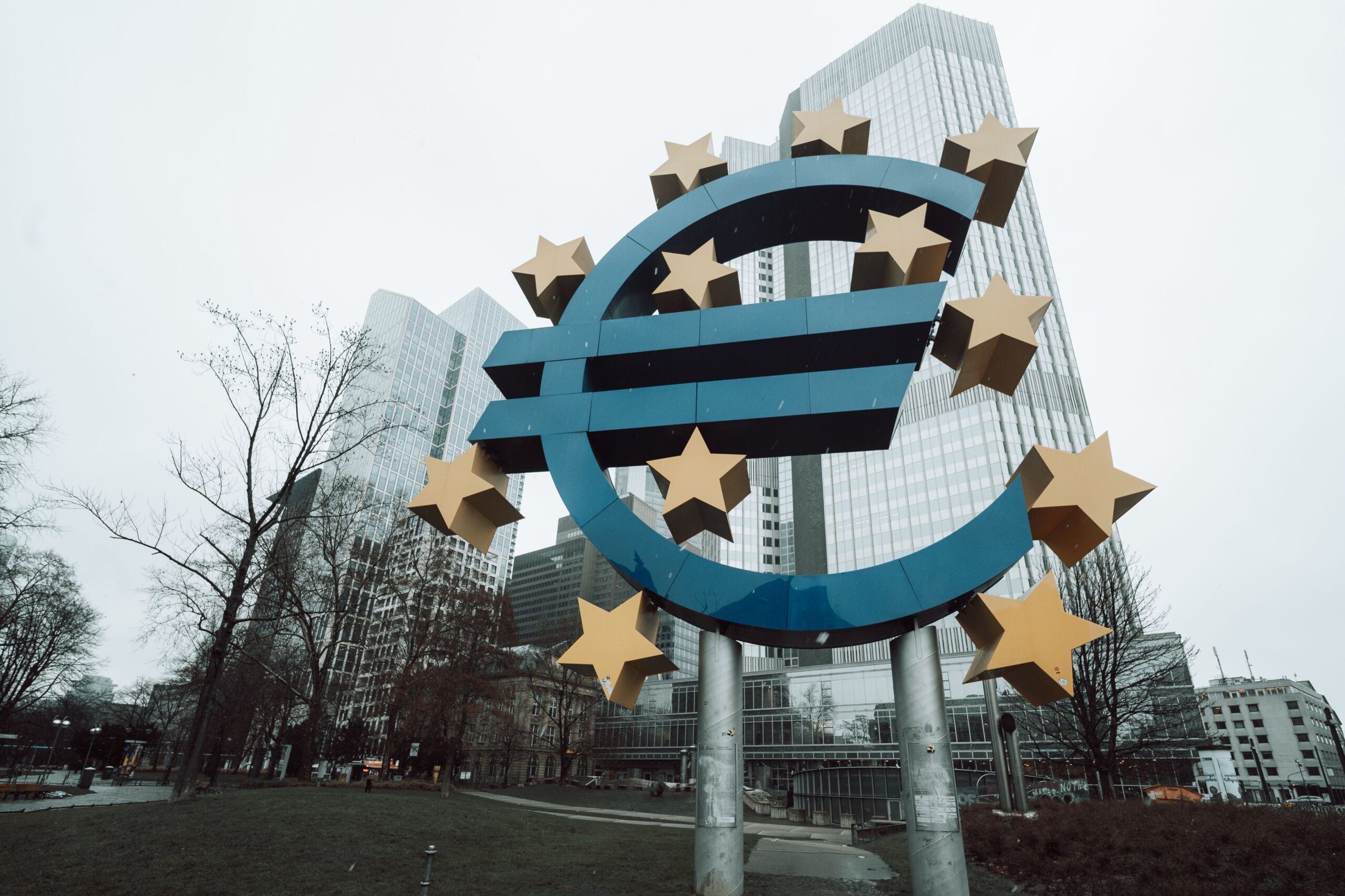
Draghi’s reputation as a stabilizing force was cemented during his tenure as president of the European Central Bank (ECB) from 2011 to 2019. Appointed during the height of the global financial crisis, he faced a sovereign debt crisis that threatened the collapse of the single currency. His 2012 pledge that the ECB would do “whatever it takes” to preserve the euro is widely credited with calming market panic and ensuring the currency’s survival. While critics have argued that subsequent policies, such as quantitative easing, kept interest rates too low for too long and reduced incentives for structural reform, many economic analysts maintain that the overall balance of his leadership was strongly positive. Francesco Papadia, a senior fellow at the Brussels-based think tank Bruegel, noted that Europe was “well served by having him at the helm… during very difficult times.”
Following his departure from the ECB, Draghi returned to Italy in 2021 to lead a government of national unity through the pandemic. His leadership in engineering an economic rebound was significant enough for *The Economist* to name Italy its “Country of the Year” in 2021, though German economists later warned of rising debt levels. In September 2023, European Commission President Ursula von der Leyen tasked Draghi with assessing the future of European competitiveness. The resulting report, published in September 2024, outlined more than 380 recommendations for radical change, arguing that the EU could no longer rely on past growth drivers and instead needed to focus on innovation, industrial policy coordination, and increased investment.
A Shift from Complacency to Action
Draghi has described the initial reaction to his diagnosis as one of “immense complacency” across the 27-member bloc. However, he recently indicated a shift in attitudes among EU leaders and business executives, who are increasingly aware that Europe lags behind the United States and China. Speaking at the 2026 SIEPR Economic Summit, Draghi expressed “cautious optimism” that the EU would begin taking necessary steps to shore up its competitiveness this year. He emphasized that the narrative of a European turnaround must start with innovation, noting that while 80 percent of research funding in the EU comes from government sources, the U.S. relies heavily on private-sector investment in high-tech sectors.
The Draghi Report has since influenced the European Commission’s strategic direction. In January 2025, the Commission presented the “competitiveness compass,” a five-year roadmap designed to restore Europe’s dynamism. This framework builds directly on Draghi’s analysis, aiming to address slowing productivity, demographic challenges, and rising energy costs. The report’s recommendations are now embedded in the Commission’s political guidelines and the mission letters for its members, signaling an institutional commitment to the reforms Draghi advocated.

Despite this institutional momentum, Draghi cautioned that “not much” has happened since the report’s release. He warned that without Germany’s increased defense spending and the frontloading of exports in response to new tariffs, Europe would currently be in recession. The prize committee has urged EU governments to implement the recommendations “immediately,” framing the economic agenda as essential for sovereignty in a harsher global landscape.
As Draghi, now 78, continues to shape the EU’s economic agenda from the sidelines, the central tension remains unresolved: whether the bloc can translate widespread awareness of its vulnerabilities into the decisive, coordinated action required to avoid what Draghi termed a “slow agony” of decline. The Charlemagne Prize honors his past successes, but the true test of his legacy lies in the EU’s ability to execute the difficult reforms he has prescribed.