
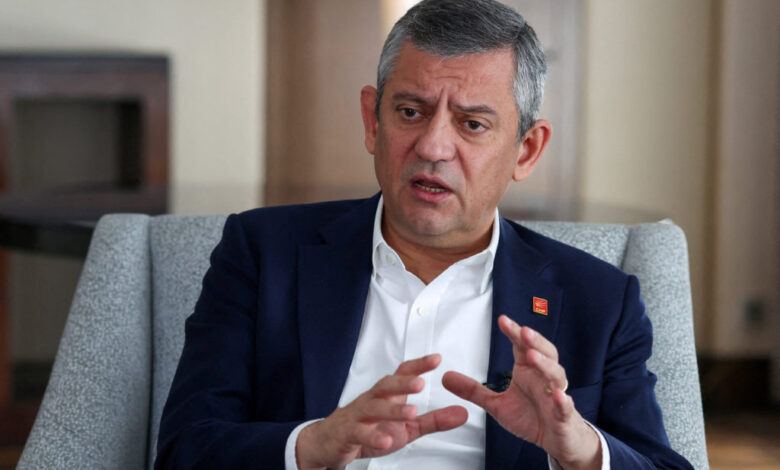
The new party holds 91 seats in parliament, placing it firmly behind the AKP, which commands 277 seats. The defection of such a large bloc from the CHP has drastically altered the parliamentary landscape. The CHP, previously the second-largest party with 135 seats, is left with just 44 lawmakers, including a small number of Ozel’s remaining backers. This reduction relegates the CHP to fourth place in the assembly, behind the pro-Kurdish Democratic Peoples’ Party (DEM), which holds 56 seats.
Ozel made the announcement in a speech to lawmakers and officials in parliament, stating that the new movement would become the primary opposition force “by a wide margin.” He described the establishment of the party as a decisive step toward governing Turkey, emphasizing unity among the deputies who chose to follow him. “May it be beneficial to our country, our nation, our party, and all of us,” Ozel said, marking the official beginning of the new political entity.
The creation of the Yeni Parti follows a turbulent period for Ozel and the CHP. In May, an appeals court annulled the 2023 party congress vote that had appointed Ozel as CHP chair, citing alleged irregularities and vote buying. The court order stripped Ozel of his title and reinstated Kemal Kilicdaroglu, a former party leader who is widely viewed as unpopular among the CHP’s base. Critics of the judicial decision described it as a politically motivated effort to weaken the opposition ahead of future elections.
Ozel’s political standing had risen significantly in the years leading up to his ouster. After winning the CHP leadership in 2023, he oversaw major gains for the party in municipal elections the following year. His profile increased further in 2025 when he became a central figure in mass protests demanding the release of Istanbul Mayor Ekrem Imamoglu, a CHP presidential candidate. Imamoglu faces a prison sentence exceeding 2,000 years on charges of corruption and terrorism. Ozel was widely perceived as a viable challenger to Erdogan’s two-decade rule, a status that was complicated by the judicial intervention in the CHP’s internal affairs.
The CHP, founded in 1923 by Mustafa Kemal Ataturk, has served as the main secular challenger to the conservative AKP, which has held power for six consecutive terms since 2002. The split between Ozel and the party leadership, exacerbated by the court’s decision, has left the traditional opposition fragmented. The CHP now faces internal divisions and ongoing judicial challenges, while the Yeni Parti moves to establish its institutional footing as the new primary opposition voice in the Turkish parliament.
The immediate consequence of the split is a reorganization of parliamentary dynamics in Ankara. With the CHP no longer holding the second-largest bloc, the AKP faces a different opposition structure. The Yeni Parti’s leadership has vowed to continue the fight against Erdogan’s government, leveraging its new parliamentary strength to challenge the ruling party’s legislative agenda. The next steps for the New Party will involve formalizing its internal structures and coordinating its opposition strategy with other parliamentary groups.