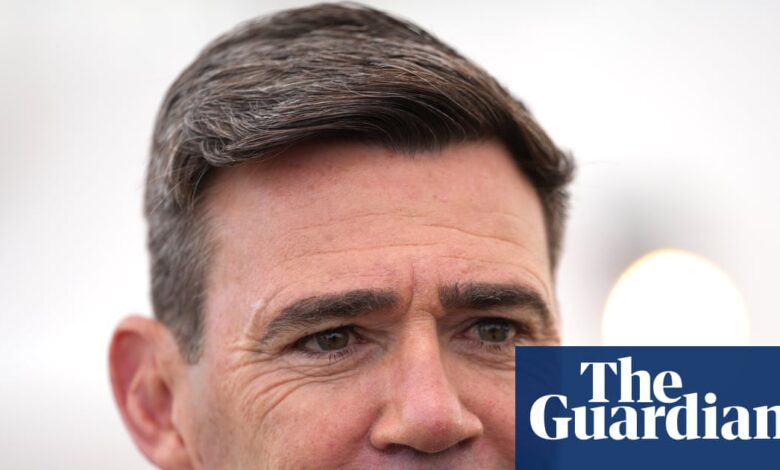
“I do think it is crucial to have stability and to show that there’s a willingness to face up to the reality of some of these difficult things,” Burnham said. “But actually from that stability, the permission can come to make bigger change that, in end, could put the country in a stronger position in relation to the public finances.”
The comments come as the UK economy faces intense inflationary pressure due to a series of global shocks, including the ongoing conflict in Iran. These external factors have pushed up borrowing costs, leaving the government with limited room for financial maneuvering ahead of next month’s budget. Burnham stated that while the situation is challenging, there are still actions the government can take, emphasizing that the issue is often whether political leaders are prepared to take them.
“There’s always things you can do; it’s just whether you’re prepared to do them,” Burnham said. “It’s challenging, definitely, but there are still things that you can do. Always in politics, there are things that you can do. The question is sometimes: Are you prepared to do them? Yeah, I am prepared to do them.”
Photo by Mikhail Nilov / Pexels
Burnham’s approach marks a distinct shift from the political environment surrounding his predecessor, Keir Starmer, whose two-year premiership ended in July. Since taking office on July 20, following a nine-year absence from parliament, the former Mayor of Manchester has sought to provide voters with “breathing space” from cost-of-living pressures exacerbated by the wars in the Middle East and Ukraine. His early actions have included cutting electricity bills, capping bus fares, and reducing business rates for pubs, clubs, and live music venues.
These moves have contributed to a shift in public perception. Burnham’s higher personal approval ratings, coupled with difficulties facing the hard-right Reform UK party, have helped Labour enter this year’s conference ahead in some opinion polls. This represents a sharp turnaround from the beginning of 2026, when the party was facing significant criticism over policy decisions made shortly after its election victory. Labour MP Paula Barker described the mood at the four-day gathering as “buoyant,” noting that things are moving in a better direction than in the previous two years.
Despite the positive political atmosphere, Burnham firmly ruled out holding a snap general election before 2029. He denied having had any internal discussions with his senior team about calling an early vote, stating that such speculation did not match the reality within the government. “The speculation in no way matches the internal discussion because there isn’t one,” he said. Instead, he emphasized that his focus is on setting out a clear path for national improvement rather than “endlessly running elections and referendums” or “sitting politicking and strategising.”
Photo by Monstera Production / Pexels
Burnham also addressed the constraints he has inherited from the previous administration. He acknowledged that he is hemmed in on tax policy by the fiscal rules and manifesto commitments established under Starmer’s leadership. While he suggested he might have framed those decisions differently had he been in charge, he stated that he is focused on the present moment rather than being self-serving or engaging in political games.
“I’ve inherited those positions and, as I say, I think the main thing for me is to focus on the here and now for people,” Burnham said. “Not to be self-serving about ‘oh, what would suit me?’ and playing politics. That’s not where my mind is… and that’s the reality.”
As the Labour Party gathers in Liverpool, the central theme will be the balance between immediate economic relief and long-term structural reform. Burnham’s message is clear: the government must first prove its ability to manage the economy and reassure markets of its fiscal discipline. Only then, he argues, can it claim the mandate to pursue the deeper changes he believes the country needs to ensure a stronger future for its public finances.
Laura Bennett covers political developments, elections, government policy, and major changes within political parties. Her work focuses on explaining the substance behind headlines, including how new proposals, legislation, and political decisions may affect the public. Laura brings a measured approach to fast-moving stories and relies on official information and credible reporting.