This event follows a series of other significant seismic activities recorded across Indonesia in recent days. On Saturday, the German Research Center for Geosciences (GFZ) detected a magnitude 6.2 earthquake striking Java at an even greater depth of 376 kilometers (234 miles). Like the Friday tremor, this Saturday event was classified as a deep-focus quake, and authorities reported no immediate damage or casualties. These two events highlight the consistent seismic volatility in the Java region, though the extreme depths typically mitigate risks to surface infrastructure.
The pattern of seismic activity extended further east earlier in the week. On Friday, a magnitude 6.2 earthquake occurred in the Banda Sea near Maluku Island. Indonesia’s geophysics agency reported the tremor struck at a depth of 143 kilometers (89 miles) and determined it posed no tsunami threat. No damage was reported from this specific event. These occurrences are part of a broader sequence of significant earthquakes that have impacted Indonesia’s eastern regions, including a more destructive event in the Flores area.
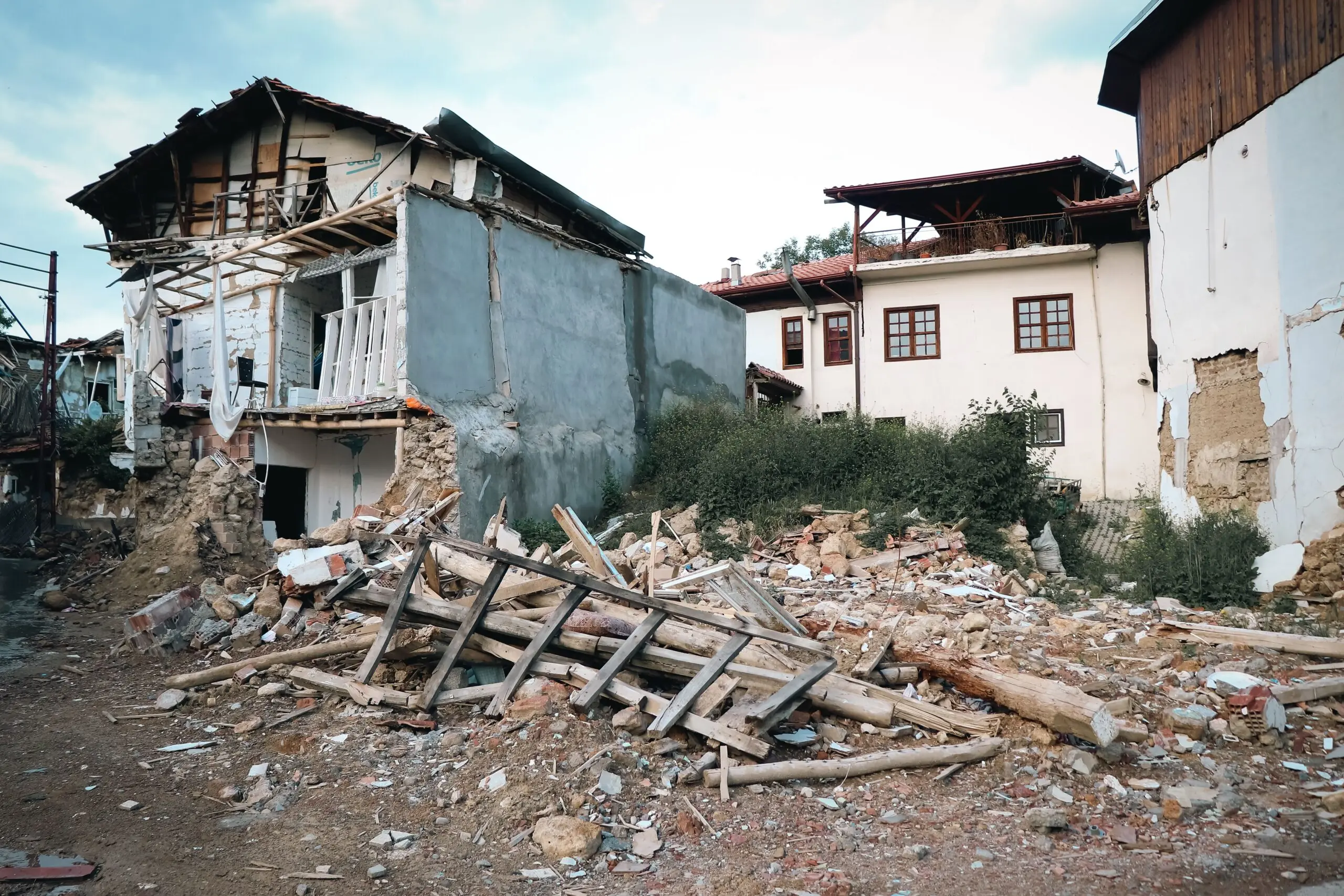
In eastern Indonesia, a powerful magnitude 7.7 earthquake struck off the coast of East Nusa Tenggara, triggering a secondary magnitude 6.9 tremor hours later. The main quake’s epicenter was located approximately 60 kilometers north-northwest of Ende on Flores Island, at a shallow depth of about 10 kilometers. This shallow depth allowed the seismic waves to reach the surface with much greater force, leading to significant structural impacts. Indonesia’s National Disaster Management Agency (BNPB) confirmed that at least 53 people were killed, with dozens more injured. The destruction was substantial, with more than 300 houses destroyed or damaged. Critical public infrastructure was also affected, including 87 educational facilities, 18 health facilities, six government offices, and five places of worship.
The eastern Indonesia event initially triggered a tsunami warning from the Meteorology, Climatology and Geophysics Agency, prompting precautionary evacuations. Approximately 2,000 residents in Nagekeo Regency on Flores Island moved to higher ground as a self-evacuation measure following the early warning alerts. However, the tsunami warnings subsequently expired without a major wave event being confirmed. Emergency response teams, including members of the Indonesian National Armed Forces, have been deployed to conduct evacuations, rescue operations, and damage assessments in the hardest-hit areas of East Nusa Tenggara.
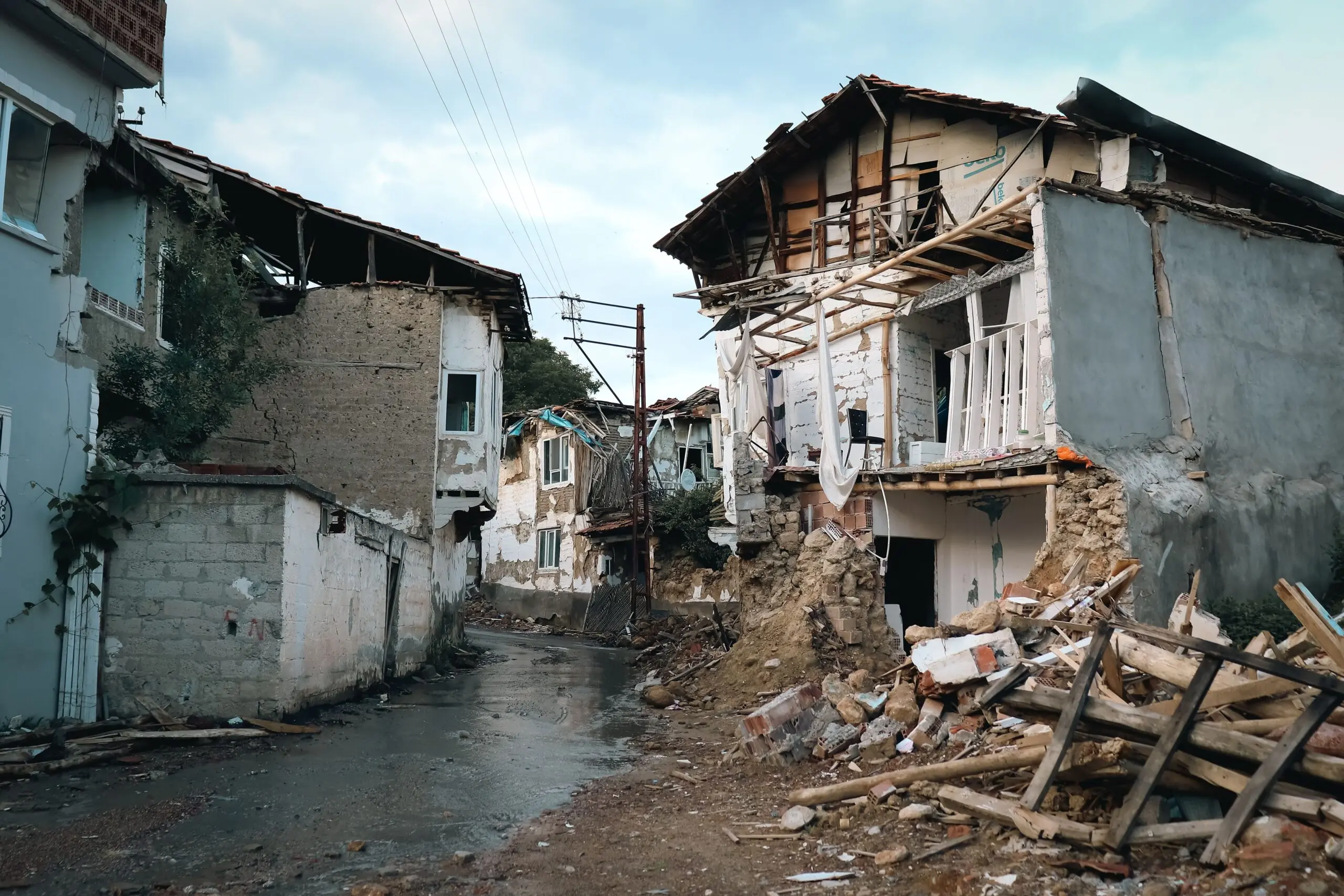
The contrast between the recent deep-focus quakes in Java and the shallow, destructive tremors in eastern Indonesia underscores the varied geological risks present across the archipelago. While the deep earthquakes in Java posed minimal immediate threat to life and property due to their epicentral depth, the shallow magnitude 7.7 quake in Flores resulted in significant loss of life and infrastructure damage. Authorities continue to monitor the region for aftershocks, particularly in the eastern provinces where the initial impact was most severe.
Seismologists note that Indonesia’s location at the intersection of multiple tectonic plates makes the country prone to frequent and varied seismic events. The recent series of quakes, ranging from deep-focus tremors in Java to shallow, destructive events in the east, illustrates this ongoing geological activity. Monitoring agencies continue to track seismic data to provide timely warnings and assess the potential for further significant events in the coming days.