
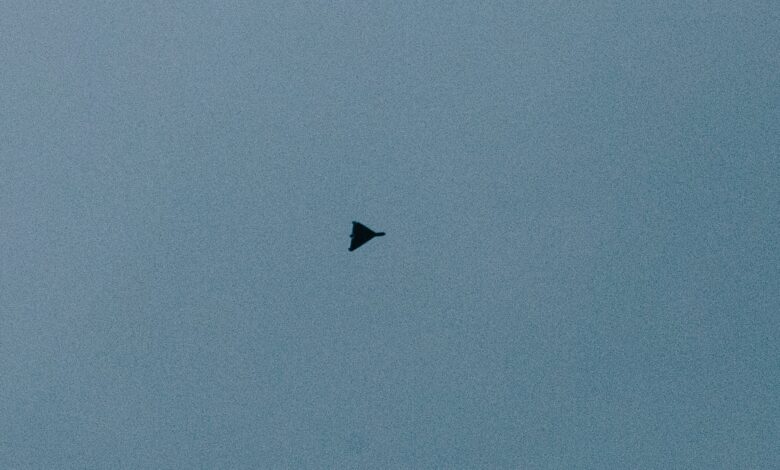
This incident marks a significant escalation in the frequency and consequences of Russian drone activity near NATO borders. While Russian officials have consistently denied responsibility for munitions entering neighboring nations, stating they are targeting military and energy sites in Ukraine, the pattern of incidents suggests a growing operational risk to allied territory. The Romanian Defense Ministry stated that there is currently no evidence to suggest Moscow deliberately targeted locations within Romania. Instead, the ministry indicated that the swelling tally of incursions correlates with an increase in Russian attacks on Ukrainian targets located along the Danube River and the Black Sea coast, areas in close proximity to the Romanian frontier.
Statistical data from the Romanian Defense Ministry highlights the accelerating trend. As of August 17, Russian drones had violated Romanian airspace 23 times in 2026. This figure already surpasses the 18 incidents recorded across the entire period from 2022 to the end of 2025. Furthermore, drones or fragments of them were recovered on Romanian territory 27 times this year, a substantial increase compared to the 16 discoveries in all of 2025. Four suspected Russian drones were confirmed to have been shot down in Romanian airspace this year, including one on August 16 near the Moldovan border.
The geographic and strategic positioning of Romania places it at the forefront of the conflict’s spillover effects. The country’s border with Ukraine is demarcated by the Danube River, which links to the Black Sea—a theater of intense maritime activity where both Ukrainian and Russian forces expand attacks on commercial and military shipping. The proximity of Ukrainian targets to the border has resulted in 54 Russian attacks near the frontier this year, more than double the 28 recorded in all of 2025. Consequently, NATO air-policing missions have become a routine necessity. In a similar incident on September 8, a suspected Shahed-type drone entered Moldovan airspace from Ukraine, forcing the scrambling of Spanish F/A-18 jets from Mihail Kogalniceanu Air Base in Romania. The drone eventually crashed in Moldova, approximately 25 kilometers east of the Romanian border.
Operational Responses and Strategic Implications
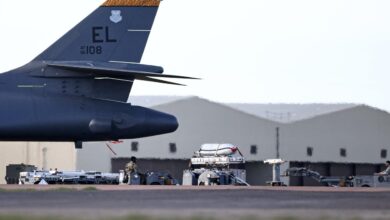
NATO has framed these incursions as part of Moscow’s broader “hybrid warfare” strategy, designed to pressure Ukraine’s allied backers. The alliance’s response has involved coordinated scrambles of fighter jets in both Polish and Romanian airspace. During the latest wave of strikes, which included 161 drones and cruise missiles launched at Ukraine, Polish and Romanian jets were deployed to ensure safety. In one instance, Polish jets scrambled for approximately an hour to monitor strikes on western Ukraine without recording any violations of Polish airspace. Romanian F-16s similarly responded to targets maneuvering near the border town of Valkove, with alerts concluding after about an hour without incursions.

The logistical and political constraints facing NATO are evident in the defensive posture adopted. While air defenses have intercepted or suppressed the majority of incoming drones during large-scale attacks on Ukraine, the inability to prevent stray drones from crossing into allied territory remains a vulnerability. The Romanian government has emphasized that the increased number of incidents appears to be a byproduct of the war’s intensity rather than a deliberate attempt to attack NATO infrastructure. However, the physical presence of Russian-origin drone fragments on allied soil continues to erode the clear demarcation between the war in Ukraine and the security of the NATO flank.
The human consequence of these technical failures is increasingly tangible, as seen in the injuries sustained in Galati. For now, the focus remains on maintaining robust air-policing missions and enhancing air defense capabilities to mitigate the risk of further accidental or intentional breaches of sovereign airspace.