

The incident unfolded during a routine training flight involving four F-16s. According to German air traffic control authorities, the exercise was conducted with two aircraft remaining in the designated training area while two others departed to return to Spangdahlem. It was during this return leg that one of the two inbound aircraft crashed. The remaining aircraft involved in the exercise landed safely at Ramstein Air Base, another major US Air Force installation in Germany, ensuring no further incidents occurred during the mission.
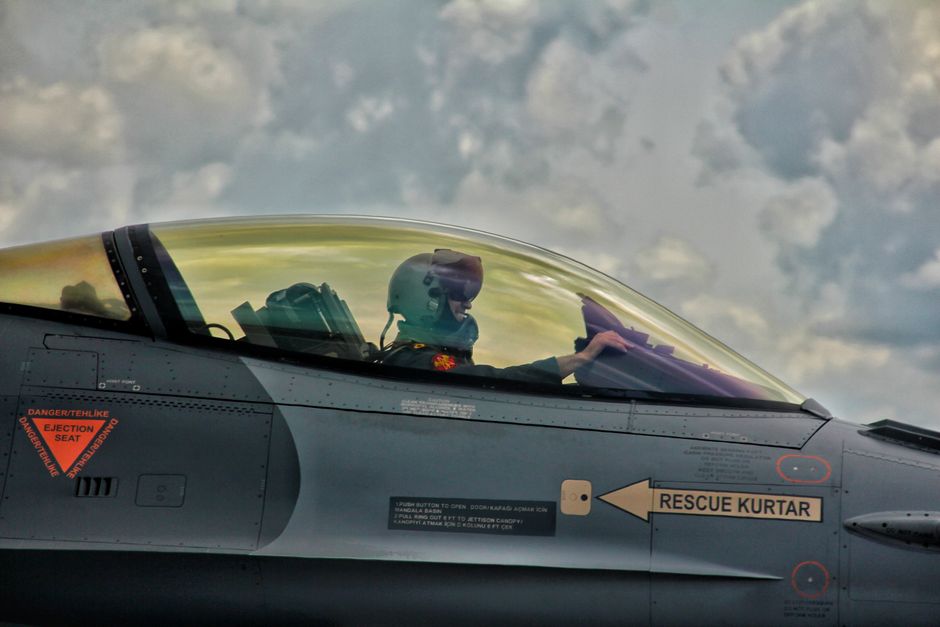
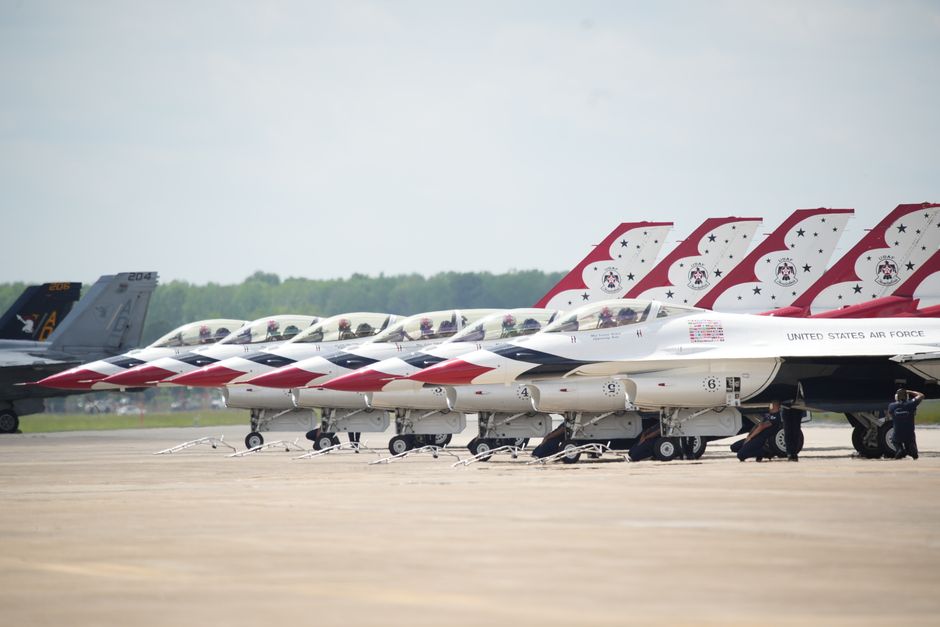
The F-16 Fighting Falcon is a multirole fighter aircraft widely deployed across US and allied air forces. It is capable of executing both air-superiority missions and precision strikes against ground targets, making it a cornerstone of US tactical aviation in Europe. The deployment of these aircraft to Spangdahlem and Ramstein underscores the US commitment to maintaining rapid-response capabilities and interoperability with NATO partners in the region. The crash, while resulting in no fatalities, raises immediate questions regarding the operational readiness and safety protocols associated with high-tempo training environments.
US military officials stated that the cause of the crash is currently under investigation. Emergency response personnel were dispatched to the scene to secure the area and manage the aftermath of the impact. The investigation will likely focus on mechanical failures, pilot actions, or environmental factors that may have contributed to the loss of the aircraft. Until the findings are released, the specific technical reasons for the crash remain unverified.
The geographic and logistical context of the incident is critical to understanding the operational implications. Spangdahlem Air Base serves as a primary hub for US Air Forces in Europe, supporting a wide array of strategic and tactical missions. The proximity of the crash site to the base and the subsequent landing of other aircraft at Ramstein highlight the coordinated nature of US air operations in the region. The safe ejection of the pilot and the successful landing of the other three F-16s indicate that the broader training mission was aborted or redirected efficiently to preserve the remaining assets and personnel.
For US and allied forces, such incidents serve as a reminder of the inherent risks associated with operating advanced fighter jets in complex training scenarios. The F-16’s ability to operate in diverse mission sets demands rigorous maintenance and pilot proficiency, particularly when conducting exercises that involve multiple aircraft and varying phases of flight. The investigation will be crucial in determining whether systemic issues exist that require corrective action to prevent future accidents.
The crash occurred against the backdrop of heightened European security concerns, where the US Air Force plays a pivotal role in deterrence and defense. While the incident itself does not appear to have compromised ongoing operations, it underscores the continuous challenges faced by military aviation in balancing operational tempo with safety. The US military has emphasized that the pilot is stable and receiving the necessary medical attention, with no further immediate threats to personnel or infrastructure reported.
As the investigation progresses, attention will turn to the specific circumstances surrounding the approach phase of the crashed F-16. German air traffic control noted that the aircraft was on approach when the incident occurred, a phase that typically involves high pilot workload and critical system checks. The collaboration between US military investigators and local authorities will be essential in reconstructing the timeline of events. For now, the focus remains on supporting the pilot and ensuring the safety of all personnel involved in the subsequent response efforts.
The incident serves as a sobering reminder of the operational realities faced by military aviators. While the safe ejection of the pilot is a positive outcome, the loss of the aircraft represents a significant resource and safety concern. The US Air Force will likely review its training protocols and maintenance standards in light of this event, aiming to reinforce the safety culture that is vital for sustained operational effectiveness in Europe.
The crash at Spangdahlem stands as a stark illustration of the risks inherent in modern military aviation. As the investigation continues, the broader implications for US air operations in Germany will be closely monitored by both military and political stakeholders. The next confirmed development will likely involve the release of preliminary findings from the investigation, which will provide clarity on the cause of the crash and any necessary changes to operational procedures. In the interim, the US military maintains its focus on mission readiness and the well-being of its personnel.
