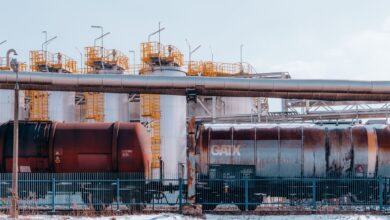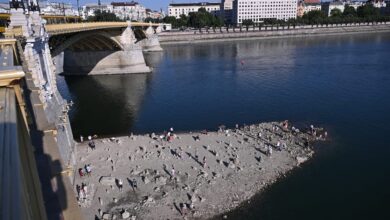
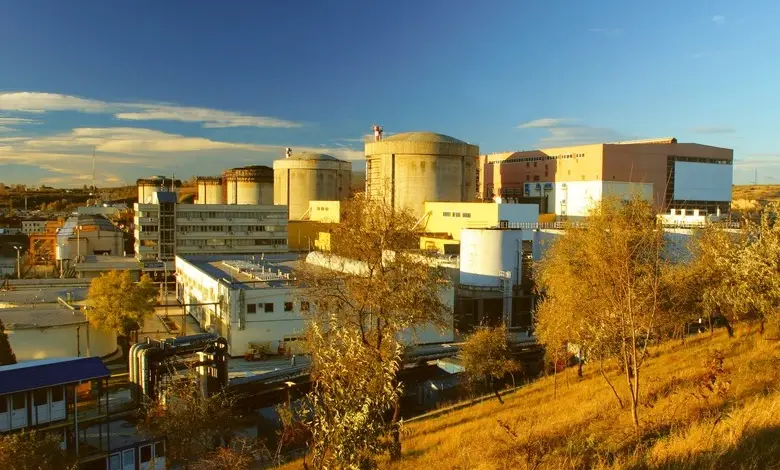
The facility’s two units have been offline since 28 July and 13 August, respectively. The prolonged period of scorching heat and low rainfall has left the river at levels insufficient to maintain safe operational parameters for the nuclear cooling systems. Nuclearelectrica emphasized that maintaining both units in a safe shutdown state has no impact on nuclear safety parameters, including those related to personnel, the environment, and the surrounding population. Despite the loss of this significant capacity, the Romanian Ministry of Energy indicated that estimates show the country’s electricity supply would be “fully covered by alternative sources and imports” following the cessation of operations at Cernavoda.
The operational crisis at Cernavoda has triggered unprecedented efforts by Romanian authorities to avert a total shutdown. After acting Prime Minister Ilie Bolojan announced a nationwide state of alert in the energy sector on July 31 for August, the government attempted to artificially raise water levels near the plant. This effort involved sinking four barges loaded with rock near the Danube’s Bala Canal, which the military blasted from the river using explosives. The barges were intended to create an underwater barrier to redirect water down the river’s main channel toward Cernavoda. However, these measures proved insufficient as the Danube’s water levels receded to below the threshold required to keep the second reactor operational.

Market Response and Strategic Cooperation
The operational halt at Cernavoda has had immediate repercussions in the financial sector, although market sentiment regarding the operator remains resilient. All Romanian share indices closed higher on Thursday, with Nuclearelectrica, the operator of the Cernavoda plant, leading the blue-chip winners on the Bucharest Stock Exchange. This market movement suggests investor confidence in the company’s long-term viability despite short-term operational constraints driven by climatic factors.
Amidst the immediate energy security challenges, Nuclearelectrica is simultaneously advancing its long-term strategic positioning in the global nuclear market. The company has signed a memorandum of understanding with Nucleoeléctrica Argentina, Argentina’s state nuclear company, to advance projects involving CANDU 6 nuclear power plant technology. This agreement marks another step forward in Argentina’s strategy to bring to the international market the capabilities developed over more than five decades of nuclear operations through specialized services, engineering, and technological solutions. The partnership highlights a broader trend of international cooperation to secure energy independence and diversify power generation portfolios in the face of volatile climate conditions.
The situation in Romania is part of a wider regional challenge affecting nuclear infrastructure dependent on river cooling. Authorities in neighboring Hungary are planning steps to raise the level of the Danube River to ensure the country’s only nuclear power plant, Paks, can continue operating. The Paks plant, which has been operational for 44 years, is on the brink of shutting down for the first time in its history due to similar drought conditions. The government of Romania has extended the state of energy emergency until November, acknowledging that Danube flows are expected to remain low for the interim period.
While the government has assured that alternative sources and imports will cover the supply gap, the shutdown underscores the vulnerability of river-cooled nuclear facilities to changing climate patterns. The interplay between immediate grid reliability, financial market reactions, and long-term technological partnerships defines the current energy landscape in the region. As the drought persists, the focus remains on maintaining grid stability through import mechanisms while diplomatic and technical channels pursue sustainable solutions for future nuclear capacity.