
The victim spoke in support of the official Ebola response strategy, a stance that placed them in direct opposition to widespread local skepticism. In many affected areas, residents have expressed doubt regarding the motives and methods of health workers, often viewing intervention teams with suspicion. This deep-seated mistrust hampers the ability of medical professionals to carry out essential tasks such as contact tracing, case identification, and safe burial practices. The killing of an advocate for the health response signals the high stakes involved in navigating these social tensions.
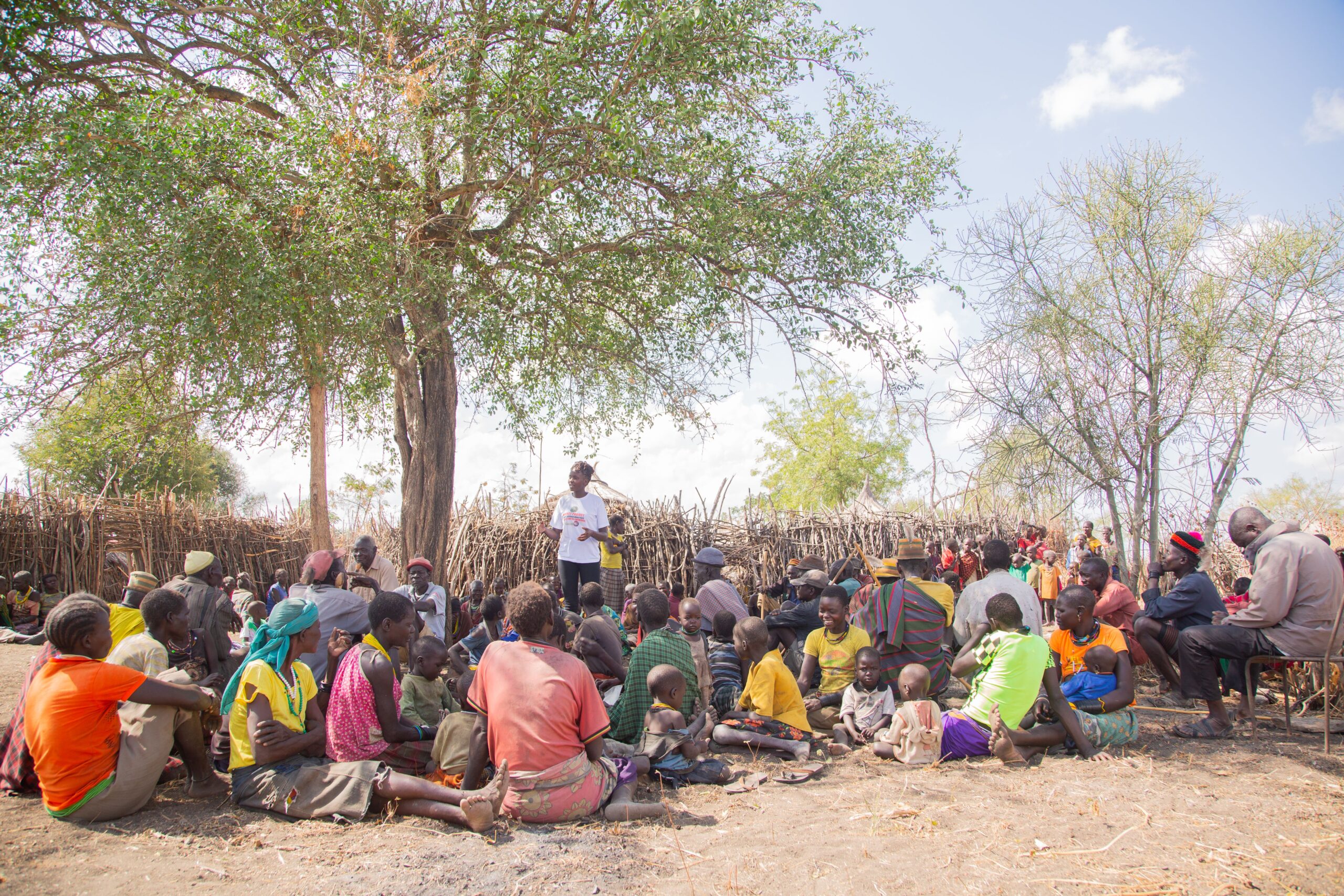
Public health officials have long emphasized that community confidence is a prerequisite for effective disease control. When populations perceive health interventions as intrusive or driven by hidden agendas, compliance with safety protocols drops, increasing the risk of further transmission. The incident highlights how political and social instability can intersect with health crises, creating an environment where both the physical spread of the virus and the breakdown of social cohesion accelerate. Trust-building measures, which typically involve sustained dialogue between health teams and community leaders, are currently being undermined by such violent reprisals against those who support the official narrative.
The assassination does not change the clinical nature of the Ebola virus, but it profoundly impacts the sociopolitical context in which it is being managed. Health agencies operating in the region must now contend with both the medical challenge of the outbreak and the heightened security risks faced by personnel and local collaborators. Without a restoration of trust, the efficacy of vaccination campaigns, isolation facilities, and public health messaging may remain limited. The event serves as a stark reminder that in humanitarian crises, the acceptance of aid and medical advice is as vital as the medical interventions themselves.
Future steps in managing the epidemic will likely require a dual approach: maintaining rigorous epidemiological surveillance while simultaneously addressing the root causes of community distrust. Engaging local intermediaries who possess credibility with the population is essential to bridging the gap between health authorities and the public. The outcome of these efforts will determine whether containment strategies can regain traction or if the outbreak continues to face resistance from communities that feel unheard or threatened by the response.