
The standard nonstop service from Dubai to Ben Gurion airport, typically a routine three-and-a-half-hour journey, was interrupted by what authorities have identified as a suspected terrorist attack. The pilot of the aircraft reportedly stabbed his co-pilot and may have attempted to crash the plane. Prime Minister Benjamin Netanyahu stated that the pilot’s actions suggest an intent to bring the aircraft down. This incident represents a critical shift in the operational threat landscape for commercial aviation, highlighting vulnerabilities in cockpit security protocols and the potential for a single individual to compromise the safety of an entire flight path.
The immediate military and operational objective following the collapse of control in the cockpit was the stabilization of the aircraft and the preservation of life. The technical reality of the situation was grim; post-incident photographs suggested that a large portion of the aircraft’s tail was missing, a structural loss that typically renders a plane uncontrollable. Despite this severe damage, the aircraft managed to limp to an emergency landing in Saudi Arabia. The survival of the passengers and crew in the face of such significant structural compromise underscores the resilience of modern airframe design, though the specific mechanics of how control was maintained or recovered remain a subject of ongoing investigation.
The human cost of the incident was profound, with passengers describing the cabin as a “bloody mess” following the assault. Almog Italie, one of the survivors, characterized the initial drop as extreme turbulence that did not exist, capturing the disorienting nature of the event. The chaos on board required immediate and coordinated action by the remaining crew and passengers to secure the cockpit and manage the injured. The intervention of these individuals was cited as the primary factor in averting a mass-casualty tragedy. While the exact sequence of physical confrontations is still being reconstructed, the consensus among survivors is that the collective response mitigated a potentially fatal outcome.
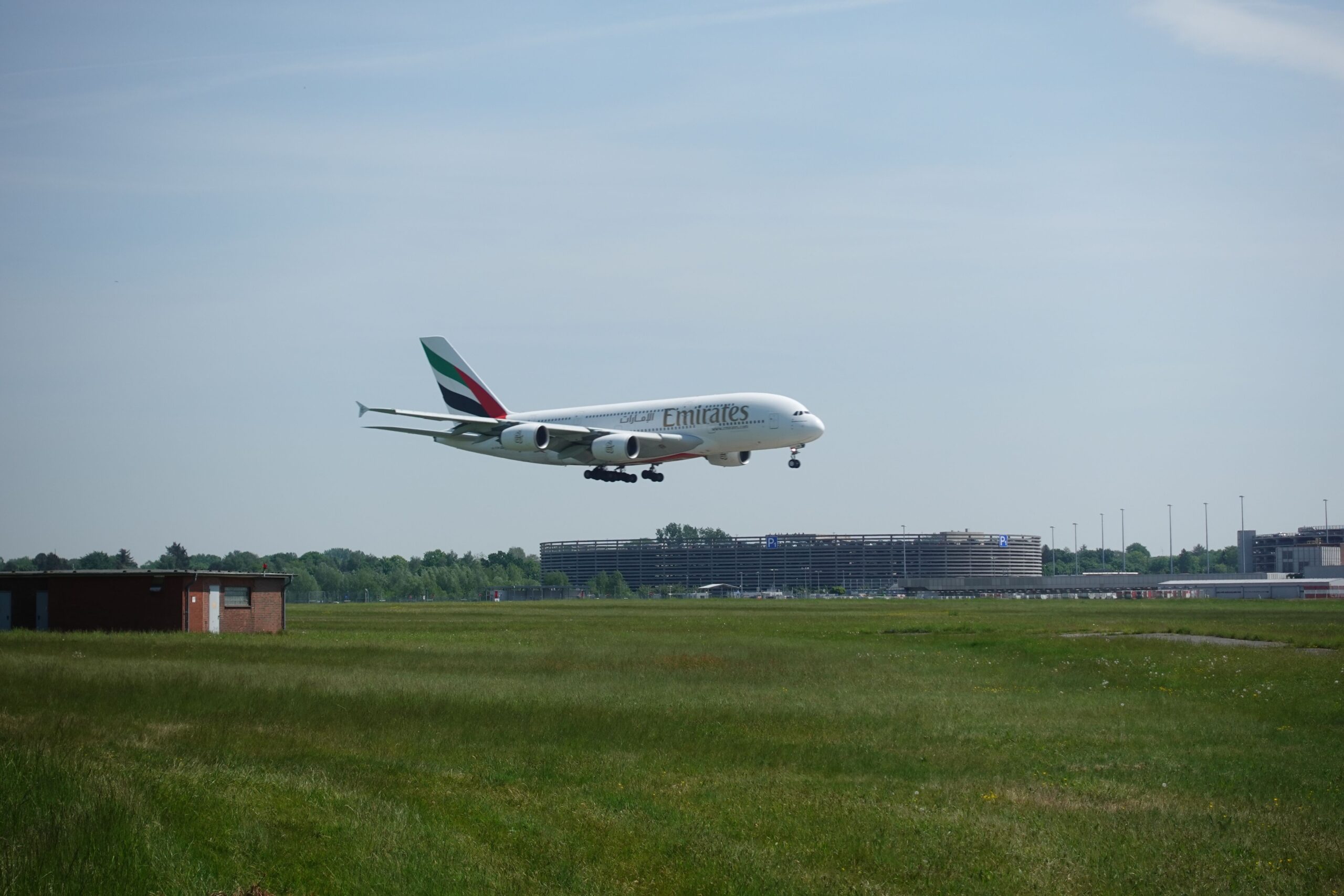
From a defense and security perspective, the incident raises significant questions regarding the hardening of cockpit doors and the training of commercial crews for hostile takeover scenarios. The logistics of the aftermath were complex, requiring the coordination of air traffic control, emergency services in Saudi Arabia, and aviation authorities in the UAE and Israel. The passengers did not land in Tel Aviv as scheduled. Instead, a replacement Flydubai aircraft was dispatched to carry the survivors to Israel, where they arrived safely. This logistical maneuver highlights the interdependence of regional aviation networks and the necessity of pre-planned emergency protocols for cross-border incidents.

The strategic implications of the event extend beyond a single airline. It serves as a stark reminder that the threat environment for commercial aviation remains dynamic, with potential actors capable of accessing critical flight control positions. The incident challenges the assumption that routine international routes are immune to targeted violence. While the specific motive and the full extent of the pilot’s injuries to the co-pilot are part of the ongoing judicial and security review, the broader consequence is a renewed scrutiny of aviation security standards globally. The event has forced a reassessment of how airlines and governments prepare for the worst-case scenario of a cockpit compromise.
As the survivors arrived in Tel Aviv, the focus shifts to the forensic investigation of the aircraft and the legal proceedings against the attacker. The next confirmed development will likely involve the release of black box data and the results of the structural analysis of the damaged tail section. For now, the incident stands as a testament to the fragility of air travel security and the decisive role that human intervention can play in the face of deliberate sabotage. The aircraft, with its missing tail, remains a physical testament to the magnitude of the threat that was narrowly contained.