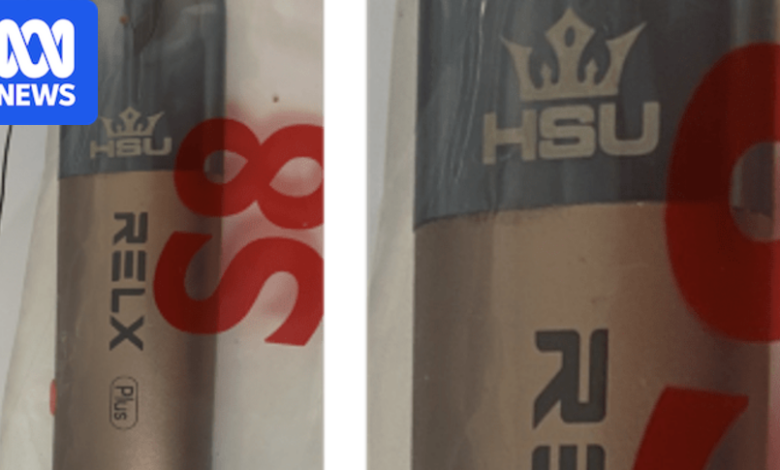
Etomidate is designed for clinical use to induce rapid-onset sleep and sedation during medical procedures. When inhaled through vape devices, however, it becomes a dangerous substance capable of causing confusion, vomiting, and a complete loss of consciousness. Victorian health authorities in Australia recently warned that vape products containing the sedative were being sold illegally in Melbourne. They cautioned that the effects could become life-threatening if combined with alcohol, opioids, or other sedatives. Repeated exposure to the substance may also interfere with the body’s stress hormone system, leading to weakness, dizziness, and collapse.
The threat has extended beyond Australia. In Thailand, the Department of Medical Sciences issued a severe warning after detecting a combination of methamphetamine hydrochloride and etomidate in a seized vape pod. The department’s director-general, Sarawut Boonsuk, stated that inhaling this specific mixture could have fatal consequences. This discovery was made after lab analysis of a clear orange liquid found in a pod cartridge in June 2026 revealed methamphetamine at 3.56 percent purity alongside the anaesthetic. In response, Thailand’s Food and Drug Administration reclassified etomidate from a specially controlled medicine to a Category 2 psychotropic substance in July 2025, citing evidence of its misuse in e-cigarette liquids.
Indonesia is also grappling with the surge in these illicit devices. The National Narcotics Agency (BNN) proposed regulating a ban on vaporisers under the narcotics and psychotropics Bill. This move follows the agency’s analysis of 341 vape liquid samples, of which 23 were found to contain etomidate, 11 contained synthetic cannabinoids, and one tested positive for methamphetamine. BNN head Suyudi Ario Seto argued that prohibiting vaping as a medium for drug abuse would significantly reduce the circulation of etomidate, which Indonesia has classified as a class-2 narcotic. He urged the country to emulate the firm stances taken by neighbouring ASEAN nations, including Vietnam, Thailand, Singapore, Brunei, and Laos, which have implemented vape bans as part of drug control measures.
Malaysia’s National Poison Centre has similarly sounded the alarm, noting that the vape industry has outpaced regulatory efforts. Dr Nur Azzalia Kamaruzaman, the centre’s director, highlighted that while Malaysia took nearly a decade to establish the Control of Smoking Products Act in 2024, the industry underwent dramatic transformations. Devices evolved from open refill systems to cheaper, more accessible disposable products, reaching vulnerable populations including children and adolescents. These devices are increasingly serving as vehicles for highly potent synthetic substances rather than just nicotine.
These illicit vapes are often marketed under deceptive names such as “space oil,” “k-pods,” or “zombie vapes.” In New Zealand, several individuals were hospitalised in late 2025 after using vapes laced with the substance on the black market. The health risks are compounded by the fact that many users may not be aware of the anaesthetic content, leading to unintended overdose scenarios when combined with other depressants. In Singapore, the crackdown has included harsh penalties for possession, including jail time, state rehabilitation, and caning, alongside a massive public health campaign warning citizens of the dangers.
As authorities in multiple countries tighten their nets, the focus remains on the rapid evolution of these devices. From the thorough inspections at Singapore’s borders to the legislative hearings in Jakarta, the response is unified in its severity. Health experts and regulators continue to monitor the substance, emphasizing that the presence of a clinical anaesthetic in consumer vape products represents a critical public health hazard that demands immediate and coordinated intervention.