
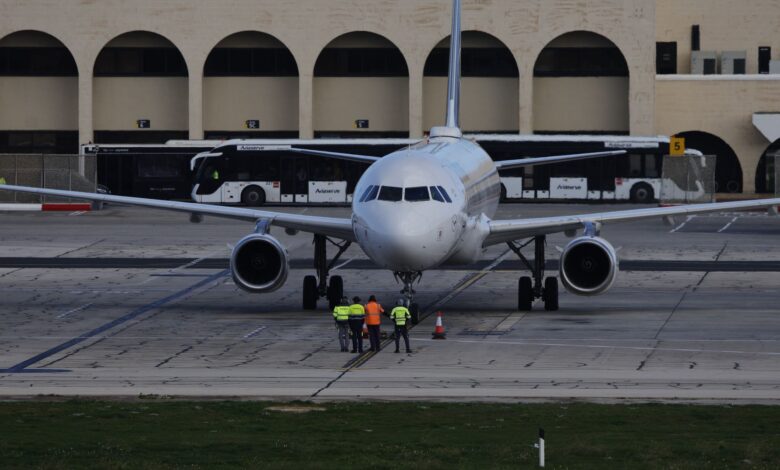
The central legal and operational issue surrounding the event is the lack of a consistent, verified account of the cause for the emergency landing. While the aircraft successfully landed and passengers were presumably disembarked, the discrepancy in early communications has increased ambiguity regarding whether the incident was driven by a mechanical failure, a medical emergency, or an external operational factor. In aviation law, the determination of the cause is critical for subsequent liability assessments, regulatory reviews, and insurance claims. Until an official investigation concludes, the exact nature of the emergency remains a matter of investigation rather than established fact.
As a UAE-based carrier, Flydubai operates under the jurisdiction of the General Civil Aviation Authority (GCAA) of the UAE. However, because the emergency landing took place in Saudi Arabia, the Saudi General Authority of Civil Aviation would also have a regulatory interest in the incident, particularly concerning the handling of the emergency on the ground and any potential airspace coordination issues. International aviation standards, governed by the International Civil Aviation Organization (ICAO), require that accidents and serious incidents be investigated by the state of registration (UAE) in cooperation with the state of occurrence (Saudi Arabia). This cooperative framework is standard for international flights and ensures that all relevant technical data, black box recordings, and witness statements are collected under a unified protocol.
The conflicting information noted in early reports highlights the challenges in managing public communication during the immediate aftermath of an aviation incident. In the absence of a formal preliminary report from the UAE’s Civil Aviation Authority, the specific allegations or suspected causes circulating in early communications cannot be verified. Legal experts note that until the official investigation report is published, any specific claims about the failure of a particular system or the actions of the crew remain unproven. The presumption in such cases is that the incident is under formal investigation, and no fault or liability can be assigned based on preliminary or inconsistent media reports.
For the airline and its operators, the immediate legal consequence is the obligation to cooperate fully with the investigation authorities. This includes preserving all flight data, voice recorders, and maintenance logs. The outcome of the investigation will determine if there are any regulatory violations, potential product liability issues if a manufacturer defect is identified, or operational errors. Passengers and crew members may also seek compensation for the inconvenience and distress caused by the diversion, though such civil claims depend heavily on the findings of the official inquiry. The next step in this process is the release of a preliminary report by the relevant aviation authority, which will outline the factual findings and any immediate safety recommendations.

The incident serves as a reminder of the complex regulatory environment governing international air travel. While emergency landings are a standard safety procedure designed to protect lives, the subsequent legal and operational review is rigorous. The discrepancy in initial reports underscores the importance of waiting for official, verified data before drawing conclusions about the cause of an aviation event. As the investigation proceeds, clarity on the specific factors that triggered the emergency landing will be essential for any future legal proceedings or regulatory changes.