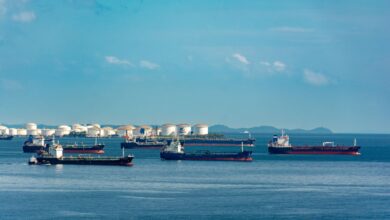
The death brings the total number of seafarer fatalities recorded by the International Maritime Organization since the outbreak of the war between the United States and Iran to 22. The incident occurred as the Islamic Revolutionary Guard Corps (IRGC) Navy reportedly issued warnings to tanker crews in ports or at anchor near Kuwait and Bahrain, stating they “will be targeted.” These threats appear to be in response to recent U.S. strikes on five Iranian vessels. The IRGC’s navy, reporting via the Fars news agency, has intensified its rhetoric regarding commercial shipping in the western Gulf.
Simultaneously, tensions flared near the Strait of Hormuz, a critical waterway through which approximately one-fifth of global oil flows. The United Kingdom Maritime Trade Operations (UKMTO) reported that a vessel anchored 38 nautical miles northeast of the UAE port of Fujairah was boarded by unauthorized personnel and has since been towed toward Iranian territorial waters. Fujairah is a major oil export terminal that has faced repeated attacks during the current conflict. It is not yet confirmed which specific vessel was seized or who carried out the operation.
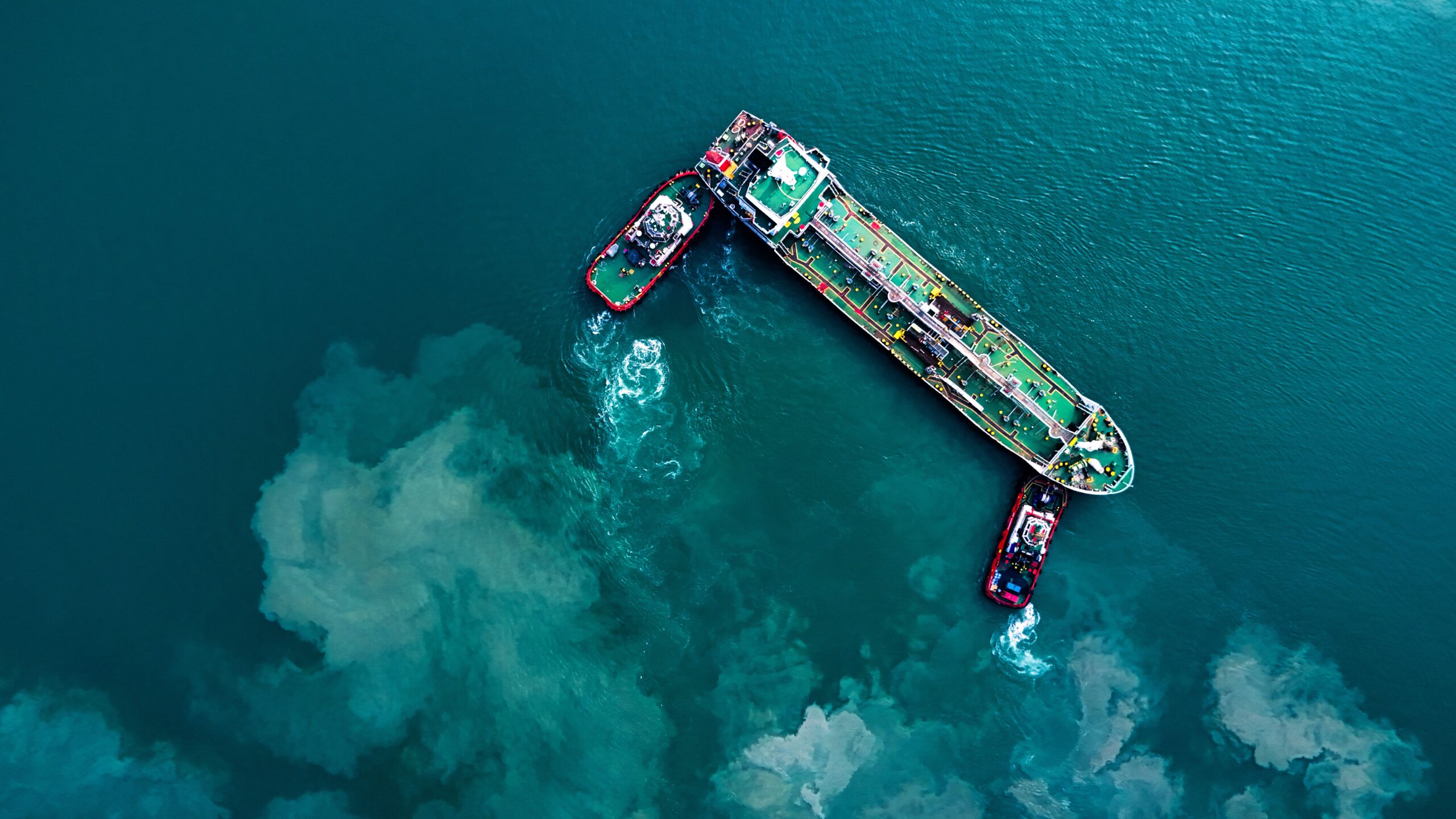
In a related development, an Indian-flagged cargo ship, the Haji Ali, sank off the coast of Oman after an attack sparked a fire while it was en route from Somalia to Sharjah, UAE. Indian authorities confirmed that all 14 crew members were rescued by the Omani coast guard and are safe. India’s foreign ministry condemned the incident as “unacceptable,” criticizing the continued targeting of commercial shipping and civilian mariners, though it did not identify the party responsible for the attack.
Amidst these disruptions, a Chinese Very Large Crude Carrier (VLCC), the Yuan Hua Hu, successfully navigated the Strait of Hormuz on Wednesday, ending a stranding of over two months in the Gulf. Ship-tracking data from LSEG and Kpler indicates the vessel is now anchored off the Gulf of Oman, near the area where the U.S. Navy has established a blockade on Iranian ships. This marks the third known passage by a Chinese oil tanker through the strait since the war began in late February. The transit followed diplomatic efforts by Iranian Foreign Minister Abbas Araghchi in Beijing and precedes high-level talks between U.S. President Donald Trump and Chinese President Xi Jinping, both of whom have emphasized the necessity of keeping the Strait of Hormuz open.
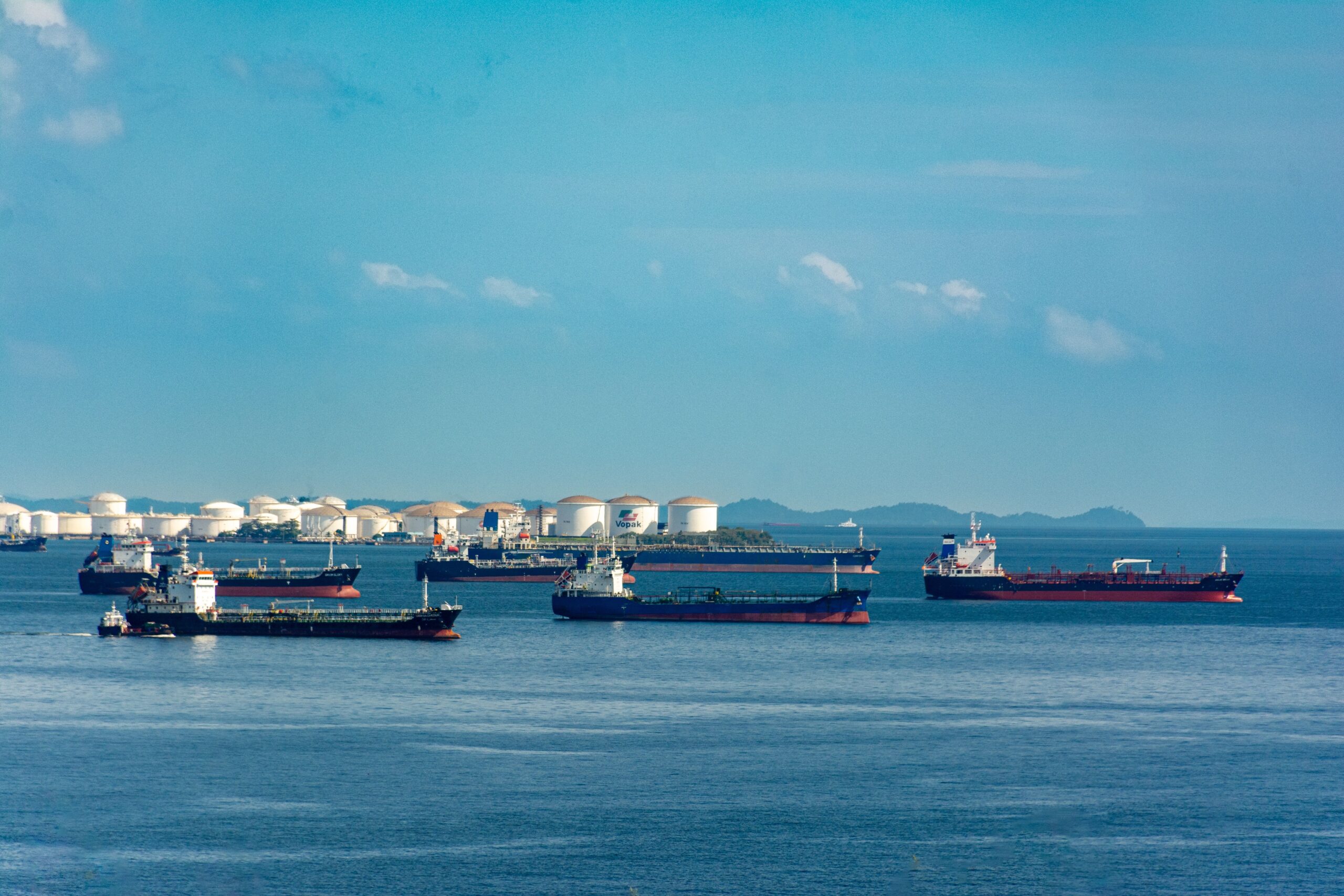
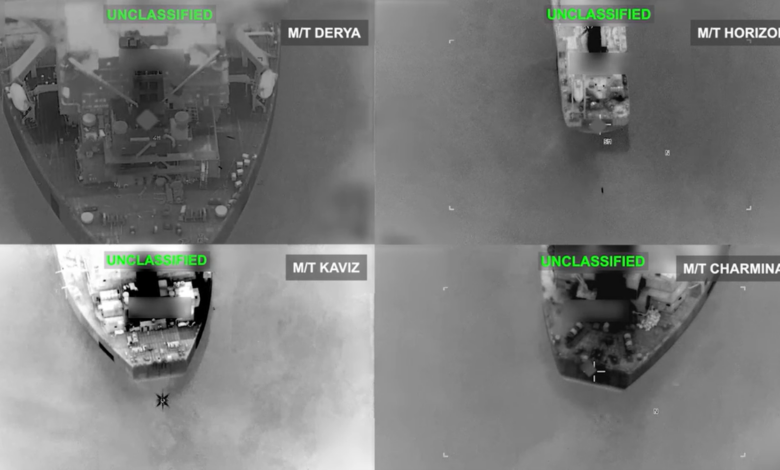
The recent surge in maritime incidents includes U.S. forces firing on and disabling Iranian oil tankers they alleged were attempting to breach the U.S. blockade of Iranian ports. These actions have further complicated negotiations between Washington and Tehran, with Iran asserting its right to seize tankers linked to the U.S. and reaffirming its control over the waterway. The instability has already jolted the global economy, contributing to significant spikes in fuel prices well beyond the Middle East.
The next critical operational milestone involves the ongoing search for the missing crew member from the Hercules Star and the resolution of the status of the vessel seized near Fujairah. Meanwhile, maritime authorities continue to monitor the strait for further unauthorized boardings or attacks as diplomatic efforts to secure safe passage continue.