
A Response to a Deepening Security Crisis
The vote concludes an extended plenary session marked by intense negotiations among various congressional caucuses. The move comes at a time when insecurity has become one of the most pressing challenges for the Peruvian state. Data accompanying the proposal highlights a stark deterioration in public safety over the past decade. Between 2018 and 2025, the number of homicides in Peru more than doubled, rising from approximately 1,000 cases to around 2,600. Reports of extortion, a hallmark of organized criminal activity, surged even more dramatically, increasing from roughly 3,200 incidents in 2018 to 26,500 in 2025.
President Fujimori, who campaigned on a tough-on-crime platform, had formally requested these legislative powers in late August. Since then, she has urged Congress to expedite approval, characterizing the current situation as a security emergency that requires swift executive action. The initiative was evaluated with priority by Congress, with President of Congress Miguel Ángel Torres Morales indicating in August that the request would be given precedence due to the state’s limited capacity to respond to both criminal threats and potential natural disasters.
Balancing Executive Speed and Legislative Oversight
Under normal circumstances, the Peruvian government must submit each proposed law to Congress for debate and approval. By granting these special powers, the legislature is effectively pausing its role as the primary lawmaker for specific policy areas. The delegation specifically targets the investigation and fight against organized crime, allowing for the modification of existing regulations without the usual delay of the full legislative cycle. Additionally, the powers extend to measures related to the prison system and immigration control, areas often cited as vulnerabilities in the fight against transnational criminal networks.
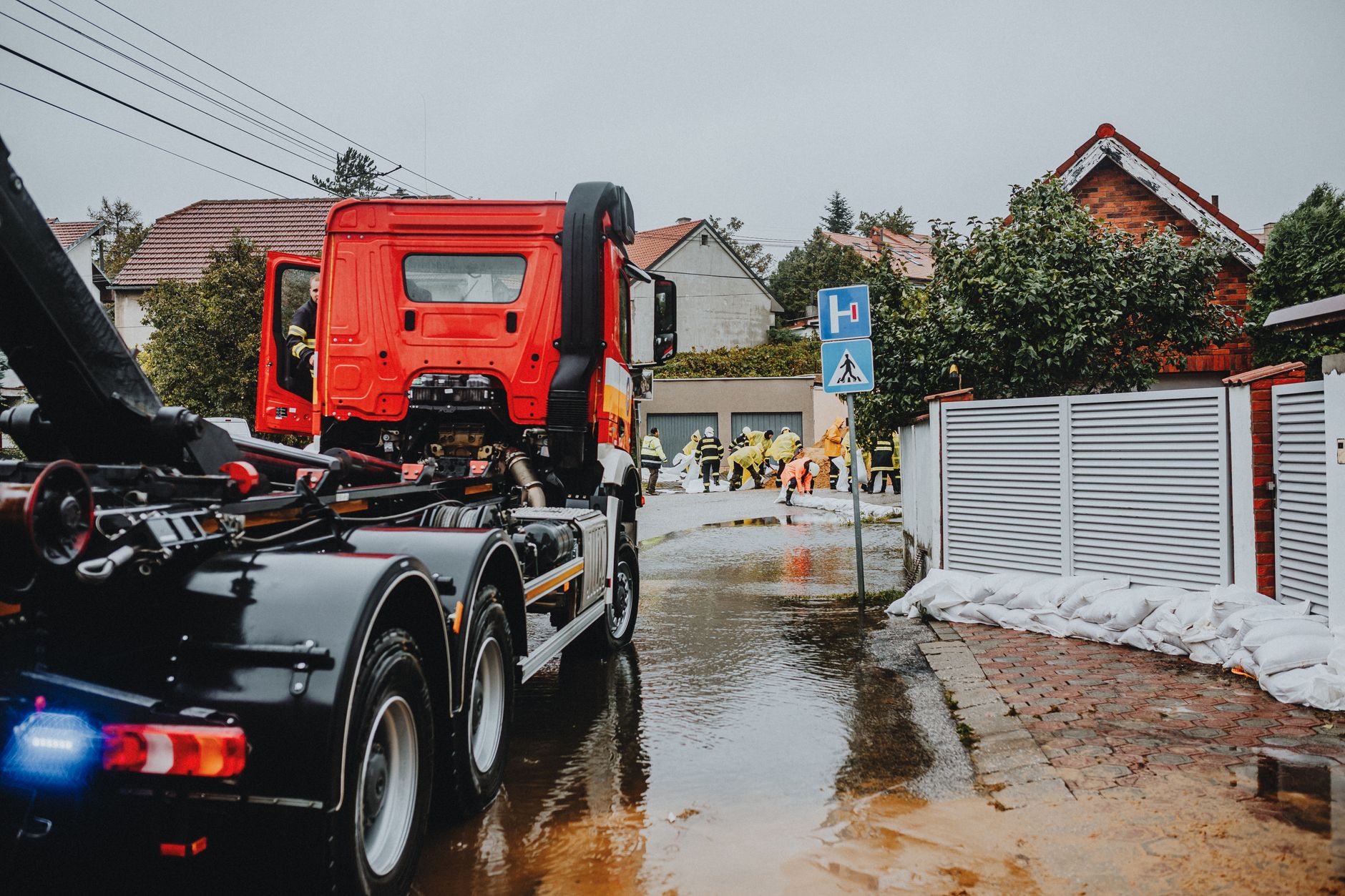
The dual focus of the delegation also includes the El Niño phenomenon, a climatic pattern that historically brings severe flooding and drought to coastal and northern regions of Peru. By linking security and disaster response, the government argues for a unified emergency framework. However, the passage of the bill in the lower house does not finalize the law. The proposal must now be sent to the Senate, where it will undergo further review and potential amendment. The effectiveness of the measure will depend on how quickly the executive can utilize these powers and whether the Senate maintains the scope of the delegation as approved by the Deputies.
The political significance of the vote reflects a broader tension in Peruvian governance: the desire for immediate results in the face of institutional weakness versus the constitutional principle of legislative oversight. While the data on rising homicides and extortion provides a factual basis for the urgency, the transfer of legislative authority to the executive for a quarter of a year remains a powerful tool that could set a precedent for future emergency responses. For now, the focus shifts to the Senate, where the final shape of this 90-day window for executive action will be determined.
