
The death of the laboratory worker has spurred speculation regarding the circumstances of her infection. While Russian authorities maintain that the situation is under control and poses no threat to the wider population, the World Health Organization (WHO) has engaged directly with Russian officials to understand the events leading up to the death. Specifically, the WHO inquired about the cause of the worker’s pneumonia and the rationale behind the public health measures subsequently implemented by the Russian state. This diplomatic engagement highlights the international concern over laboratory-acquired infections and the transparency of national health responses.
The case has also attracted commentary from former public health leadership in the United States. A former director of the Centers for Disease Control and Prevention (CDC) has raised questions about the nature of the pathogen involved. There is a possibility, according to this perspective, that the plague strain in question may have been manipulated as part of bioweapons research. This view contrasts with the official Russian position, which frames the incident as a tragic but contained laboratory accident without broader public health implications. The divergence in interpretation underscores the complexities of assessing biological threats when national security and public health interests intersect.

The geopolitical dimension of the incident has further elevated its profile. US President Donald Trump stated he has a call scheduled with Russian President Vladimir Putin to discuss the reported plague case in the Siberian lab worker. This high-level diplomatic communication indicates that the incident is being treated as a matter of bilateral importance, potentially linking public health concerns with broader international relations. The involvement of heads of state suggests that the verification of the cause of death and the safety of the laboratory practices in question are not merely technical issues but points of diplomatic discussion.
From a medical and public health standpoint, the distinction between a localized laboratory incident and a potential outbreak is critical. Plague, caused by the bacterium Yersinia pestis, is a serious infectious disease that can be transmitted through fleas or respiratory droplets, depending on the form of the disease. While the risk of community transmission from a single laboratory case is generally low if appropriate containment measures are in place, the specific strain and the methods of handling the pathogen are key factors in assessing risk. The WHO’s inquiry into the worker’s pneumonia is a standard protocol for distinguishing between confirmed plague cases and other respiratory illnesses that may mimic the disease’s symptoms.
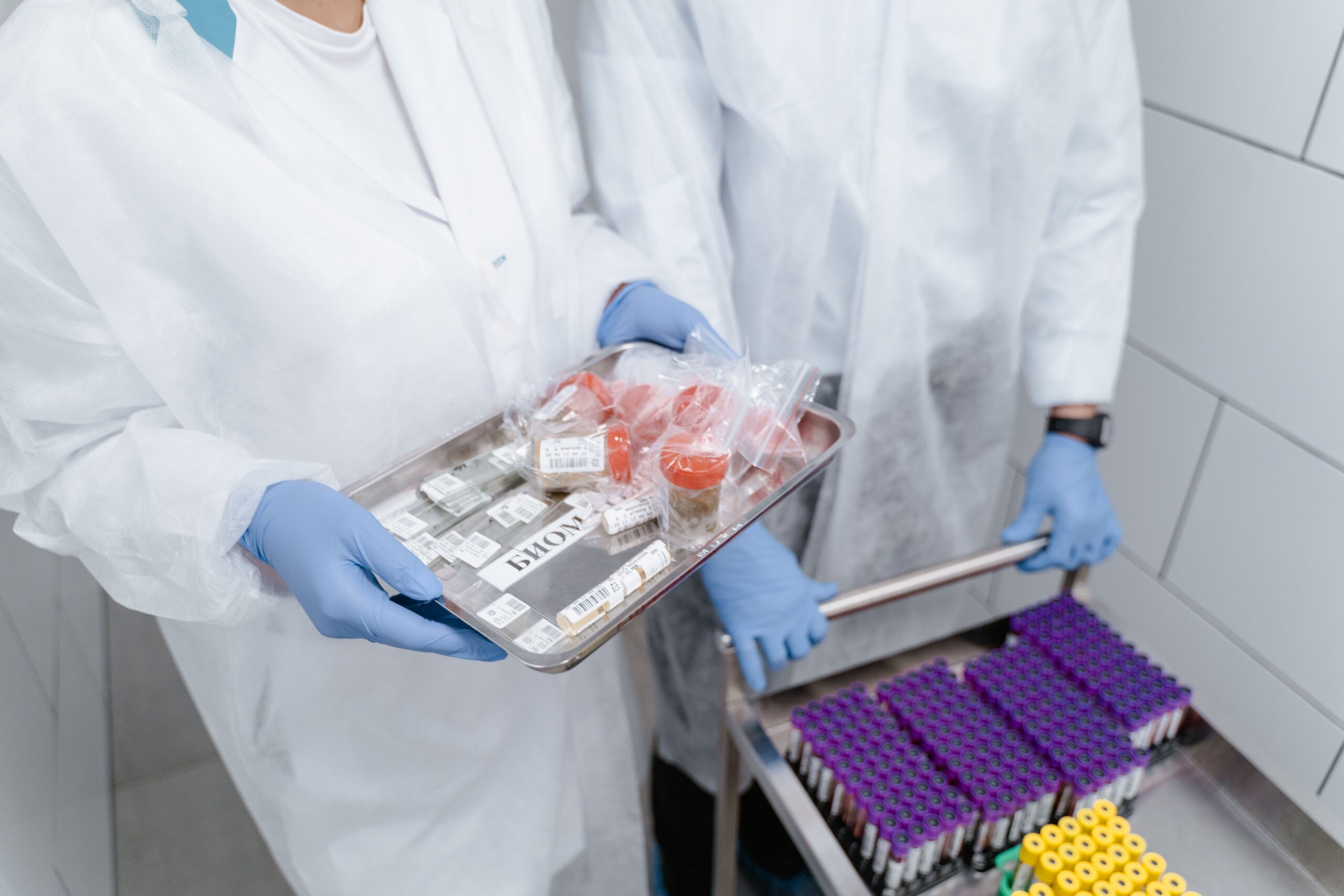
The current status of the investigation remains focused on verifying the cause of death and ensuring that all public health measures are proportionate and evidence-based. Russian officials’ claim of “no epidemic risk” relies on the assumption that the pathogen was contained and did not spread to the general population. However, without independent verification or detailed epidemiological data shared internationally, third-party assessments remain speculative. The former CDC director’s suspicion of manipulated strains introduces an element of uncertainty that complicates the standard public health response, as it raises the possibility of enhanced virulence or altered transmission dynamics.
As the investigation continues, the focus remains on the medical facts: the identity of the pathogen, the exposure route, and the effectiveness of the initial containment. The scheduled diplomatic talks may provide a venue for clarifying these technical details, potentially leading to greater transparency. For now, the incident serves as a reminder of the inherent risks associated with high-containment laboratories and the importance of international cooperation in managing emerging health threats. The resolution of the questions posed by the WHO and the international community will depend on the willingness of the host nation to share granular data on the incident, moving beyond general reassurances to specific, verifiable medical evidence.