
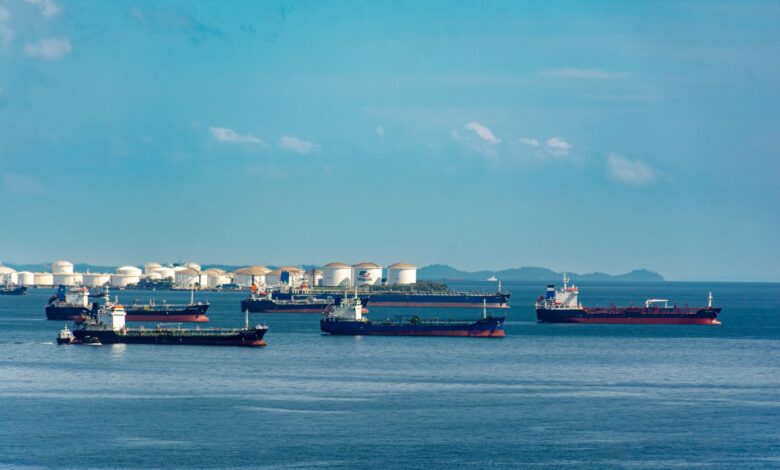
The proposed release of 120 million barrels represents a significant addition to global supply, intended to stabilize prices and ensure adequate availability for consumers outside the United States. By coordinating with European partners, Washington seeks to address the supply gap created by the removal of U.S. export volumes from global trade flows.
The U.S. is one of the world’s largest producers and exporters of refined petroleum products, including diesel. A ban on exports effectively restricts the flow of these fuels to international markets, potentially tightening global supply balances. The administration’s approach involves leveraging allied stockpiles to compensate for the lost export capacity, aiming to prevent a sharp increase in global diesel prices or supply shortages in dependent markets.
Strategic petroleum reserves in Europe are held to ensure energy security during times of supply disruption. The request to draw down 120 million barrels suggests that policymakers anticipate a meaningful impact on global supply chains from the U.S. export ban. The six-month timeline for the release aligns with the period during which global traders and consumers must adjust to the new supply reality.
The coordination between the U.S. and the European Union highlights the interconnected nature of global energy markets. While the U.S. is shutting its export tap, the EU is being asked to open its reserve taps to maintain equilibrium. This mechanism relies on the ability of European nations to release stored diesel into the commercial market at a pace that matches the loss of U.S. exports.
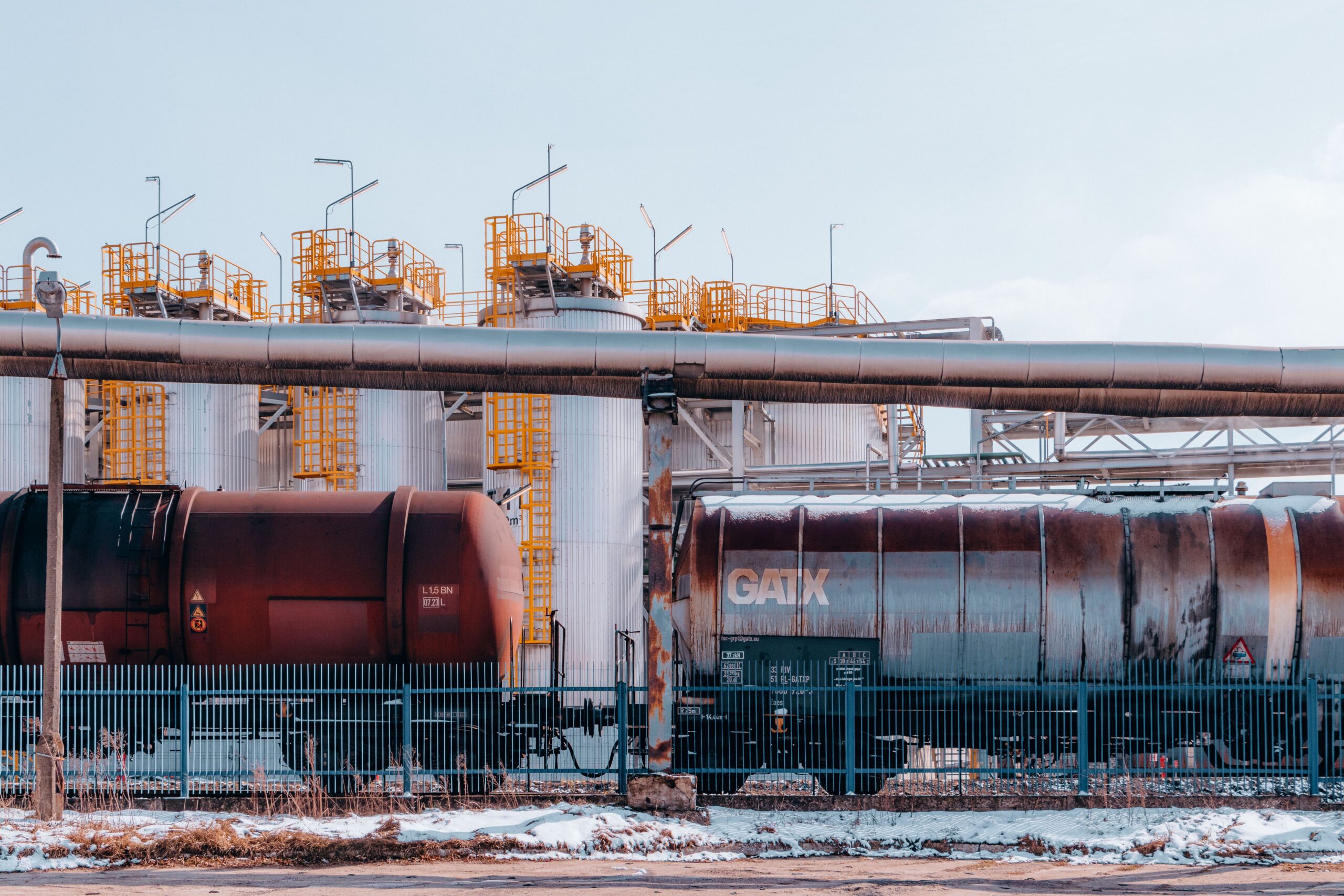
The decision to ban diesel exports is part of broader energy policy considerations within the United States. The immediate effect is a reduction in the global supply of fuel, which can lead to higher prices for importers. The proposed release of 120 million barrels is a direct response to this reduction, aiming to neutralize the price impact and maintain supply stability for international buyers.
Market participants are closely monitoring the implementation of this request. The success of the measure depends on the willingness and ability of European Union member states to release the requested volume within the specified timeframe. If the release proceeds as requested, it should help offset the tightness in the global diesel market caused by the U.S. export ban.
The next step in this process involves the operational execution of the stockpile release by European agencies. The timing and logistics of the 120 million barrel drawdown will be critical in determining how effectively global supply balances are restored. Traders and energy security officials will watch for official announcements from EU authorities regarding the specific mechanisms and schedules for the release.