
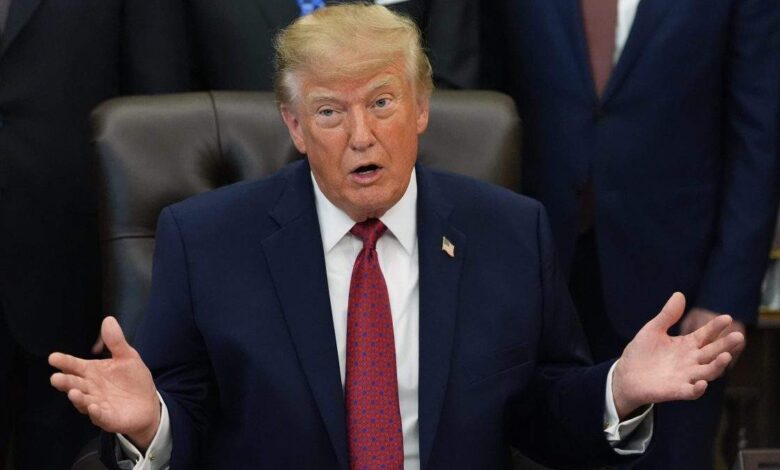
U.S. President Donald Trump indicated that Washington may formally request European nations to draw down their stored diesel stocks. The threat of a targeted export ban represents a significant shift in U.S. energy trade policy, moving from market-driven exports to conditional supply arrangements. By linking export access to the release of foreign reserves, the administration aims to address domestic price volatility and ensure adequate fuel availability within the United States. This approach places immediate diplomatic and commercial weight on European energy authorities, who must now assess the feasibility of releasing reserves without compromising their own energy security.
The immediate effect of these developments is a heightened sense of uncertainty across European energy markets. Skyrocketing diesel prices have already begun to impact transportation, logistics, and industrial sectors in Europe. The prospect of restricted U.S. exports, coupled with the demand for reserve releases, raises alarms regarding supply continuity. European economies, which rely heavily on imported refined petroleum products, face the dual challenge of managing domestic stockpiles while maintaining access to external supply routes. Market participants are closely monitoring the situation, with fears that any formal implementation of an export ban could further tighten global diesel supplies and exacerbate price pressures.
Strategic petroleum reserves serve as a critical buffer against supply shocks and price spikes for member states. Germany and France, among other European nations, maintain substantial stockpiles of refined fuels designed to ensure energy security during periods of crisis. The U.S. request for these nations to release additional diesel implies that domestic U.S. reserves may be insufficient to meet current demand or that market prices have reached a level deemed unsustainable by Washington. The decision to invoke a potential export ban suggests that diplomatic channels alone have not yet resolved the pricing concerns, prompting the consideration of more aggressive trade instruments to stabilize the market.
The interplay between U.S. and European energy policies highlights the interconnected nature of global fuel markets. Diesel, a key input for road transport and agriculture, is a commodity with inelastic short-term demand, meaning price spikes can have disproportionate economic impacts. As Washington weighs its options, European leaders are expected to engage in rapid consultations to determine an appropriate response. The outcome will depend on the willingness of European nations to coordinate a reserve release and the ultimate decision by U.S. authorities to enforce or abandon the export restriction. Until a definitive policy statement is issued, the market remains exposed to the risk of sudden supply adjustments that could disrupt established trade flows.
Next steps in this development will likely involve high-level diplomatic communications between U.S. and European energy officials. A formal decision on the export ban, or a clarified framework for reserve releases, is anticipated in the coming days. Market analysts will closely watch for any official announcements from the U.S. Department of Energy or the European Commission, as these communications will provide clarity on the scope and timing of any potential supply interventions. The resolution of this dispute is critical for maintaining stability in the global refined products market and preventing further escalation in energy costs for consumers and businesses on both sides of the Atlantic.