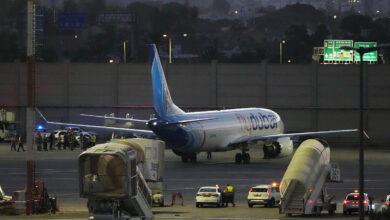
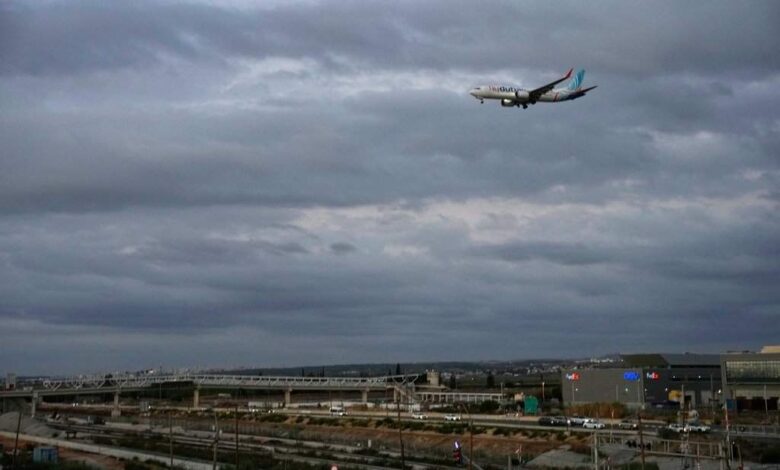
The incident, which involved a physical altercation in the flight deck, has become the subject of intense international scrutiny. Authorities confirmed that the co-pilot, identified as Smit Machchhar, used a crash axe to strike the captain. The objective of the attack was to incapacitate the commanding officer and assume command of the aircraft. This act of aggression represents a significant breach of aviation security protocols, prompting a rapid response from both the crew and passengers on board.
Investigative findings have surfaced details regarding the suspect’s background that raise serious security concerns. Machchhar had previously been barred from flying for the UAE’s national airline due to flagged concerns about his extremist views. This prior exclusion from the national carrier suggests that regulatory or security vetting processes had already identified potential risks associated with the individual’s ideology, a factor that is likely to be central to the ongoing legal and security review of the incident.
The resolution of the crisis in the air relied heavily on the coordinated efforts of the cabin crew and passengers. According to accounts from those present, a violent clash erupted between the hijacker and a group of heroic Israeli passengers who intervened to protect the cabin. The passengers’ actions were instrumental in subduing the threat. However, the situation remained volatile as the cabin crew engaged in a physical struggle with the passengers over the fate of the restrained co-pilot. The crew reportedly demanded that the tied-up suspect be released, a decision that complicated the immediate aftermath of the attack and required careful negotiation to ensure the safety of all individuals on board before the aircraft could land safely.
The UAE government has responded to the incident with a combination of legal action and high-level political engagement. Khaldoon Al Mubarak, the UAE’s Deputy Prime Minister and Minister of Finance, met with the pilot involved in the incident. During this meeting, Al Mubarak acknowledged the severity of the situation and the actions taken by the personnel on board. The deputy prime minister’s involvement underscores the state’s direct oversight of the matter, treating it not merely as a criminal case but as a national security issue with broader implications for aviation safety in the region.
The classification of the event as a “terrorist act” by the prosecutor general shifts the legal and strategic framework of the investigation. It moves the incident beyond a standard criminal assault or workplace dispute into the realm of counter-terrorism. This designation implies that the motivation for the attack was ideologically driven, aligning with the previously noted concerns regarding the co-pilot’s extremist views. The UAE’s legal system will likely apply specific statutes related to terrorism and aviation security in prosecuting the suspect, potentially carrying more severe penalties than those for standard assault or hijacking charges.
The incident has also highlighted the critical role of civilian passengers in modern aviation security. In an era where cockpit doors are reinforced and security screens are rigorous, the human element remains the last line of defense against in-flight disruptions. The courage displayed by the passengers in confronting the armed co-pilot was commended by officials, serving as a reminder of the shared responsibility between security forces, airline staff, and travelers in maintaining the safety of the airspace.

As the legal proceedings move forward, attention will turn to the systemic failures that allowed an individual with known extremist concerns and a history of being barred from other UAE carriers to eventually operate a commercial flight. Aviation authorities in the UAE and internationally are expected to review vetting procedures and inter-airline information sharing to prevent similar incidents. The case serves as a stark reminder of the persistent threats to civil aviation from individuals driven by radical ideologies, necessitating a robust and adaptive security posture from airlines and national security agencies alike.
The investigation remains ongoing, with authorities focusing on the precise sequence of events leading up to the attack and the broader network of the suspect’s activities. The UAE’s decisive response, combined with the coordinated action of the crew and passengers, resulted in the safe landing of the aircraft and the neutralization of the immediate threat. The outcome reinforces the resilience of aviation security measures while highlighting the ongoing challenges posed by human factors and ideological extremism in the global air transport system.