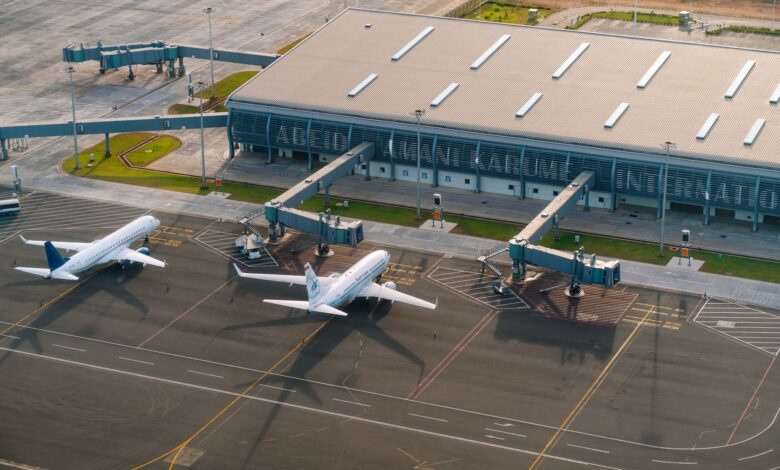
Mekelle, the administrative and economic heart of the Tigray region, has been a flashpoint in the conflict that has gripped Ethiopia for over two years. The airport itself is more than a logistical hub; it serves as a critical artery for the movement of personnel, supplies, and humanitarian aid. Its control dictates the flow of information and the physical capacity for either side to project power within the region. By retaking the facility, the federal government asserts a tighter grip on the region’s infrastructure, potentially limiting the operational range of the Tigrayan forces while enhancing its own ability to deploy resources.
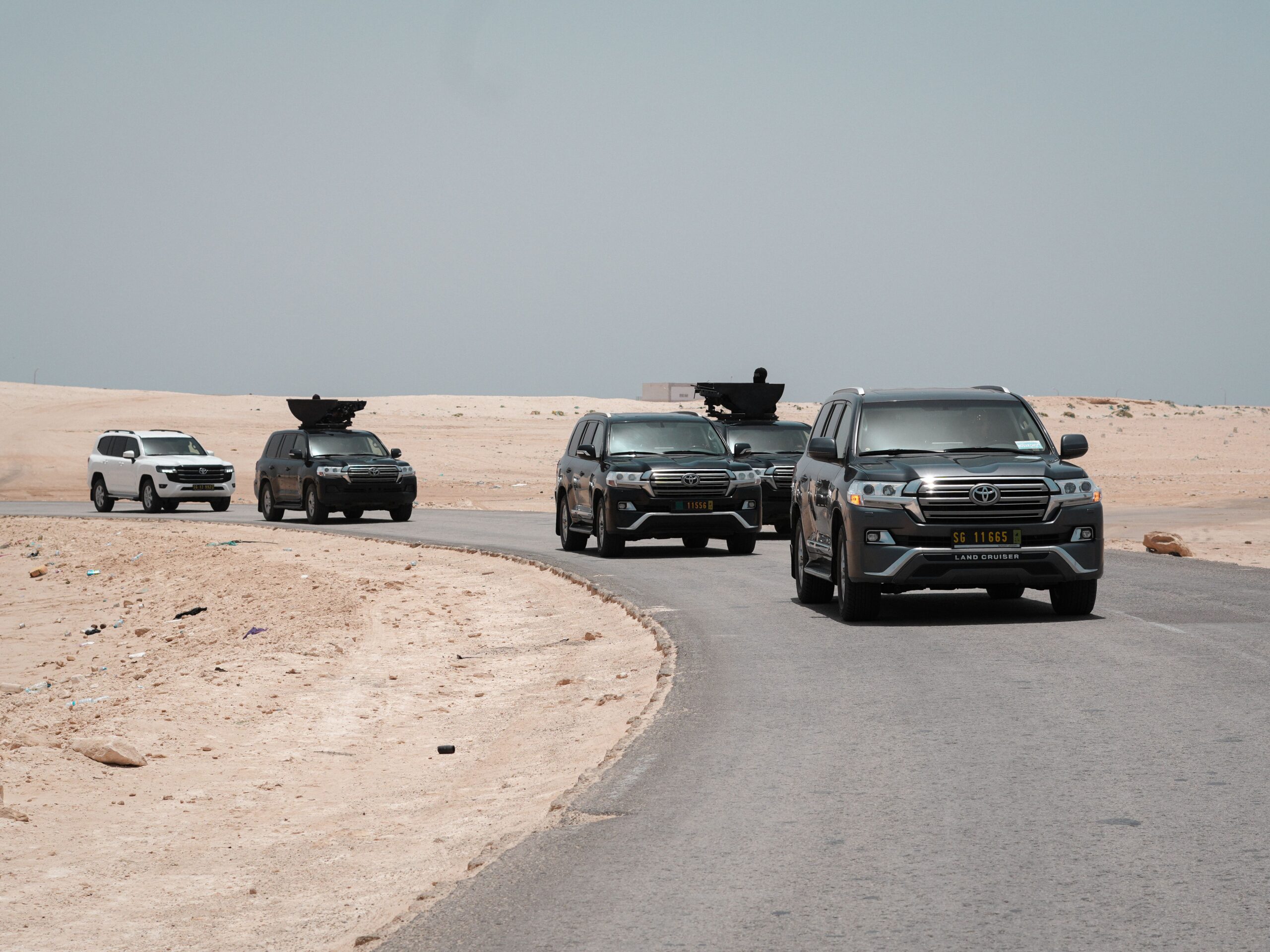
The involvement of local sources in confirming the rebels’ departure adds a layer of immediate, on-the-ground verification to the military claims. While official communications from the front lines often focus on tactical victories, the visual evidence of combatants leaving the capital suggests a broader strategic adjustment by the Tigrayan side. This withdrawal from the airport and potentially other urban centers may reflect a shift in tactical priorities, moving from holding territory to preserving forces, or it may indicate the result of sustained pressure from government advances.
The geopolitical implications of this development extend beyond the immediate battlefield. Ethiopia’s northern conflict has drawn international attention due to its severity and the complex ethnic and political dynamics at play. The Tigray People’s Liberation Front (TPLF), which dominated Ethiopian politics for decades before losing power, remains a formidable political and military actor. The recapture of Mekelle’s airport could be interpreted as a step toward restoring federal control over the region, a long-stated objective of the Addis Ababa government. Conversely, for the Tigrayan side, the loss of such a prominent landmark in their regional capital underscores the high cost of the ongoing stalemate.
Economic and humanitarian pressures compound the military realities. The airport’s status directly impacts the delivery of aid to a population that has faced severe shortages of food, medicine, and basic services. If the government maintains control of the airfield, it may facilitate a more regulated flow of humanitarian assistance, potentially easing the crisis for civilians in and around Mekelle. However, the conflict’s resolution remains elusive, and the reclamation of a single, albeit vital, site does not instantly end the hostilities or the deep-seated political tensions that fueled the war.
Analysts note that the control of Mekelle is a definitive indicator of the conflict’s trajectory. The city has changed hands or seen intense fighting at various points, but a consolidated government hold, particularly over key infrastructure like the airport, signals a shift in momentum. The rebels’ observed departure suggests they are ceding ground, at least temporarily, to regroup. This tactical retreat could allow them to concentrate forces elsewhere or prepare for a defensive posture, but it leaves the federal government with the initiative in the northern theater.
The international community watches these developments closely, as the stability of Ethiopia, Africa’s second-most populous nation, has repercussions for regional security and migration patterns. The conflict has already displaced millions and strained diplomatic relations. A decisive military shift, such as the retaking of Mekelle’s airport, may influence negotiations or, alternatively, harden positions if it is perceived as a victory that reduces the urgency for compromise. The pressure on all sides to de-escalate remains high, yet the reality on the ground continues to be shaped by military operations.
For now, the focus remains on the streets and infrastructure of Mekelle. The sight of rebels leaving the capital, accompanied by the government’s announcement of the airport’s recapture, paints a picture of a city under renewed federal control. The immediate consequence is the stabilization of a key node in the region’s logistics network. However, the broader conflict is far from resolved. The movement of forces and the control of territory are fluid, and the next phase of the conflict will depend on how both sides leverage this new military reality. The airport, now back in government hands, stands as a testament to the shifting tides of this complex and devastating conflict.