
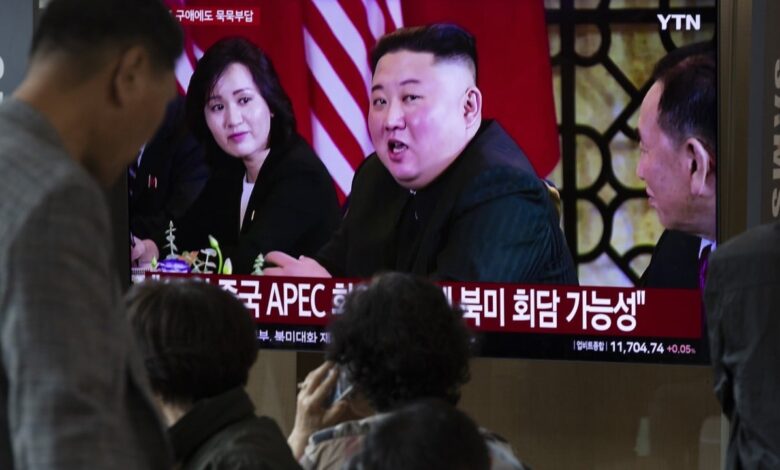
Kim Yo-jong, the sister of North Korean leader Kim Jong-un and a key figure in the country’s political hierarchy, released the statement. She confirmed that her brother personally supervised the test, a detail often highlighted in Pyongyang communications to underscore the strategic priority and high-level oversight given to the programme. Kim Yo-jong described the missile as “strategic,” a designation that typically implies the system is capable of delivering nuclear warheads, although no independent verification of the payload or specific nuclear readiness of this particular airframe has been provided.
The claim of “manoeuvrable flight capabilities” suggests the missile is not a simple ballistic vehicle following a predictable parabolic arc, but rather equipped with a manoeuvrable re-entry vehicle or active guidance systems that can alter its trajectory during the terminal phase of flight. Such technology is intended to increase the complexity for interceptor batteries, such as the THAAD (Terminal High Altitude Area Defense) system operated by the United States and South Korea, and the Aegis Ashore or SM-3 interceptor systems used by Japan. By altering its flight path at high velocity, the warhead can potentially place itself outside the engagement envelope of standard interceptors, thereby increasing the probability of penetration against integrated air and missile defence networks.
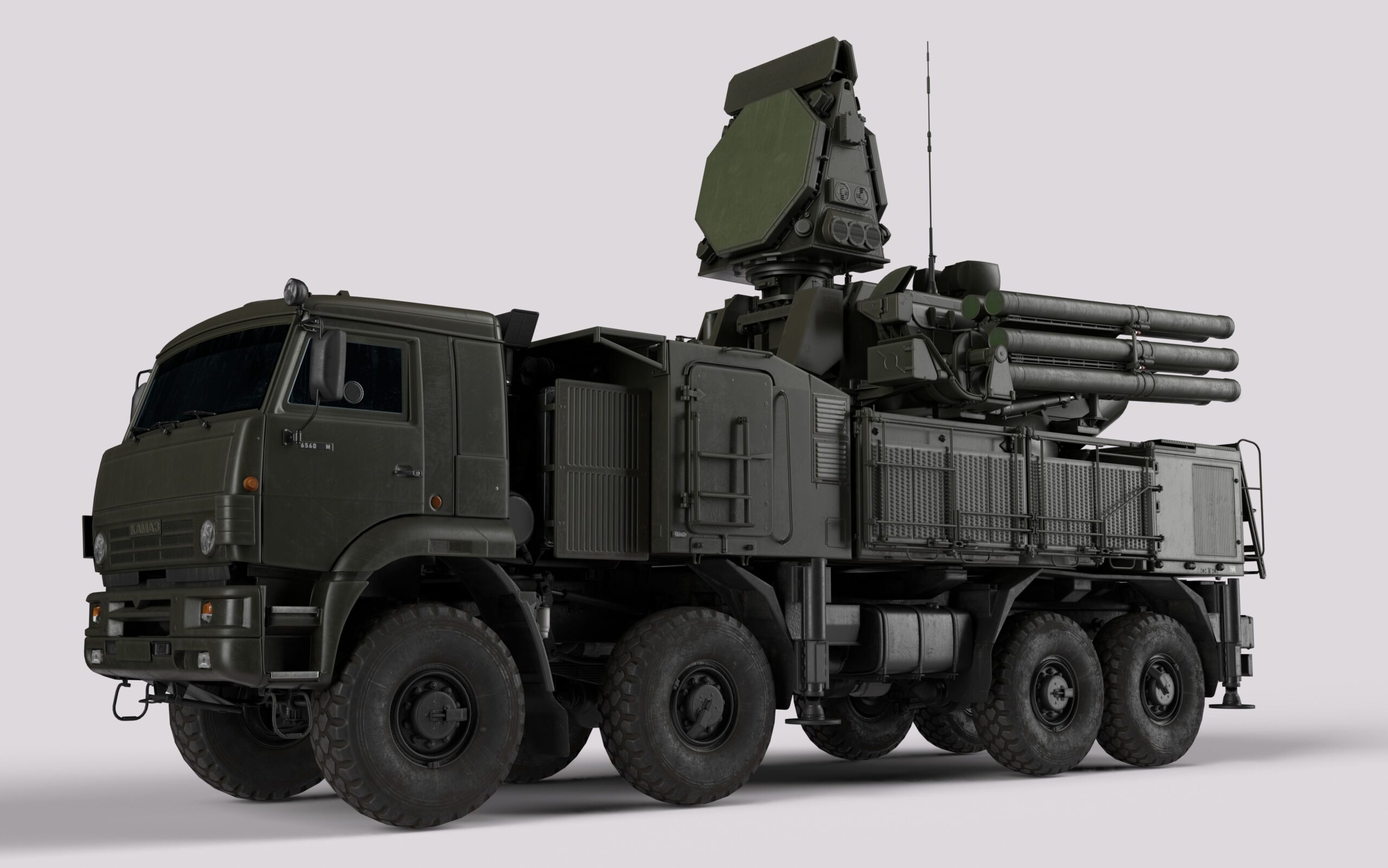
Intermediate-range ballistic missiles, defined by the Treaty on Intermediate-Range Nuclear Forces as those with a range between 500 and 5,500 kilometres, are capable of reaching targets across the Korean Peninsula, including the entire territory of South Korea and substantial portions of Japan. While the specific range of the missile tested on Saturday was not detailed in the initial announcement, the classification as “intermediate-range” places it within the category that poses the most direct and immediate threat to US and allied military bases in the region. The precision and speed of such systems leave limited time for detection, tracking, and engagement by defensive assets.
This test comes at a time of renewed instability on the peninsula. Recent border landmine blasts have exacerbated tensions, leading to a suspension of some military agreements and a return to a more adversarial posture. The timing of the missile test suggests a deliberate signal of military capability and resolve, potentially aimed at reinforcing deterrence strategies and demonstrating technological progress in overcoming allied defensive measures. For South Korea and Japan, the announcement raises urgent questions about the effectiveness of current interceptors against advanced, manoeuvring warheads and may prompt further analysis of defensive gaps.
International observers note that while North Korea has frequently claimed breakthroughs in missile technology, independent assessment of the actual operational performance and reliability of these systems remains difficult due to the lack of transparency and access to test data. However, the consistent progression in North Korea’s missile program, including recent tests of hypersonic glide vehicles and intercontinental ballistic missiles, indicates a sustained effort to develop a robust nuclear deterrent. The specific focus on manoeuvrability in this latest test highlights an evolution in design philosophy, shifting from sheer range and payload weight to survivability and penetration capability.
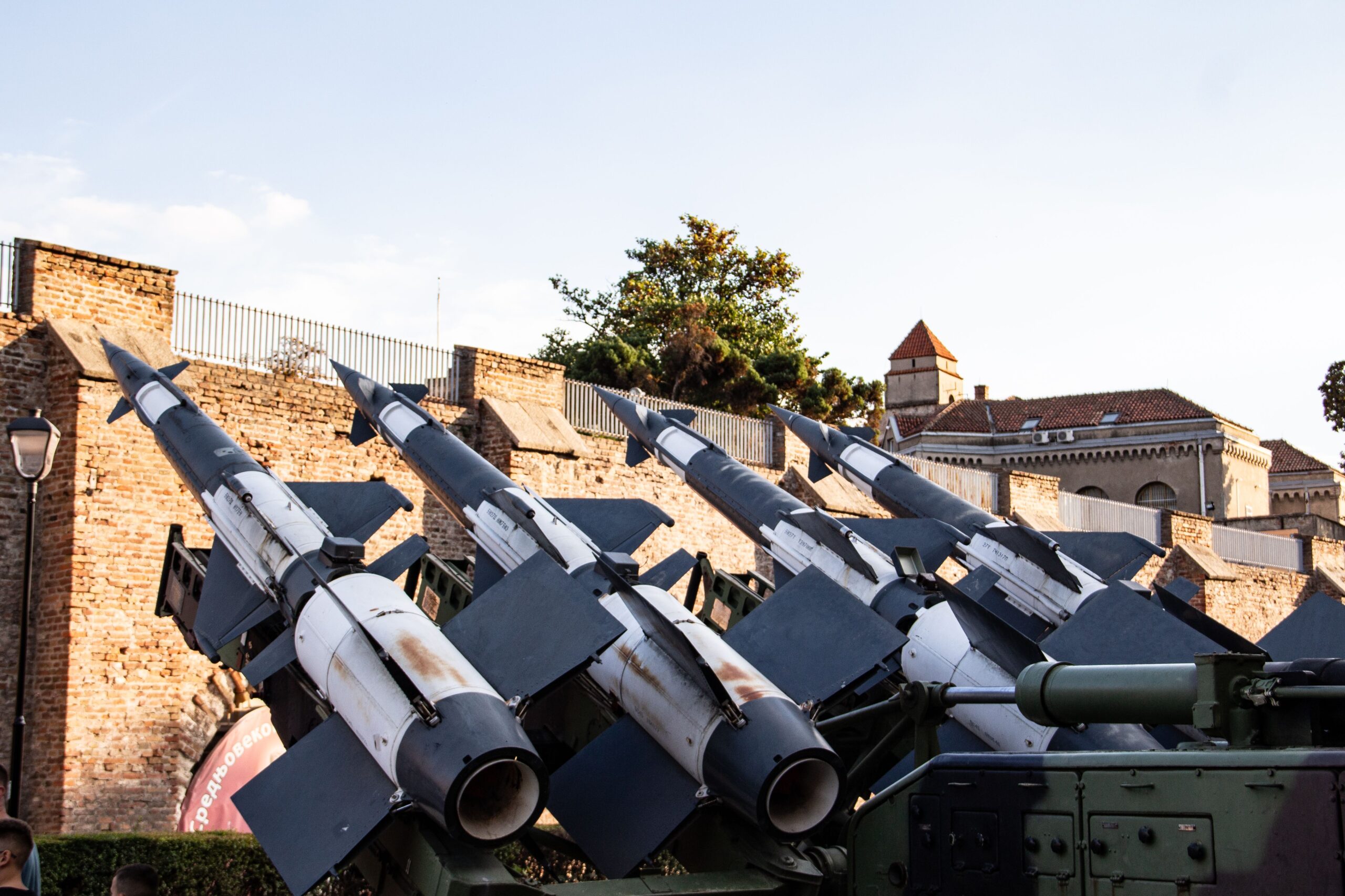
The strategic implications extend beyond the immediate military exchange. The test underscores the persistent challenge faced by the US-led security architecture in the Indo-Pacific region, where integrated air and missile defence systems are a cornerstone of deterrence. As North Korea refines its offensive capabilities, the need for technological upgrades in defensive systems becomes more pronounced. The incident is likely to be a focal point in upcoming security consultations between Washington, Seoul, and Tokyo, where the evaluation of threat vectors and the coordination of response strategies will be central discussions.
No immediate military retaliation or further escalation was reported following the announcement. The focus now turns to intelligence analysis to determine the exact specifications of the missile, including its range, accuracy, and the specific nature of its manoeuvrable mechanisms. The coming days may see further diplomatic exchanges or, conversely, additional provocative acts if the current trajectory of tensions continues to intensify.