
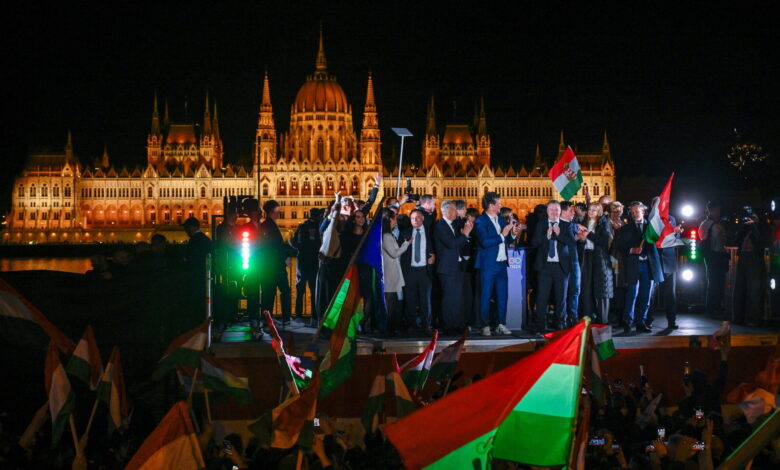
The electoral defeat marked a dramatic reversal for Orbán’s Fidesz–KDNP alliance, which fell to 53 mandates. This result is four fewer than the united opposition secured in the 2022 election, underscoring a significant erosion of the governing coalition’s base. Orbán stated, “The election result is painful for us, but clear.” In contrast, Magyar, whose surname translates to “Hungarian,” addressed supporters with a message of national unity, declaring, “Tonight, truth prevailed over lies.”
The Collapse of the Rural Stronghold
A critical factor in the outcome was the Tisza Party’s ability to break through what analysts describe as a political “echo chamber” maintained by state-aligned media. For years, government-aligned polling institutes consistently predicted a Fidesz victory, creating a perception of invincibility that was contradicted by independent data showing Tisza ahead by wide margins. This distortion was particularly evident in rural areas, where Fidesz had maintained dominance since 2014, often winning with over 60% of the vote.
The final count revealed the extent of this shift. Tisza flipped three symbolic Fidesz strongholds that had been safe seats for the government. One such district, Tolna 02 (Dombóvár), was won by Tisza candidate Gábor Szijjártó with 46.58% of the vote, defeating incumbent Krisztina Csibi. The area, characterized by a high proportion of pensioners and economic dependence on the state, had previously seen a by-election in January 2025 with a turnout of just 32.8%. In the April 12 election, turnout in the same district surged to 76%, reflecting a broader national mobilization.
Analysts attribute this shift to Magyar’s campaign strategy, which focused on sustained presence in rural communities and emphasized the tangible impact of economic stagnation and rising cost-of-living. Unlike previous opposition efforts that avoided lower-stakes by-elections, the final results suggest that after 16 years, Fidesz’s grip on the rural electorate has been decisively weakened.
Institutional Consequences and Geopolitical Ramifications
The two-thirds majority is more significant than the victory itself, as it provides the legal means to enact what critics have termed “de-Fideszization.” Magyar has already called for the resignation of the Fidesz-loyalist President and heads of key institutions, including the Constitutional Court, the media authority, and the Prosecutor General. These positions were filled with loyalists during the Orbán era, and their removal is seen as necessary for the restitution of liberal democratic norms.
The election result carries immediate global implications. Orbán was the European leader closest to Russian President Vladimir Putin and had consistently blocked European Union aid to Ukraine. His ouster removes a major obstacle to European support for Kyiv. The defeat also resonated with U.S. conservatives, as Donald Trump had embraced Orbán as an icon of anti-immigrant politics and dispatched Vice President JD Vance to Budapest to support the incumbent’s reelection bid.
Political scientists note that the result challenges the narrative that incumbents with significant control over state media and the judiciary are untouchable. “Oppositions can win despite a tilted playing field,” said Steven Levitsky, a politics professor at Harvard. The high voter turnout, approaching 80%, suggests a deep-seated desire among Hungarians for a return to European integration and democratic accountability, marking a pivotal moment for the country’s future trajectory.