According to the Iranian plan, these concessions include lifting the US naval blockade, waiving sanctions, releasing an estimated $12 billion in frozen Iranian assets, and enforcing a wider regional ceasefire that includes Lebanon. Under this framework, broader peace discussions, including those concerning Iran’s nuclear program, would only commence after the strait has been reopened. While US President Donald Trump was reported to have rejected the initial offer, Araghchi maintained that he has not yet received a formal response from Washington. Qatari mediators held a further meeting with Iranian officials on Tuesday to discuss facilitation of Iran’s conditions, with the mediators expected to relay a final US response to Tehran by Wednesday.
The diplomatic efforts face an immediate challenge as the US Treasury Department is expected to announce new economic measures on Monday. Treasury Secretary Scott Bessent is scheduled to unveil these actions after the US vowed to impose an “unprecedented” level of economic warfare and isolation on Iran, a country that has lived under sanctions for decades. This move follows US Vice President JD Vance’s characterization of the conflict as entering a “new phase” of economic pressure. Iranian authorities have dismissed these threats, with the new head of Iran’s Supreme National Security Council, Mohsen Rezaei, warning that Tehran will view any country’s support for new US economic measures against the Islamic Republic as an “act of war.”
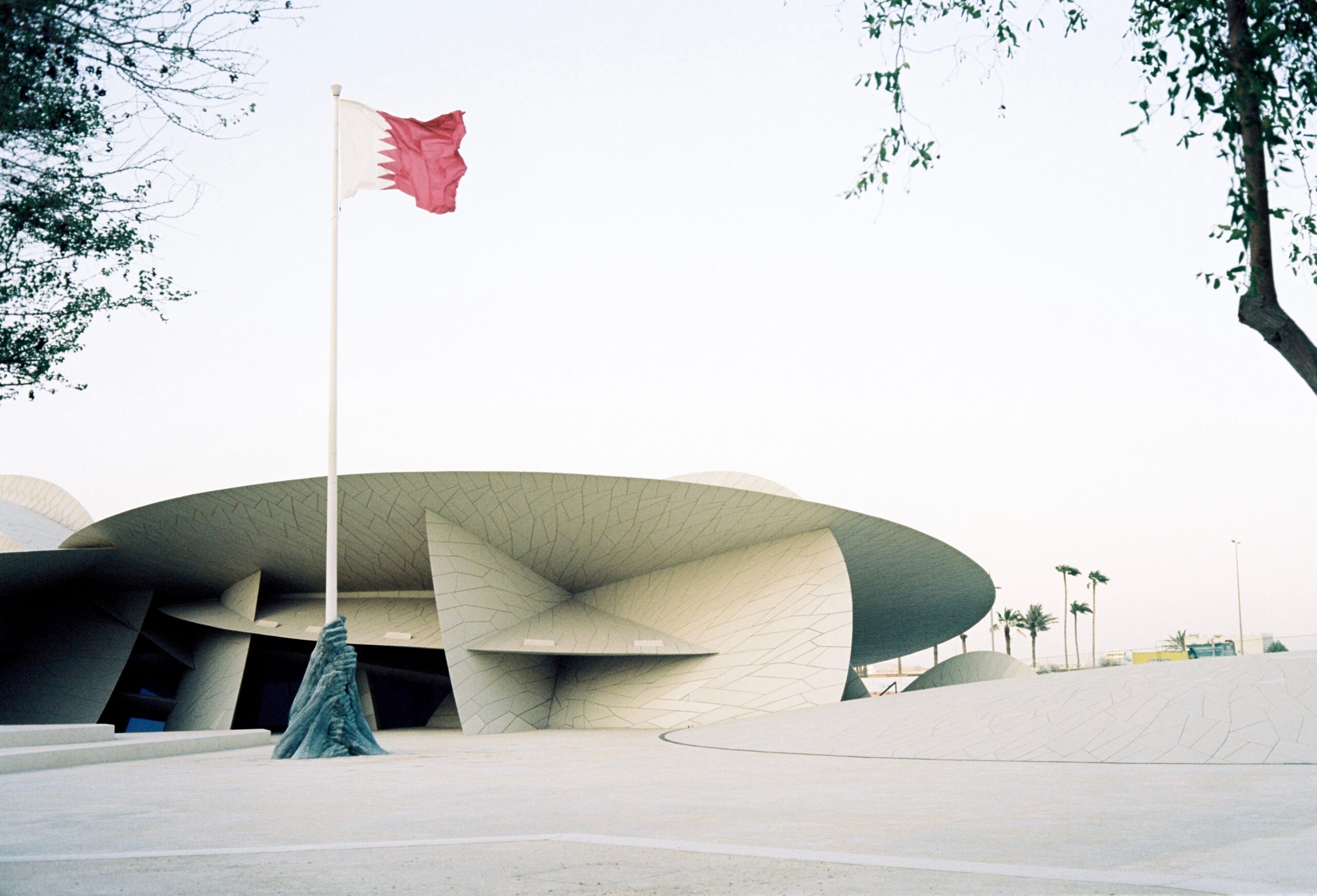
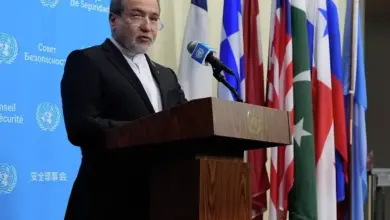
US and Iranian positions on the path to a settlement remain fundamentally opposed. US officials indicate a preference for a comprehensive agreement that resolves all outstanding issues, particularly Tehran’s nuclear program, in a single package. In contrast, Iran advocates for a gradual, step-by-step approach, prioritizing the immediate reopening of the Strait of Hormuz and the release of frozen assets before engaging in broader nuclear negotiations. Araghchi emphasized during his New York visit that Iran’s conditions are “entirely fair and logical” and that there has been no change in the country’s positions. He dismissed media speculation regarding Iranian flexibility, stating that the only current issue is the Strait of Hormuz and that any decision will be made in Tehran based on the formal response received from the US through intermediators.
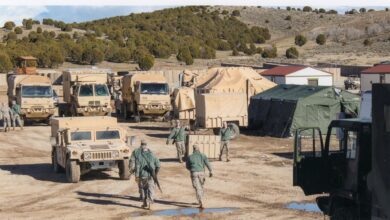
On the ground, military posturing continues despite a temporary calming of attacks in the Strait of Hormuz. A recently created Iranian authority has listed dozens of vessels it says will face restrictions on future transits. Meanwhile, regional mediation efforts remain active, with Pakistan’s army chief expected to visit Iran on Monday as mediators attempt to revive dialogue. Both sides remain interested in a diplomatic settlement, but the divergence over the sequencing of sanctions relief and nuclear restrictions remains the primary obstacle to a resolution.

The next critical juncture is the delivery of the United States’ formal response to Iran’s seven-point plan via Qatari intermediaries, which Tehran expects to receive by tomorrow. A decision on how to proceed with the negotiations will then be made in Tehran based on that response.