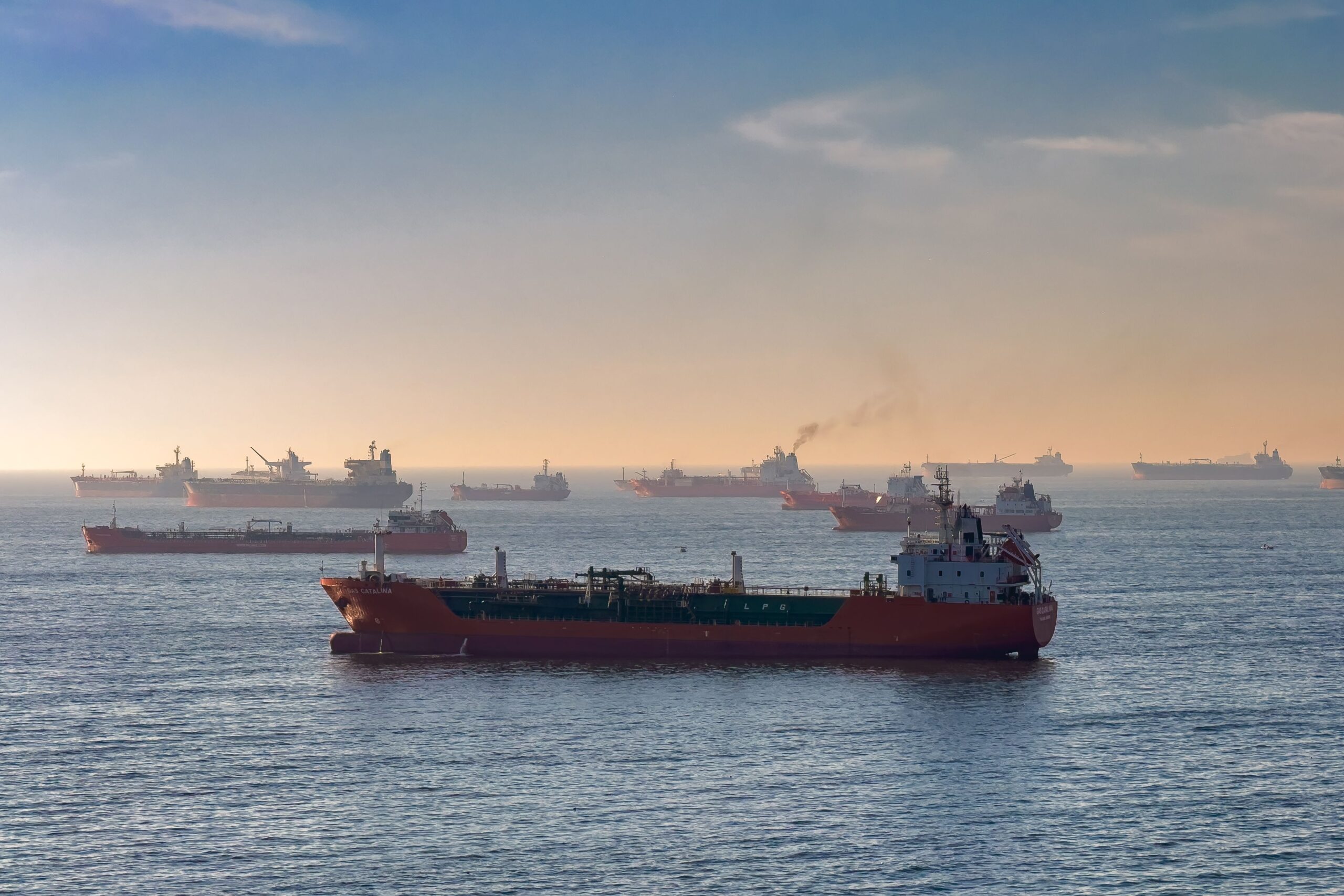
The central issue driving these efforts is the closure of the Strait of Hormuz, a critical global waterway whose status has been locked in a standoff between Washington and Tehran. Officials confirm that mediators are actively working with both nations to forge a deal that would end the fighting and reopen the strait. According to these officials, indirect talks mediated by Qatar are scheduled to resume on Monday, providing a fresh window for negotiation after a period of stalled progress.
The diplomatic landscape, however, is complicated by a sharp public disconnect between the two sides. President Donald Trump stated over the weekend that he had rejected Tehran’s latest proposal. The Iranian offer, as described by the U.S. president, involved reopening the strait in exchange for the lifting of a U.S. maritime blockade and the fulfillment of other unspecified conditions. This public rebuff creates a tense atmosphere for the upcoming sessions, raising questions about whether the fundamental sticking points have been resolved or if the mediation process is intended to bridge a widening gap in official positions.
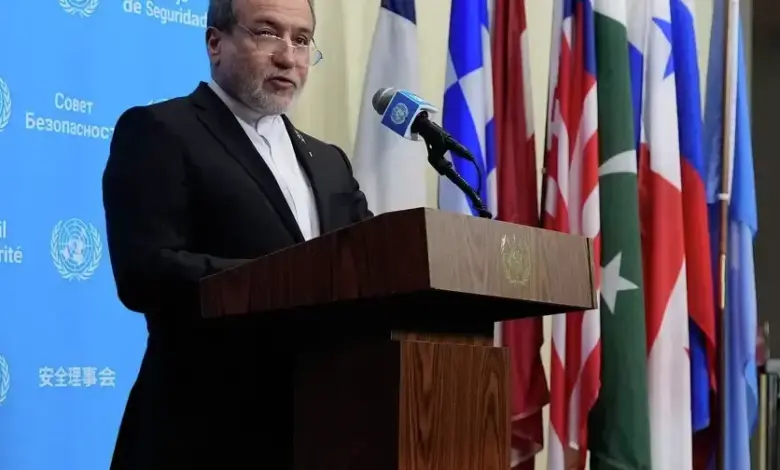
Yet, the public rejection does not appear to have severed the diplomatic channel. Officials clarify that the United States has not formally rejected the proposal through official diplomatic channels. This distinction is critical in international relations, where public statements by heads of state and official diplomatic notes often serve different functions. The fact that Araghchi remains in the U.S. suggests that back-channel communications are continuing, allowing for the nuance and flexibility that formal declarations of rejection might preclude.
The significance of the Strait of Hormuz cannot be overstated in this context. As one of the world’s most vital chokepoints for oil and gas transportation, its closure has had profound economic repercussions globally. The conflict, now in its eighth month, has shifted from a regional military engagement to a geopolitical crisis with far-reaching implications for global energy markets and supply chains. The involvement of Qatar as a mediator reflects the broader regional dynamics, with Gulf states often seeking to stabilize the region to protect their own economic interests and security.
For Iran, the goal of lifting the U.S. blockade is a matter of strategic survival and economic necessity. The blockade, imposed as part of the broader conflict, has severely constrained Iran’s ability to export its primary revenue source. By linking the reopening of the strait to the lifting of the blockade, Tehran is attempting to create a reciprocal framework for de-escalation. The U.S. position, as articulated by President Trump, suggests a reluctance to accept terms that may be viewed as concessions without guaranteed security assurances or structural changes in Iran’s foreign policy behavior.
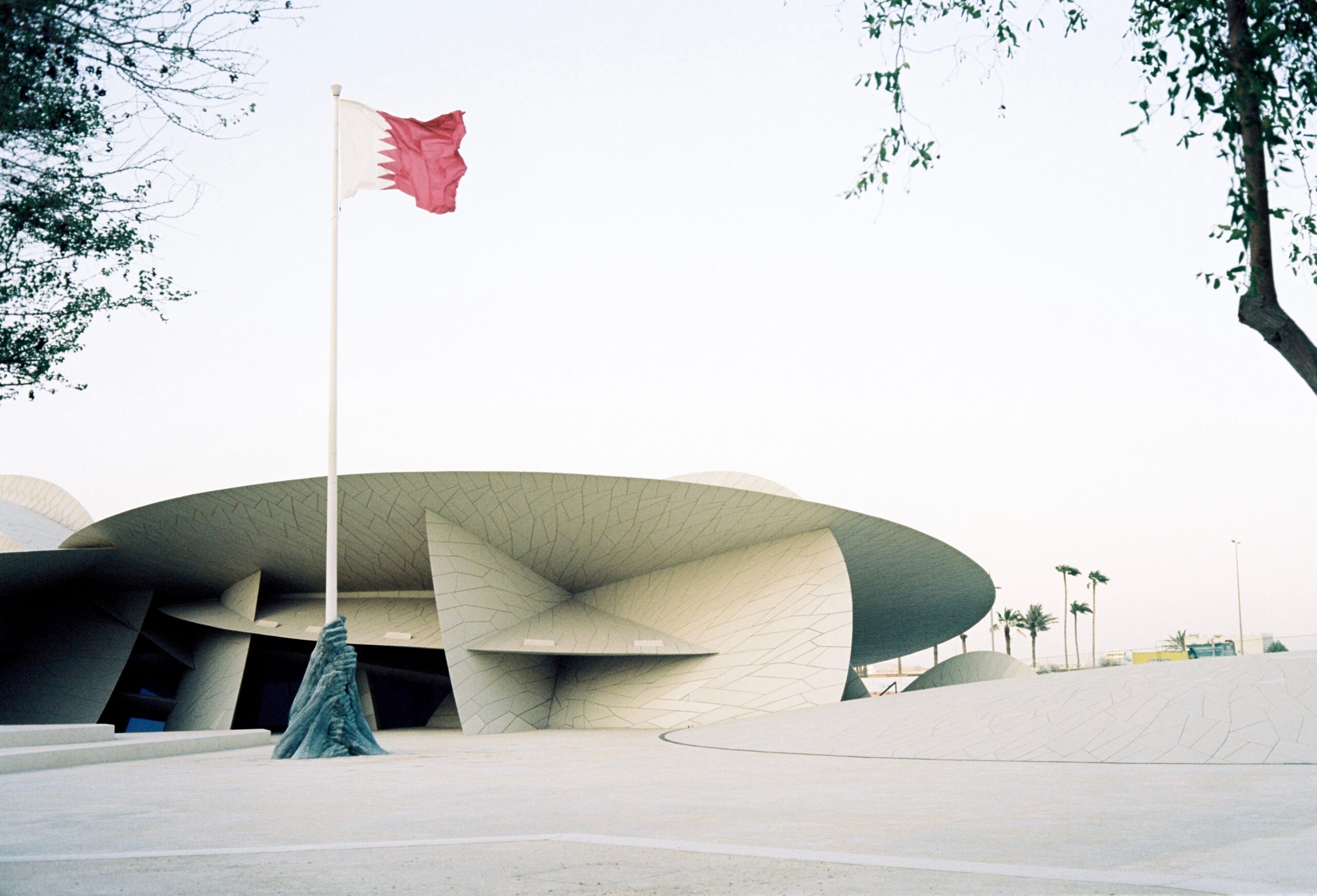
The upcoming resumption of talks in Qatar offers a potential turning point. If the indirect negotiations succeed, they could lead to a phased de-escalation, first by reopening the strait and then by negotiating the broader terms of a peace agreement. However, the history of previous diplomatic attempts in this region suggests that trust is a scarce commodity. Both sides carry the weight of past broken commitments, making verification and enforcement mechanisms central to any potential deal.
As Araghchi waits in the U.S., the world watches the Monday talks with cautious hope. The outcome of these sessions will determine whether the eighth month of war marks a transition toward peace or a continuation of a stalemate that has already altered the geopolitical landscape of the Middle East. The next few days will be critical in determining if the diplomatic corridor remains open despite the public impasse, or if the rejection of the latest proposal signals a harder line for the remainder of the conflict.