Swedish Foreign Minister Maria Malmer Stenergard confirmed that a Swedish citizen was executed in Iran on Wednesday. In a statement, she expressed dismay at the news, stating, “The responsibility for this rests solely with Iran.” Although the minister did not initially name the individual, Iranian state media and the judiciary’s Mizan news agency later identified the executed man as Kurosh Keyvani. The identification aligns with the description of the victim as an Iranian-Swedish national, though official Iranian communications did not explicitly confirm his dual citizenship.
The legal proceedings surrounding Keyvani’s death sentence have been the subject of intense diplomatic friction. Stenergard stated that Sweden had repeatedly raised the case with Iranian representatives, emphasizing the expectation of a fair trial and due legal process. “It is clear to us that the legal process that led to the Swedish citizen being executed has not been fair,” she wrote. The Swedish government characterized the death penalty as “an inhumane, cruel and irreversible punishment,” condemning its application in all circumstances, a stance shared by the broader European Union.

According to Iranian judicial authorities, Keyvani was found guilty of providing the Israeli spy agency, Mossad, with pictures and information about sensitive locations within Iran. State media reported that he was recruited in Sweden in 2023 by a Mossad agent. His death sentence was upheld by Iran’s Supreme Court, leading to his execution on Wednesday morning. The man was originally arrested in June 2025, a timeline that suggests a relatively rapid progression from detention to capital punishment, a pattern observed in other cases involving alleged espionage against Israel.
The execution occurred during the third week of ongoing conflict between the U.S., Israel, and Iran, a period marked by heightened tensions and a long-standing record of human rights violations under the Iranian regime. The timing has drawn attention to the broader context of Iran’s judicial practices, particularly regarding foreign nationals. Iran has a history of detaining Western citizens, including Dr. Ahmadreza Djalali, an Iranian-Swedish academic imprisoned since 2016 and sentenced to death on similar spying charges, and Johan Floderus, an EU official who was released in 2024 as part of a diplomatic deal.
Diplomatic efforts to intervene in Keyvani’s case appear to have faltered in the final hours. Stenergard stated that she was made aware that the execution was imminent late Tuesday and attempted to contact her Iranian counterpart, but the efforts were unsuccessful. In response to the execution, she summoned the Iranian ambassador in Stockholm, signaling a significant deterioration in bilateral relations. The Swedish government reaffirmed its commitment to continuing to condemn serious human rights violations in Iran.
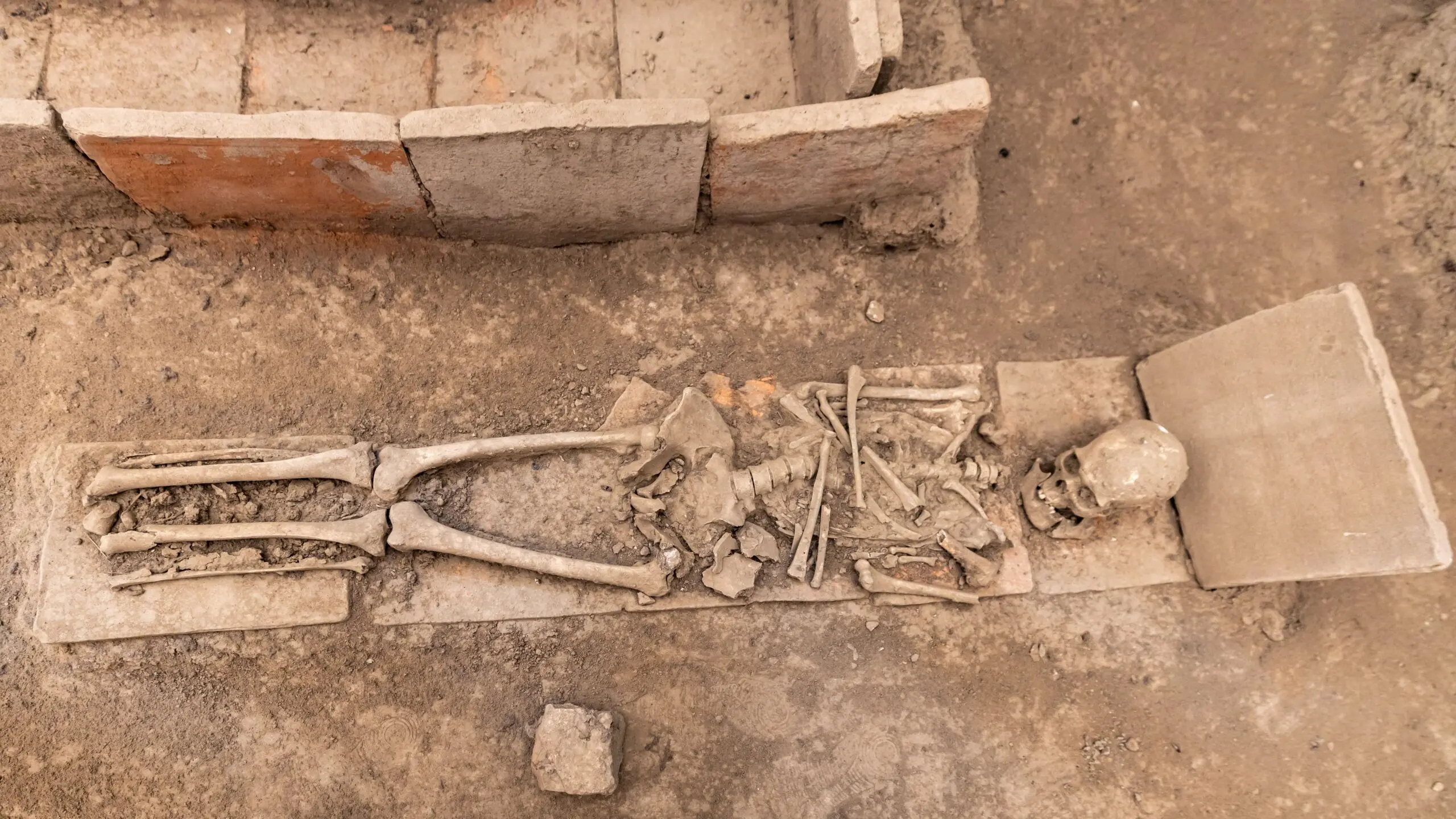
The secret burial in Khavaran presents a distinct legal and humanitarian challenge. Unlike previous high-profile cases where bodies were returned to families or embassies, the clandestine disposal of remains in a mass grave site limits avenues for verification and closure for the deceased’s family. This practice complicates any potential future diplomatic negotiations regarding the remains and raises questions about transparency within the Iranian judicial system. The case of Keyvani highlights the intersection of geopolitical conflict, espionage allegations, and the diminishing due process protections afforded to foreign nationals in Iran’s capital punishment cases.
As of now, no further legal steps or appeals appear to be available following the Supreme Court’s upholding of the sentence. The focus has shifted to the diplomatic fallout and the humanitarian implications of the secret burial. The Swedish government’s condemnation serves as a formal record of its position, while the Iranian judiciary maintains that the execution was a lawful response to espionage activities that threatened national security. The discrepancy between the Swedish assessment of an “unfair” trial and the Iranian assertion of a legitimate judicial process remains unresolved, leaving the case as a prominent example of the diverging legal standards and political realities that define current international legal disputes.