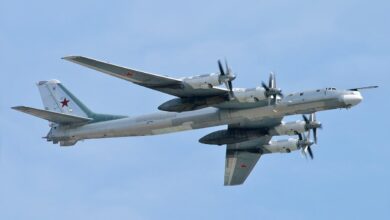
Treasury Secretary Scott Bessent stated that the ministry would not tolerate support for the Iranian regime and would continue to isolate those facilitating its arms procurement. The targeted entities include Seyed Asghar Alizadeh Tabatabai, a representative of Iran’s Ministry of Defense and Armed Forces Logistics Agency based in Beijing, who was accused of coordinating the purchase of dual-use components. Also targeted is the Russian aircraft manufacturer JSC Experimental Design Bureau named after A.S. Yakovlev, and MG-Flot, a Russian shipping company whose vessels were identified as transporting weapons for the Russian Ministry of Defense.
The sanctions follow the launch of “Operation Economic Exile” in August, which expanded secondary sanctions against those cooperating with Tehran. Earlier in the day, US President Donald Trump denied media reports that he had offered to lift sanctions and freeze assets in exchange for concessions on Iran’s nuclear program. Iran has proposed opening the Strait of Hormuz and resuming nuclear talks within a week, provided the US lifts the naval blockade, cancels oil sales sanctions, and restores a regional ceasefire.
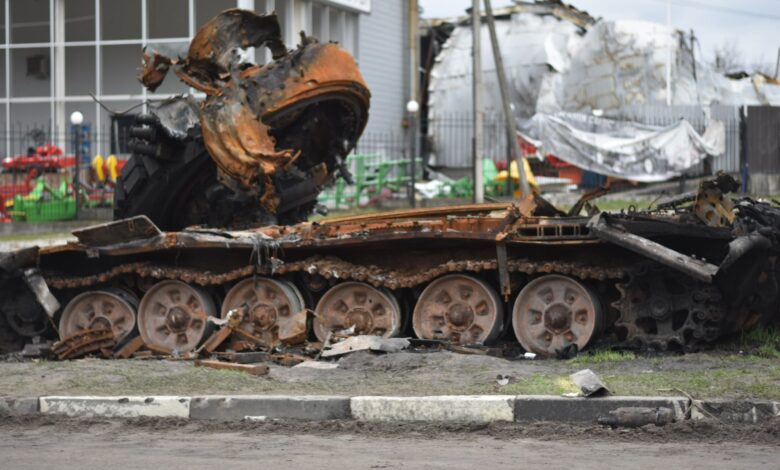
In Ukraine, Russian forces continued a sustained campaign of airstrikes, hitting multiple cities with missiles and glide bombs. In Kharkiv, late Tuesday evening strikes on the Saltivskyi and Kyivskyi districts injured a child and damaged private housing and vehicles, according to the city’s mayor. In the city of Sumy, regional military administration head Oleksandr Grygorov reported two deaths and nine injuries, including three children, following attacks with guided aerial bombs (KABs). The victims were identified as a 70-year-old woman and a 74-year-old man killed in a residential area. A separate strike hit the Central City Cemetery, damaging graves and a nearby church.
Grygorov noted that Russia has delivered over 150 strikes on the city of Sumy since the beginning of the year, describing glide bombs as one of the most severe threats to border regions. He stated that the attacks have damaged dozens of residential buildings, educational facilities, and other civilian infrastructure. The strikes represent a continuation of a broader Russian strategy targeting Ukrainian logistical and economic capabilities.
This economic pressure on Ukraine’s infrastructure has taken a significant toll on the country’s industrial base. Ukraine’s remaining steelworks, a vital component of its economy, have largely ceased operations due to relentless missile attacks. The combined effect of US sanctions on Russia’s defense supply chains and the destruction of Ukrainian industrial assets underscores the escalating economic dimensions of the conflict.